
Pests and Diseases
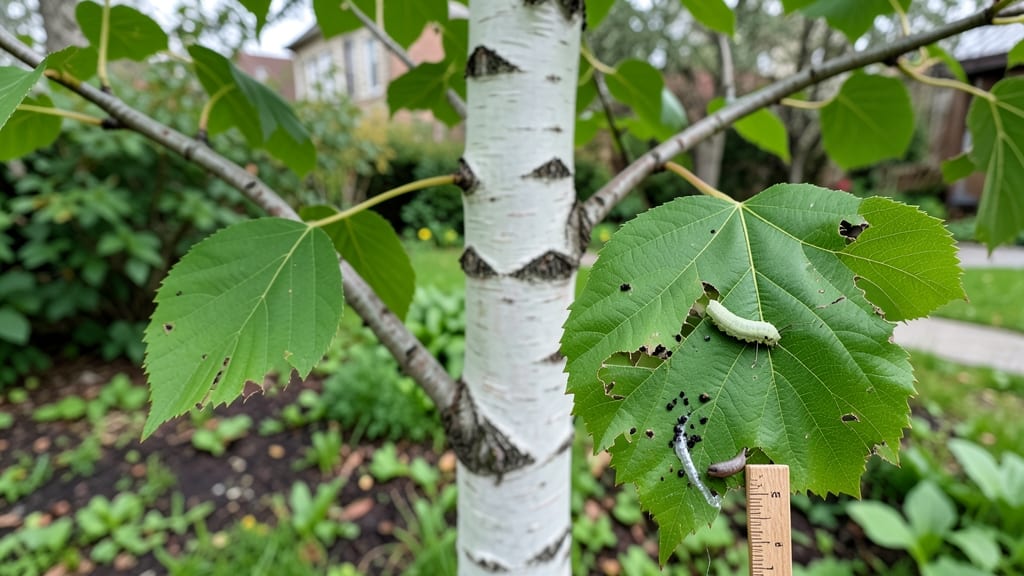
If your tree leaves are being eaten, the culprits are likely caterpillars, Japanese beetles, or deer, each leaving distinct damage patterns. Check for jagged edges, skeletonized leaves, or notched leaf tips to pinpoint the pest before treating with neem oil or barriers.
Caterpillars and beetles are the most common leaf munchers, but deer and rabbits can also strip branches bare overnight. 🌿 The key is acting fast—some pests, like Japanese beetles, can defoliate a tree in days.
I’ve seen neem oil work wonders on beetles, while physical barriers (like fencing) are the best defense against larger animals. Always examine the damage closely: caterpillars leave silky webbing, while deer create clean, ragged edges.
For organic control, mix neem oil with water and spray at dusk, or apply Bacillus thuringiensis for caterpillars. Chemical options like systemic insecticides require caution—test a small area first. Pruning damaged leaves also helps reduce pest attraction. The faster you act, the better your tree’s chances of recovery!
💡 In This Article
- Identifying Tree Leaf Pests by Damage Patterns
- Organic and Chemical Solutions for Tree Leaf Damage
Identifying tree leaf pests by damage patterns
Japanese beetles leave unmistakable damage: they chew between leaf veins, creating a "skeletonized" appearance where only the veins remain. These beetles, about half an inch long with coppery wings, target over 300 plant species and often appear in summer.
Look for small, black, tar-like frass (insect droppings) scattered on leaves—this is your first clue.
Caterpillars, like gypsy moths or tent caterpillars, create ragged edges with irregular holes. Their feeding leaves behind silky webbing or egg masses on branches, especially in spring. Unlike beetles, caterpillars often feed at night, so you might miss them during the day.
The damage is usually uneven, with larger leaves showing more severe destruction than smaller ones.
Deer and rabbits leave clean, notched or clipped edges, often starting at the top of the tree and working downward. These animals prefer tender young leaves and shoots, creating a stair-step pattern along branches.
Look for droppings (pellets for rabbits, larger piles for deer) near the base of the tree—this confirms their presence.
Scale insects and aphids cause different symptoms: sticky honeydew residue on leaves and black sooty mold growth underneath. These pests cluster on stems and undersides of leaves, sucking sap rather than chewing. A magnifying glass helps spot their tiny, armored bodies or waxy shells.
For accurate identification, examine the leaf undersides and new growth first—this is where many pests hide or lay eggs. Take photos of the damage at different angles, including close-ups of frass or webbing.
Some pests, like the emerald ash borer, create D-shaped exit holes in bark, not just leaf damage.
Timing matters too: Japanese beetles peak in July-August, while gypsy moth caterpillars are most active in May-June. Deer browsing is worst in spring and fall when food is scarce. Knowing when damage occurs helps narrow down the culprit before treatment.
Pro tip: Collect a few damaged leaves in a clear plastic bag with some soil. Check for pests inside over 24 hours