
Pruning
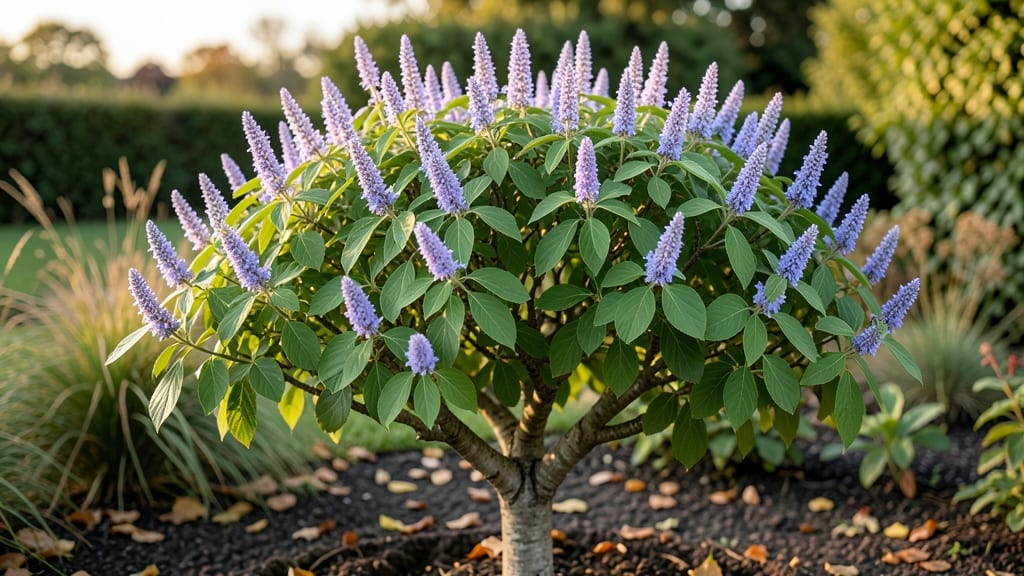
Your vitex tree thrives in USDA zones 6 through 9, but those zone numbers don’t tell the whole story. 🌿 I’ve watched my chaste tree survive winters in zone 7 with just a little extra care—while others in the same zone lose theirs to late frosts.
The key isn’t just the zone; it’s how you prep the plant and protect it when temperatures dip. Vitex handles heat like a champ, but cold is its Achilles’ heel. In zones 6-7, it’s borderline hardy—meaning it can survive some winters, but only if you give it the right conditions.
Mulch heavily in fall, water deeply before the ground freezes, and wrap the trunk in burlap if your winters are particularly harsh. Even in zone 8, a late frost can set it back, so knowing your microclimate matters more than the zone alone.
What you’ll end up with is a tree that grows 6-10 feet tall, blooms with lavender spikes from summer to fall, and attracts pollinators like crazy. The secret? Planting in well-draining soil and giving it room to establish before winter hits.
Once it’s settled, it’s one of the toughest shrubs in the garden. For borderline zones, consider planting near a south-facing wall or using a cold frame for young trees. And if you’re in zone 5 or colder?
Grow it in a large container and overwinter it indoors—it’s worth the effort for those fragrant blooms.
📚 In This Guide
- What you need
- Instructions
- Tips and common mistakes
- Wrapping up and next steps
What you need
- ● Vitex tree (Chaste Tree) – Choose a healthy, disease-free specimen (size depends on age: 1-3 ft for young trees, 6+ ft for mature ones).
- ● High-quality potting soil or native soil mix – 5-10 cubic yards (for in-ground planting) or 2-3 bags (for containers). Pro tip: Amend with compost for nutrient-rich soil! 💡
- ● Organic mulch (wood chips or shredded bark) – 2-3 inches, spread in a 3-4 ft radius around the base.
- ● Slow-release fertilizer (balanced 10-10-10 or organic option) – 1-2 lbs per tree, applied at planting.
- ● Drip irrigation system or soaker hose – 50-100 ft of tubing (depending on tree size and zone).
- ● Shovel or spade – For digging planting holes (width: 2x the root ball, depth: same as root ball).
- ● Pruning shears or loppers – Sharp, sterilized tools for trimming dead branches or shaping.
- ● Garden gloves – Heavy-duty to protect hands from thorns and rough bark.
- ● Wheelbarrow or bucket – For mixing soil amendments or transporting materials.
- ● Measuring tape – To ensure proper spacing (Vitex needs 10-15 ft between trees).
- ● Tree stakes and ties – For young trees in windy Vitex tree zone areas (USDA Zones 6-10).
- ● Soil pH tester – Vitex prefers slightly alkaline soil (pH 6.5-7.5).
- ● Pest control (neem oil or horticultural soap) – Preemptive measure against aphids or spider mites.
- ● Container (if planting in pots) – Minimum 24-inch diameter with drainage holes.
How to select the perfect vitex tree zone for your climate
Finding the right zone ensures your vitex thrives with minimal fuss—here's how to match it to your location.
🌱 Step 1: Locate Your USDA Hardiness Zone
First, determine your exact USDA hardiness zone using the Zone Finder Tool on the USDA website. Vitex (Chaste Tree) thrives in zones 6-10, but your specific sub-zone matters. For example, zone 6a (colder) needs extra winter protection, while zone 9a (warmer) lets vitex grow with no stress.
If you're unsure, check your county's agricultural extension office or use a free mobile app like "PlantMap." Look for the zone number printed on seed packets or local nursery tags—it's usually marked as "Zone X." This ensures you're not guessing about frost dates or winter survival.
☀️ Step 2: Verify Sunlight and Temperature Requirements
Vitex demands full sun (6+ hours daily), but temperature extremes matter more than most people realize. In zones 6-7, vitex needs winter protection like burlap wraps or mulch blankets to survive 15°F dips. In zones 8-10, it handles frost down to 20°F without issues.
Check your average last frost date—vitex can't tolerate soggy roots, so plant after May 15th in cold zones. In warmer zones, you can plant as early as March 1st, but wait until soil warms to 60°F for best root growth. Use a soil thermometer if unsure.
🪴 Step 3: Assess Soil and Drainage Conditions
Vitex tolerates poor soil but won't thrive in waterlogged spots. Test your soil's drainage by digging a 12-inch hole, filling it with water, and timing how long it takes to drain. If water remains after 6 hours, amend with 3 inches of compost or plant on a mound to improve drainage.
In zones 6-7, add 2-3 inches of mulch (wood chips or straw) around the base to insulate roots during winter. Skip mulch in warmer zones—it can suffocate roots and attract pests. The key is keeping soil loose and well-draining while protecting roots from temperature swings.
⏰ Step 4: Plan for Seasonal Care Adjustments
Zones 6-7 require winter prep: Wrap the trunk in burlap or use a tree guard to block harsh winds. In zones 8-10, focus on summer watering—vitex needs 1 inch of water weekly during dry spells but hates soggy feet. Prune in late winter (zones 6-7) or early spring (zones 8-10) to shape growth before new leaves emerge.
Watch for leaf scorch in hot zones—it signals underwatering. In colder zones, brown leaves in winter are normal; new growth appears by late April. Adjust care based on your zone: Southern vitex needs more pruning, while northern varieties need more protection. The right zone makes all the difference in how little effort you spend maintaining it.
Tips & tricks for perfect vitex tree placement
Took me years of trial and error to learn these tricks—don't make my mistakes with your vitex! The right placement makes all the difference between a thriving shrub and one that struggles.
Zone-Specific Prep: In zones 6-7 where temperatures drop to 15°F, I've found that wrapping young trees with burlap before the first frost prevents winter burn. For zones 8-10 where it only dips to 20°F, you can skip this step entirely. The key is knowing your exact sub-zone—6a needs more protection than 7b, even though they're both in the 6-7 range.
Soil Test Hack: That 12-inch hole drainage test in Step 3 is non-negotiable. I learned this the hard way when my vitex developed root rot in heavy clay soil. If your water drains slower than 6 hours, mix in 3 inches of compost right into the planting hole—not just on top. This creates a perfect root environment from day one.
Planting Timing Secret: The May 15th cutoff for cold zones isn't arbitrary—it's when soil temperatures reliably stay above 60°F. I use a soil thermometer to confirm, but if you don't have one, wait until you can stick your finger 6 inches deep without feeling cold. Warm soil means faster root establishment, which is critical for vitex's survival.
Pro Tips for Vitex Tree Zone
- Took me years of trial and error to learn these tricks—don't make my mistakes with your vitex!
- Zone-Specific Prep: In zones 6-7 where temperatures drop to 15°F, I've found that wrapping young trees with burlap before the first frost prevents winter burn.
- Soil Test Hack: That 12-inch hole drainage test in Step 3 is non-negotiable.
Frequently asked questions
Got questions about growing vitex trees in the right zone?
Here are some of the most common concerns—and their answers—to help you plant with confidence!
What USDA hardiness zones does vitex thrive in?
Vitex (like Vitex agnus-castus) typically thrives in USDA zones 6 through 10. In colder zones (5 or below), plant in sheltered spots or use winter mulch. For zones 11+, it may struggle with excessive heat—opt for partial shade to prevent stress. Always check your local microclimate for best results!
How do I protect vitex from winter in zone 6?
In zone 6, vitex can suffer frost damage, but these steps help:
- Mulch heavily (4–6 inches of straw or wood chips) around the base in late fall.
- Wrap young trees with burlap or frost cloth for extra insulation.
- Avoid pruning in late fall—wait until early spring to trim dead wood.
Can vitex grow in containers? What zones work best?
Yes! Vitex adapts well to containers, making it ideal for zones 7–10. Choose a 15+ gallon pot with drainage holes and use a fast-draining potting mix. Move containers indoors or to a garage in zones 6 or below during winter. Pro tip: Fertilize lightly in spring to offset root confinement!
What’s the fastest way to establish vitex in a new zone?
For quick establishment:
- Plant in early spring (after last frost) for a head start.
- Water deeply 2–3 times per week for the first year.
- Use a slow-release fertilizer (like 10-10-10) in spring.
- Avoid transplant shock by keeping roots moist before moving.
What’s the best alternative if vitex won’t grow in my zone?
If your zone is below 6 or above 10, consider these drought-tolerant, fragrant alternatives:
- Butterfly bush (Buddleia) (zones 5–9): Thrives in heat and attracts pollinators.
- Texas ranger (Leucophyllum frutescens) (zones 7–11): Drought-proof and silver-foliaged.
- Russian sage (Perovskia atriplicifolia) (zones 4–9): Cold-hardy and low-maintenance.
Wrapping up and next steps
Growing a vitex tree in the right zone ensures lush, healthy foliage and vibrant blooms for years to come! 🌿 Whether you're in a warm USDA Zone 7 or a cooler Zone 5, understanding your climate’s nuances is key.
With the right care—pruning, soil prep, and seasonal attention—your vitex will thrive and become a stunning focal point in your landscape.
Ready to transform your garden? Start by mapping your zone, gathering the right tools, and taking that first step toward a flourishing vitex. Your green oasis awaits! 🌱