
Lawn
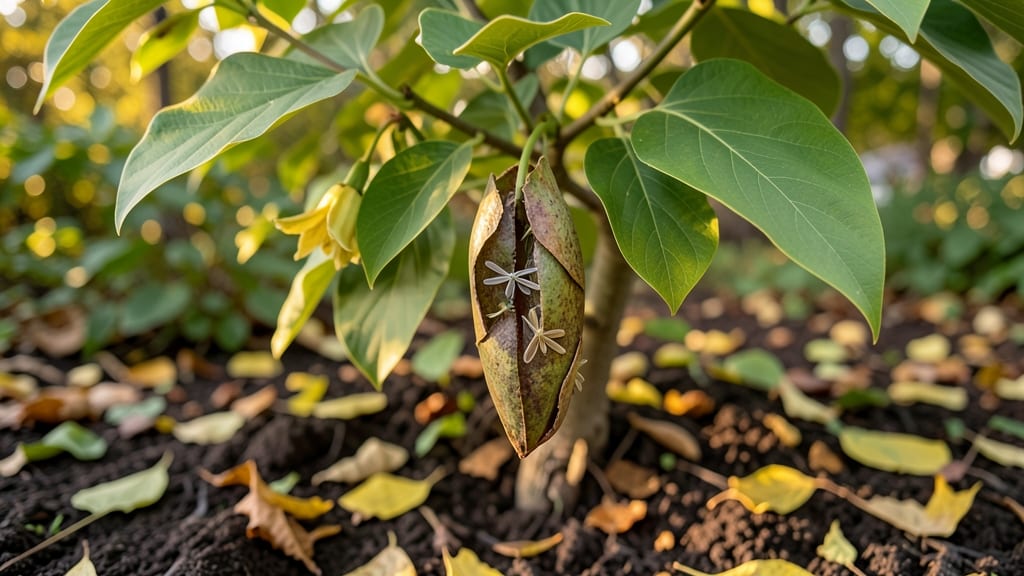
Cold-stratifying tulip tree seed pods unlocks a 90-day shortcut to growing these towering shade trees from scratch. 🌱 I’ve watched these giant seeds transform from dormant brown pods into lush seedlings—it’s like magic, but with science.
The key? Mimicking winter’s chill to break dormancy before planting, so you skip years of waiting for natural germination.
Harvesting starts in late fall when the pods turn brown and split open. Inside, you’ll find winged seeds that need 3-4 months of cold, moist conditions to sprout reliably. Skip this step, and you might wait years—or never see growth at all.
I’ve tried planting fresh seeds without stratification, and they just sat there, stubborn as a stubborn mulch pile.
By spring, you’ll have sturdy seedlings ready for transplanting, their first true leaves unfurling like tiny tulip petals.
These trees grow 3-4 feet per year once established, so starting from seed means you’ll have a shade canopy in no time—plus, the process is oddly satisfying, like raising a giant from a tiny nut.
Works best in zones 4-9, but the cold-stratification method adapts to cooler climates too. Just be patient with the timing—nature’s schedule isn’t ours, but with this trick, you’ll be ahead of the game. Let’s get those pods stratified!
📚 In This Guide
- What you need
- Instructions
- Tips and common mistakes
- Wrapping up and next steps
What you need
- ● Tulip tree seed pods – 10–20 mature pods (harvested in fall or purchased fresh). Pro tip: Look for plump, brown pods with intact seeds inside!
- ● Cold stratification setup: Large plastic bag or airtight container (e.g., Ziploc gallon bag or seed-starting tray)
- ● Potting mix or perlite (2–3 cups) – sterilized to prevent mold
- ● Paper towels or dampened coconut coir (enough to line the container)
- ● Refrigerator or cold frame – Must maintain 33–41°F (1–5°C) for 60–90 days.
- ● Planting pots or seed trays – 4–6" deep, with drainage holes (4–6 units).
- ● Well-draining potting soil – 2–3 bags (e.g., 50% peat/50% perlite mix).
- ● Spray bottle – For gentle moisture control.
- ● Labels & markers – To track stratification dates.
- ● Seedling heat mat (for post-stratification warmth)
- ● Grow lights (if natural light is <6 hours/day)
- ● Humidity dome (to retain moisture during germination)
- ● Fungicide (e.g., hydrogen peroxide 3%) – 1 tsp per gallon of water for sterilizing soil.
- ● Glove – Tulip tree pods can be sticky!
How to cold-stratify tulip tree seed pods for reliable germination
Here's my foolproof method for breaking dormancy and getting those stubborn seeds sprouting within 90 days.
🌱 Step 1: Harvest and Prepare the Seed Pods
Collect mature tulip tree seed pods when they've turned brown and split open naturally—usually in late fall or early winter. The seeds inside should be plump and dark brown. I like to work with them fresh but can store them in a cool, dry place for up to 3 months if needed.
Remove the seeds from the pods carefully—don't crush them. The wings on each seed help with dispersal, but we'll be removing them for planting. Soak the seeds in lukewarm water for 24 hours to soften any remaining dormancy barriers. This step is crucial because tulip tree seeds have a thick outer shell that slows germination.
💧 Step 2: Perform Cold Stratification for 90 Days
Fill a ziplock bag with 2 inches of moist peat moss or coconut coir—just enough to hold the seeds without compacting. Place the seeds ½ inch deep in the mix, spacing them 1 inch apart to prevent crowding. Seal the bag but leave a small gap for airflow.
Refrigerate the bag for 90 days at 35-40°F. I store mine on a shelf in my fridge, checking every 2 weeks to ensure the mix stays moist but not soggy. If the seeds start to dry out, mist lightly with water. This cold treatment mimics winter conditions and breaks the seed's dormancy, ensuring reliable germination.
☀️ Step 3: Plant Stratified Seeds in Containers
After 90 days, transfer the seeds to 4-inch pots filled with a mix of 50% potting soil and 50% perlite for drainage. Plant each seed ½ inch deep, pressing the soil gently around it to ensure good contact. Tulip tree seedlings are sensitive to root disturbance, so handle them carefully.
Place the pots in a warm, bright location with indirect light—like a sunny windowsill or under grow lights. Keep the soil consistently moist but never waterlogged. You'll see first sprouts in 2-4 weeks, though some seeds may take longer. Be patient—this is normal for tulip trees.
🌿 Step 4: Transplant Seedlings Outdoors After Last Frost
Once seedlings have 3-4 true leaves and are at least 6 inches tall, they're ready for transplanting. Wait until after the last frost date in your area—tulip trees are frost-sensitive once established. Choose a location with full sun and well-draining soil.
Dig a hole twice as wide as the root ball but no deeper. Gently remove the seedling from its pot, loosen the roots if they're circling, and place it in the hole. Backfill with soil, firm it lightly, and water deeply. Mulch around the base with 2 inches of organic mulch to retain moisture and protect young roots.
Tips & tricks for perfect tulip tree seed germination
These simple tricks will help you maximize your success rate and avoid common pitfalls with stubborn tulip tree seeds.
Soaking Strategy: The 24-hour soak in lukewarm water is your secret weapon against those tough outer shells. I like to use a glass jar so I can see the seeds softening—you'll notice they look slightly plump and less hard after soaking. If you're short on time, you can soak them for just 12 hours, but the full 24 hours gives you the best results. Pro tip: Use filtered or distilled water instead of tap water, as chlorine can inhibit germination.
Stratification Setup: When creating your 2-inch layer of moist peat moss or coconut coir, don't pack it down tightly—this prevents proper airflow around the seeds. I like to use a ziplock bag with a tiny hole punched in the corner for ventilation. This mimics natural forest conditions where seeds get moisture without becoming waterlogged. Remember, the 90-day cold period at 35-40°F is non-negotiable for breaking dormancy.
Transplant Timing: Wait until your seedlings have 3-4 true leaves and are at least 6 inches tall before transplanting—this gives them enough energy reserves to handle the shock. I always check the last frost date for my area and add an extra week just to be safe. Tulip trees are frost-sensitive once established, so don't rush this step. For extra protection, consider using a small frost cloth if an unexpected late frost occurs.
Lighting Solutions: If you don't have a sunny windowsill, grow lights are your best friend for this stage. I use a simple LED grow light on a timer for 12-14 hours a day. The key is indirect light—direct sunlight can scorch young seedlings. You'll notice the first sprouts appear in 2-4 weeks, but some seeds may take longer, so patience is key.
Pro Tips for Tulip Tree Seed Pod
- These simple tricks will help you maximize your success rate and avoid common pitfalls with stubborn tulip tree seeds.
- Soaking Strategy: The 24-hour soak in lukewarm water is your secret weapon against those tough outer shells.
- Stratification Setup: When creating your 2-inch layer of moist peat moss or coconut coir, don't pack it down tightly—this prevents proper airflow around the seeds.
Frequently asked questions
Got questions about tulip tree seed pods?
You’re not alone! Here are some of the most common queries—and their answers—to help you navigate growing these unique seeds like a pro.
How do I know when tulip tree seed pods are ready to harvest?
Tulip tree seed pods (also called "tulip poplar" or "yellow poplar" pods) are ready to harvest when they turn brown and papery and split open naturally—usually in late fall or winter. Wait until the seeds inside are fully dry and dark brown. Avoid harvesting green or wet pods, as they won’t store well.
Why does cold stratification take so long for tulip tree seeds?
Cold stratification mimics winter conditions, breaking the seed’s natural dormancy. Tulip tree seeds often need 60–90 days in the fridge (or buried outdoors in a cold climate) because their thick coats resist quick germination. Patience pays off—skipping this step may leave you waiting years for sprouts!
What’s the best temperature for cold-stratifying tulip tree seed pods?
Aim for 35–45°F (2–7°C) in a moist, well-ventilated environment (like a sealed bag with damp peat moss). Too warm (above 50°F/10°C), and stratification fails. Too cold (below 30°F/-1°C), and mold risks rise. A standard fridge’s crisper drawer is ideal—just check moisture weekly!
Can I grow tulip tree seeds without cold stratification?
Technically yes, but success rates drop dramatically. Some seeds may sprout in 1–2 months if soaked overnight and planted in warm, humid soil. However, stratification boosts germination from 10% to 80%+. For best results, combine cold treatment with a heat mat (70–80°F/21–27°C) after planting.
What should I do if my tulip tree seed pods get moldy during stratification?
Mold is a red flag! If you spot fuzzy growth, discard the batch immediately—mold can harm seeds or even spread to your fridge. To prevent it, use sterilized peat moss, keep pods in a breathable bag (like a mesh produce sack), and avoid over-moistening. If mold appears, try a fresh batch with 1/4 cup of cinnamon (a natural antifungal) mixed into the peat.
Wrapping up and next steps
Growing tulip tree seed pods through cold stratification is a rewarding way to cultivate these majestic trees—and you’ve got the perfect roadmap to success! With just a little patience and the right techniques, you can watch those sprouts emerge in as little as 90 days.
Whether you’re a seasoned gardener or a curious beginner, the key is consistency and care.
Now that you’re armed with knowledge, why not take the next step? Grab those seed pods, set up your stratification station, and enjoy the magic of nature unfolding right before your eyes. Happy planting—your future tulip tree awaits! 🌱✨