
Blooming
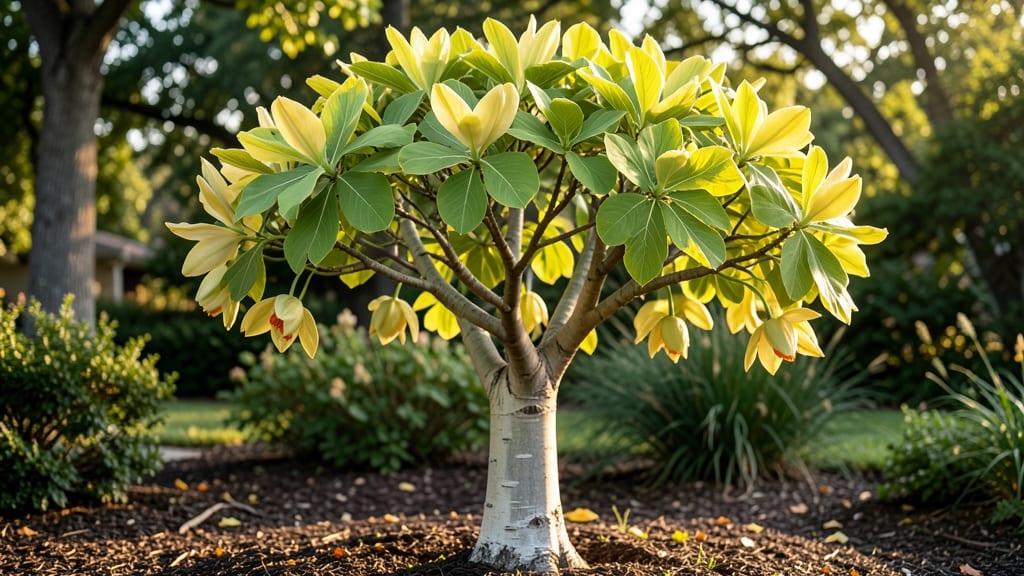
The tulip tree’s flowering time brings vibrant yellow-green blooms that light up spring gardens 🌳 — but when will yours open? Unlike many trees, this native beauty’s bloom window shifts dramatically depending on where you live, from early April in the South to late May in cooler climates.
Picture this: your tulip tree (Liriodendron tulipifera) stands tall and silent for years, then suddenly—one spring—it erupts in showstopping tulip-shaped flowers. For gardeners, that moment can feel like a reward after years of patience.
But timing isn’t just about aesthetics; knowing when to expect blooms helps you plan pruning, enjoy the seasonal spectacle, or even spot edible seeds (yes, they’re edible!).
Regional differences matter more than you might think. In Zone 6a, where many gardeners live, blooms typically arrive in early to mid-April, while Southern gardeners might see them as early as March.
Meanwhile, up north, trees in Zone 5 could wait until late May—if frost doesn’t cut them short. Climate, sunlight, and even last year’s growth can push those dates earlier or later.
Below, I’ll break down the exact months to watch by region, plus the 5 key factors that influence your tulip tree’s bloom schedule. Whether you’re waiting for your first flowers or hoping to coax more blooms next year, this guide has you covered.
Tulip tree flowering time by US growing zones: exact months to watch
The tulip tree (Liriodendron tulipifera) dazzles with its tulip-shaped blooms in late spring, but the exact timing depends heavily on your USDA hardiness zone.
In Zone 4, frosty springs can delay blooms until late May, while Zone 9 gardeners often see flowers as early as February. Understanding these variations helps you anticipate the peak bloom window—typically 4-6 weeks—and plan your garden accordingly.
Climate factors like last spring frost dates and microclimates (e.g., urban heat islands or sheltered valleys) can shift bloom times by 2-4 weeks.
For example, a Zone 6 tulip tree in a warmer microclimate might bloom in April, while one in a cooler pocket could wait until mid-May. Below is a breakdown of average bloom windows by zone, plus tips for adjusting expectations based on your local conditions.
🌳 Pro Tip: Use your local cooperative extension service to find historical frost dates—this is the #1 predictor of tulip tree bloom timing. For instance, if your area’s last frost typically occurs April 15, expect blooms 3-4 weeks later.
In Zone 4, where late frosts are common, tulip trees often wait until after Memorial Day to bloom. This delay is due to the tree’s need for consistent warmth—buds won’t open until soil temperatures reach 55°F (13°C) for 5+ consecutive days.
In contrast, Zone 9 gardeners in Florida or Southern California may see blooms as early as February, especially in mild microclimates like near large bodies of water.
For Zone 5-7, the average bloom window is
How to predict your tulip tree’s bloom time: 5 key factors
The tulip tree (Liriodendron tulipifera) typically blooms between late March and May, but the exact timing depends on several factors. Understanding these can help you predict—and even influence—when your tree will burst into its iconic yellow-green tulip-shaped flowers.
Here’s how to assess your tree’s readiness and adjust care for the best blooms.
First, consider your tree’s age and maturity. Young tulip trees (under 10 years old) may not bloom at all, while mature trees (20+ years) produce abundant flowers. Next, evaluate sunlight exposure—these trees thrive with 6+ hours of full sun daily, but partial shade can delay flowering.
Let’s break down the 5 key factors that determine bloom time.
Trees under 10 years rarely bloom; peak blooms occur at 20+ years. Young trees focus energy on growth.
Full sun (6+ hours/day) triggers blooms; partial shade delays or reduces flowers. South-facing spots are ideal.
Well-draining, slightly acidic soil (pH 5.0–6.5) supports blooms. Compacted or waterlogged soil stresses the tree.
Deep weekly watering (10–20 gallons) encourages blooms. Drought stress or overwatering can delay flowering.
Vigorous new growth in spring signals strong blooms. Prune in late winter to remove dead branches and stimulate flowers.
To encourage earlier or more abundant blooms, start by testing your soil and amending it with compost if needed. Tulip trees prefer moist but well-draining soil, so avoid waterlogged areas. If your tree is young, focus on consistent watering and sunlight—these are the biggest factors for first-time bloomers.
If your tulip tree is mature but still not flowering, check for stress signs like yellowing leaves or sparse foliage. These could indicate nutrient deficiencies or root competition from nearby plants. Apply a balanced fertilizer (10-10-10) in early spring to give it a boost.
Finally, observe your tree’s bud development in late winter. Healthy buds that swell early (by February) are a great sign of upcoming blooms. If buds appear but don’t open, late frosts or pest damage might be the culprit.
Protect young buds with frost cloth if your region experiences late freezes.
By monitoring these 5 key factors, you’ll gain confidence in predicting your tulip tree’s bloom time—and even help it perform at its best. Happy gardening! 🌳