
Trees
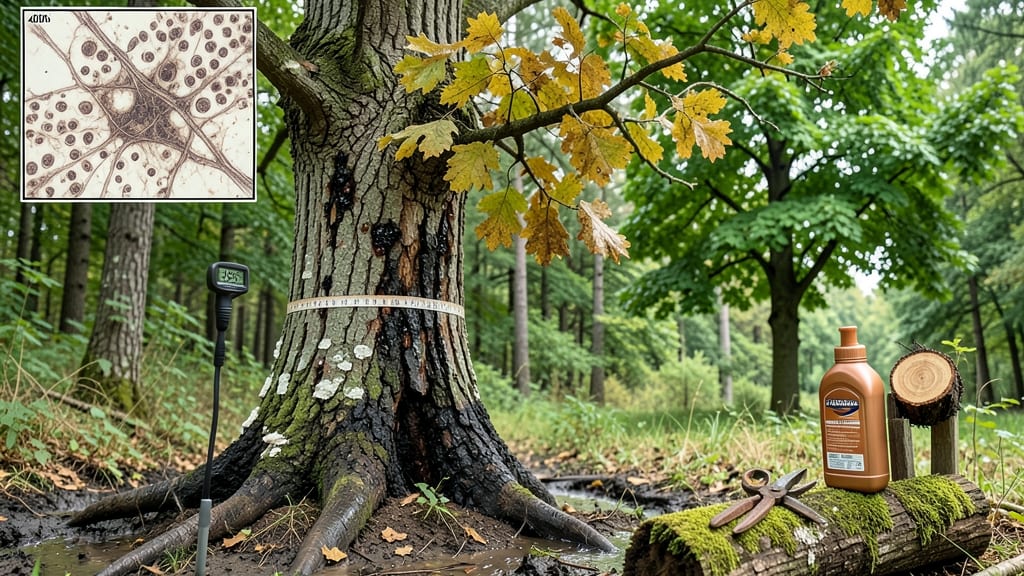
Tree rot fungus turns a healthy tree into a hollow shell in just a few seasons—unless you catch it early. 🌳 I’ve seen it destroy shade trees, fruit trees, and even young saplings, but the good news is that you can stop it before it spreads if you know what to look for and how to act fast.
The first signs are often subtle: discolored bark, soft spots when you press the trunk, or mushrooms sprouting at the base. These aren’t just cosmetic issues—they’re warnings that the fungus is breaking down the tree’s structural integrity.
The longer you wait, the harder (and more expensive) it gets to save the tree.
You can prune out infected areas, apply fungicides at the right time, and fix drainage problems that let fungus thrive. With the right approach, you’ll give your tree a fighting chance—sometimes even reversing early-stage rot before it becomes a full-blown crisis.
Prevention is just as important: proper watering, smart mulching, and choosing resistant tree varieties can keep fungus at bay for years. Let’s get your trees back to healthy and strong.
Understanding The Hidden Triggers
Tree rot fungus doesn’t strike at random—it thrives when specific conditions align, turning even the healthiest trees into vulnerable hosts. Whether it’s a slow, smoldering decay or a rapid takeover, these five key causes set the stage for fungal invasion.
Recognizing them early can save your trees (and your wallet) from irreversible damage.
Fungi love water—it’s their lifeline. When trees sit in soggy soil for extended periods, whether from overwatering, poor drainage, or relentless rain, spores germinate and penetrate weak bark or wounds. Root rot (caused by Phytophthora or Armillaria) and heart rot (like Fomes fomentarius) flourish in these conditions.
Actionable signs:
- Mushrooms sprouting at the tree’s base (🍄 = fungus party)
- Soft, spongy wood when tapped (like knocking on a wet log)
- Yellowing leaves even when soil is damp
💡 Pro Tip: Improve drainage with gravel trenches or French drains around susceptible trees. Mulch sparingly—too much traps moisture.
Trees heal slowly, and any breach—whether from storms, lawnmower strikes, or animal damage—creates an entry point for fungal spores. Decay fungi like Heterobasidion annosum (annosum root rot) exploit these gaps, spreading inward before symptoms appear above ground.
Common culprits:
- Broken branches (even old ones)
- Improper pruning cuts (too close to the trunk)
- Bark tears from snow, ice, or hail
🔥 Fix It: Seal fresh wounds with pruning paint (only on <1-inch cuts) and prune during dormant seasons to minimize stress.
Stressed trees are fungus magnets. Drought, extreme heat, compacted soil, or nutrient deficiencies weaken a tree’s defenses, making it easier for pathogens to take hold. Armillaria root rot, for example, targets trees already struggling from poor soil pH or root competition.
Red flags:
- Wilting leaves in dry spells (despite watering)
- Stunted growth or yellowing between veins (chlorosis)
- Cracked or peeling bark (sign of dehydration)
🌱 Solution: Test soil pH (ideal: 6.0–7.0 for most trees) and amend with compost or mycorrhizal fungi to boost resilience.
Trees in tight spaces—whether from overcrowded landscapes or aggressive root systems—compete for resources, leaving some starved and others stressed. Honey mushrooms (Armillaria) often spread between trees via root grafts, creating a network of decay.
Visual clues:
- Mushrooms growing in clusters between multiple trees
- One tree thriving while neighbors suddenly decline
- Soil with white, shoestring-like fungal threads (mycelium)
✨ Long-Term Fix: Thin out dense plantings and avoid planting new trees too close (follow species-specific spacing guidelines).
Some fungi are region-specific. For instance:
- Ophiostoma ulmi (Dutch elm disease) thrives in cool, wet climates like the Northeast U.S.
- Ceratocystis wageneri (pine wilt fungus) spreads via beetle vectors in the Southeast.
- Phellinus weirii (laminated root rot) dominates Pacific Northwest forests.
📊 What to Do: Research local fungal threats via your state’s agricultural extension office and choose native, resistant species for high-risk areas.
How to Fix Decaying Tree Problems
Fungal decay in trees doesn’t have to mean the end of your beloved shade tree or fruit-bearing giant—early action can save it. Below, we break down practical solutions based on the most common causes of tree rot fungus, from waterlogged roots to wounds left unchecked.
Follow these steps to treat the issue and prevent future outbreaks.
If your tree is battling root rot (often from overwatering or poor drainage), act fast to restore its health.
🌧️ Improve Soil Drainage
- Raise the Root Zone 🔨: If the soil is compacted or clay-heavy, amend it with organic matter (compost, bark chips, or sand) to improve aeration.
Dig a shallow trench around the tree’s drip line (the edge of its canopy) and fill it with amended soil. - Install French Drains 💧: For severely waterlogged areas, bury a perforated pipe surrounded by gravel to redirect excess water away from the roots.
Slant it downward toward a drainage outlet. - Mulch Properly 🌿: Apply 2–4 inches of mulch (wood chips or shredded bark) in a 3-inch-thick layer, keeping it 6 inches away from the trunk to prevent moisture buildup against the bark.
⚠️ Adjust Watering Habits
- Water Deeply but Less Often 💦: Instead of daily shallow watering, give your tree a slow, deep soak 1–2 times per week (adjust for rain).
Let the top 2–3 inches of soil dry out between waterings. - Avoid Overhead Watering 🚫💦: Use drip irrigation or soaker hoses to deliver water directly to the root zone, reducing fungal spores splashing onto the trunk.
💡 Pro Tip:
Test your soil’s drainage by digging a 12-inch hole, filling it with water, and timing how long it takes to drain. If it takes more than 6 hours, your soil is too dense—amend it immediately.
Broken branches or pruning wounds create entry points for fungi like Armillaria or Heterobasidion. Clean cuts and protective measures can stop decay in its tracks.
🔪 Prune Correctly
- Use Sharp, Clean Tools ✂️: Sterilize pruners with rubbing alcohol between cuts to prevent spreading spores.
Make cuts at a 45-degree angle, just outside the branch collar (the swollen area where the branch meets the trunk). - Remove Damaged Tissue 🧹: If a branch is cracked or dead, cut back to healthy wood (green underneath the bark).
Avoid leaving stubs, which trap moisture. - Seal Large Wounds (If Needed) 🛡️: For wounds larger than 2 inches, apply pruning sealant (like Tanglefoot Tree Wound Pruning Seal) to block fungal entry. Skip sealant for small cuts—it can trap moisture.
🛡️ Protect Against Further Damage
- Install Tree Guards 🛡️: Use plastic or metal guards to shield the trunk from lawnmowers, string trimmers, or animal gnawing.
- Thin the Canopy 🌳: If the tree is overcrowded, selectively remove branches to improve airflow and sunlight penetration, reducing humidity near the trunk.
⏰ When to Call a Pro:
If the tree is large (over 30 feet), leaning dangerously, or the rot is deep-seated, consult an ISA-certified arborist for safe removal or treatment.
Stressed trees (from drought, pests, or poor nutrition) are prime targets for fungal invaders. Strengthen your tree’s defenses with these steps.
💪 Fertilize Smartly
- Test Soil First 📊: Use a home soil test kit to check pH and nutrient levels. Most trees thrive in slightly acidic soil (pH 6.0–7.0).
- Apply Balanced Fertilizer 🌱: Choose a slow-release, organic fertilizer (like 10-10-10 or compost) in early spring.
Avoid high-nitrogen fertilizers, which can weaken roots. - Mulch Annually 🌿: Refresh mulch every 6–12 months to maintain soil moisture and nutrient supply.
🚫 Reduce Stressors
- Water During Droughts 💧: Deep-water trees every 7–10 days if rainfall is scarce.
Look for wilting leaves or dry soil as signs of thirst. - Control Pests Early 🐜: Treat borers, beetles, or aphids with neem oil or insecticidal soap before they weaken the tree. - Avoid Soil Compaction 🚜: Keep heavy foot traffic or machinery away from the tree’s root zone.
If the area is a lawn, aerate occasionally.
✨ Pro Tip:
Mycorrhizal fungi (beneficial soil microbes) can help trees absorb nutrients and resist pathogens. Add a mycorrhizal inoculant to the root zone when planting or fertilizing.
An ounce of prevention is worth a pound of cure—follow these habits to minimize future risk:
- Inspect Trees Annually 👀: Look for cracks, oozing sap, or mushrooms at the base—early signs of rot. - Plant the Right Tree in the Right Spot 🌳: Avoid water-loving trees (like willows) in soggy soil.
Match species to your climate and soil type. - Space Trees Properly 📏: Give trees enough room (check mature size) to reduce competition and improve airflow. - Clean Up Debris 🧹: Remove fallen leaves, branches, or fruit near the tree to limit fungal spores.
By addressing the root cause—whether it’s poor drainage, wounds, or stress—you can revive an ailing tree or prevent rot before it starts. Start with one or two fixes, monitor progress, and give your tree the best chance to thrive! 🌳💪
Frequently asked questions
What are the earliest signs of tree rot fungus I should watch for?
Start by checking for mushrooms or conks at the tree’s base (like honey mushrooms or shelf fungi), which indicate active decay. Tap the trunk—if it sounds hollow or feels soft when pressed, rot is likely present. Look for oozing sap, cracks in the bark, or leaves wilting despite moist soil.
Can I save a tree with advanced rot, or is removal the only option?
It depends on the tree’s size and rot location. For small trees with surface rot, pruning infected branches and improving drainage may help. But if the trunk is 50%+ hollow or the rot extends deep into the roots, removal is safest. Consult an ISA-certified arborist for a professional assessment.
How do I know if my tree has root rot vs. heart rot?
Root rot (from Phytophthora or Armillaria) shows yellowing leaves, stunted growth, and mushrooms at the base, while heart rot (like Fomes fomentarius) appears as cavities inside the trunk with healthy outer bark. Tap the trunk—root rot makes the whole tree feel soft, while heart rot may sound hollow only in specific areas.
Are there natural fungicides that work against tree rot?
Yes! Copper fungicides (like Bordeaux mixture) or neem oil can help on bark surfaces, but they’re most effective as preventatives. For soil-borne fungi, apply mycorrhizal inoculants or beneficial bacteria (like Trichoderma) to outcompete pathogens. Always pair treatments with fixing drainage or wounds.
Will removing infected branches stop the rot from spreading?
Only if you sterilize tools between cuts and remove all infected tissue (including the branch collar). Leaving stubs or cutting too close to the trunk creates new entry points. For large wounds (>2 inches), seal with pruning paint to block spores—but skip sealant on small cuts, as it can trap moisture.