
Pruning
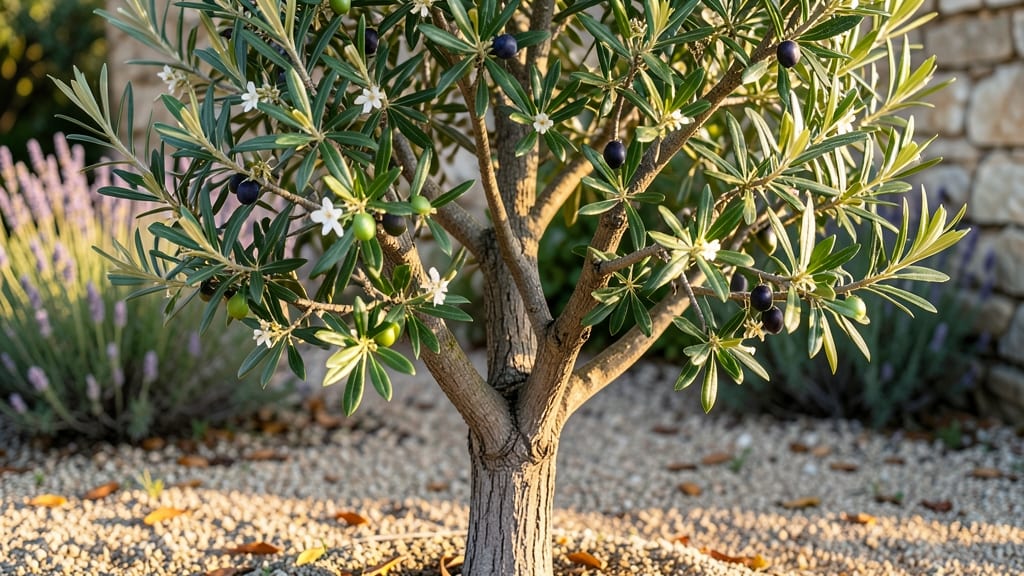
Your tree olive bush could be bearing fruit in just 3 years—if you prune it right. 🌿 Pruning isn’t just about shaping; it’s the secret to year-round beauty and a steady harvest of those silvery-green olives we all crave.
I’ve watched my own olive bush go from scraggly to lush by following a simple seasonal schedule, and now it produces fruit twice a year.
The key is timing: late winter for major cuts, summer for shaping, and light trims after harvest. Olive bushes thrive in USDA zones 8-11, but even in cooler climates, dwarf varieties like ‘Arbequina’ or ‘Frantoio’ handle containers beautifully.
They love well-draining soil and full sun, but don’t overwater—olives hate soggy roots.
By winter’s end, you’ll see fresh green growth where you made your cuts, and by summer, those branches will be heavy with fruit. The best part? Pruned properly, your bush stays compact, productive, and disease-resistant—no messy cleanup required. Even my black thumb can’t kill these.
Whether you’re growing in pots or planting outdoors, the same rules apply. Start with clean, sharp tools, and always cut just above a leaf or bud. This isn’t just maintenance—it’s how you train your olive bush to become the star of your landscape (and your table).
📚 In This Guide
- What you need
- Instructions
- Tips and common mistakes
- Wrapping up and next steps
What you need
- ● Pruning shears: Sharp, bypass-style shears (for clean cuts on smaller branches). Size: 6–8 inches.
- ● Pruning saw: Curved-tooth saw for thicker branches (1–3 inches in diameter). Blade length: 12–16 inches.
- ● Loppers: For medium branches (up to 2 inches thick). Recommended: Ratchet-style for ease.
- ● Disinfectant: 70% isopropyl alcohol or rubbing alcohol (to sterilize tools between cuts).
- ○ Pruning sealant: Optional but helpful for sealing large cuts (e.g., Tanglefoot Tree Wound Pruning Seal).
- ● Gloves: Heavy-duty, cut-resistant gloves (olive branches can be thorny!).
- ● Ladder: Sturdy, extendable ladder (if your bush exceeds 6 feet in height).
- ● Trash bags: For collecting pruned branches (check local regulations for disposal).
- ● Weather check: Prune on a dry, overcast day (avoid pruning when wet or in extreme heat).
- ● Safety gear: Safety glasses (to protect from debris) and long sleeves/pants (for thorn protection).
- ● Tree olive bush info: Know your variety (e.g., Olea europaea ‘Arbequina’ or ‘Manzanillo’). Some types bloom differently!
- ● Water source: A hose or watering can to hydrate the bush post-pruning (if needed).
- ● Notebook & pen: To jot down notes on cuts, growth patterns, or fruit production goals.
Step-by-Step pruning guide for year-round olive bush care
Here's the precise seasonal approach I use to keep olive bushes productive and healthy.
✂️ Step 1: Late Winter Pruning for Structure and Airflow
Begin your pruning cycle in late winter (just before buds swell) when the tree is still dormant. This is the perfect time because the plant's energy is focused on new growth rather than wound recovery. I always start by removing dead, diseased, or crossing branches—these are the first to go, as they compete with healthy growth and invite pests.
Next, shape the tree by cutting back last year's growth to a strong outward-facing bud. Aim to open the center of the bush by removing 20-30% of the total canopy. This prevents overcrowding and ensures sunlight reaches all branches. Use clean, sharp pruners to make cuts at a 45-degree angle just above a bud or lateral branch—never leave stubs, as they invite decay.
☀️ Step 2: Light Summer Pruning to Encourage Fruit Production
After the spring flush of new growth (around June), switch to light maintenance pruning to encourage fruit set. The goal here is to reduce leaf density on branches that bore fruit the previous year, as this redirects energy toward new olive development. I focus on trimming suckers (vigorous shoots growing from the base or trunk) and any water sprouts (rapidly growing vertical shoots).
For established bushes, I also thin out some of the smaller branches to improve air circulation—this reduces humidity in the canopy, which is critical for preventing fungal diseases like peacock spot. Work on mild, overcast days to avoid stressing the plant, and always sterilize your tools with rubbing alcohol between cuts to prevent spreading pathogens.
🌿 Step 3: Post-Harvest Pruning for Winter Preparation
Once you've harvested your olives (typically October-November), it's time for the final pruning of the year. Focus on removing any remaining fruit clusters that didn't ripen, as these can drain energy from the tree. I also trim back any overly vigorous shoots that grew during the summer, cutting them back to a strong lateral branch or bud. This ensures a balanced structure heading into dormancy.
Here's the thing—never prune olive bushes in fall if your climate has cold winters. The fresh cuts won't heal properly before freezing temperatures set in, leaving the tree vulnerable to winter damage. If you live in a Zone 7 or colder, wait until late winter to resume pruning. For milder climates, a light shaping trim in late fall is fine, but avoid heavy cuts.
⏰ Step 4: Year-Round Maintenance Checks
Olive bushes thrive with consistent, low-stress care—so between major pruning sessions, I perform monthly inspections. Look for new suckers growing from the base or trunk and remove them immediately, as they divert energy from fruit production. Also, keep an eye out for dieback (sudden browning of branches), which can signal fungal issues or environmental stress. If you spot it, prune back to healthy green wood and treat with a copper fungicide if needed.
Water deeply once every 2-3 weeks during dry spells (olives are drought-tolerant but not drought-proof), and avoid overhead watering to prevent fungal issues. Mulch around the base with 2-3 inches of wood chips to retain moisture and regulate soil temperature. This simple step reduces the need for frequent pruning by keeping the root zone stable year-round.
Tips & tricks for perfect tree olive bush pruning
These seasonal strategies will transform your olive bush from a neglected shrub into a thriving fruit producer.
Timing is Everything: The late winter pruning window (just before buds swell) is non-negotiable for olive bushes. I've learned this the hard way—pruning too early when trees are still dormant stresses them, while waiting too long risks encouraging new growth that won't survive winter. Check your local frost dates and schedule pruning for the 2-3 week period before your last expected frost, typically February-March in most climates. This timing ensures the tree can heal before spring growth begins.
Canopy Management Secret: That 20-30% canopy reduction in Step 1 isn't arbitrary—it's based on olive tree physiology. Olive bushes naturally grow in an open, airy shape to prevent fungal diseases. When you remove this percentage, you're creating the ideal light penetration while maintaining the tree's natural form. Pro tip: Use a string or measuring tape to mark your 20-30% target before you start cutting—it's easy to over-prune in one enthusiastic session!
Tool Technique: The 45-degree angle cut just above a bud isn't just aesthetic—it's crucial for proper wound healing. When you make this angled cut, the water naturally beads away from the wound, preventing rot. I always carry a small magnifying glass to verify I'm cutting at exactly 45 degrees and that I'm targeting a healthy bud. This small attention to detail makes all the difference in your tree's recovery rate.
Seasonal Adaptation: For Zone 7 growers and colder, that fall pruning warning is critical. I've seen too many trees suffer winter dieback from fall cuts that didn't have time to callous over before freezing. If you're in a colder climate, mark your calendar for late winter pruning—it's worth waiting. For milder zones, that light fall trim can actually help shape the tree for winter, but keep it minimal to avoid stressing the plant before dormancy.
Pro Tips for Tree Olive Bush
- These seasonal strategies will transform your olive bush from a neglected shrub into a thriving fruit producer.
- Timing is Everything: The late winter pruning window (just before buds swell) is non-negotiable for olive bushes.
- Canopy Management Secret: That 20-30% canopy reduction in Step 1 isn't arbitrary—it's based on olive tree physiology.
Frequently asked questions
Got questions about pruning your tree olive bush for year-round fruit and beauty? You’re not alone! Here are answers to the most common queries to keep your tree thriving.
When is the best time to prune a tree olive bush?
Prune your tree olive bush in late winter or early spring (before buds swell) to encourage new growth and fruit production. Light shaping can also be done in summer after harvest, but avoid heavy pruning then—it stresses the tree. Pro tip: Never prune in fall, as it delays dormancy and weakens the plant.
How much can I trim off a tree olive bush without harming it?
Remove no more than 25-30% of the foliage in a single session to avoid shocking the tree. Focus on dead, diseased, or crossing branches first, then thin out crowded growth. Pro tip: Use clean, sharp tools to make precise cuts just outside the branch collar for faster healing.
What if my tree olive bush isn’t producing fruit?
Lack of fruit often stems from over-pruning, poor sunlight, or young age (tree olives take 3–5 years to bear fruit). Ensure it gets 6+ hours of sun daily and prune lightly to maintain an open canopy. Pro tip: Fertilize in early spring with a balanced, low-nitrogen mix to encourage blooming.
Can I prune a tree olive bush in cold climates?
Yes, but wait until after the last frost (typically late winter/early spring). Tree olives are hardy but sensitive to late pruning in cold snaps. In freezing zones, mulch the base to protect roots and prune minimally to avoid stress. Pro tip: Use dwarf varieties (like ‘Arbequina’) if you’re in a short-season area—they mature faster.
What’s a good alternative if I don’t want to prune often?
Choose a low-maintenance variety like ‘Frantoio’ or ‘Leccino’, which tolerate lighter pruning. Alternatively, grow bush olives (like ‘Manzanillo’) in containers—they require less structural pruning. Pro tip: Train young trees with a central leader shape early on to reduce future upkeep.
What should I do if my olive bush has yellow leaves after pruning?
Yellow leaves usually signal over-pruning, nutrient deficiency, or root stress. Water deeply, apply a balanced fertilizer, and avoid heavy pruning next year. If the issue persists, check for pests (like scale) or fungal issues (e.g., verticillium wilt). Pro tip: Prune only in dry weather to prevent fungal infections.
Wrapping up and next steps
Cultivating a thriving tree olive bush is all about timing, patience, and a little green-thumb love! 🌿 By following this pruning calendar, you’ll unlock year-round beauty, healthier growth, and a bountiful harvest.
Whether you’re a seasoned gardener or just starting, every trim brings you closer to that perfect balance of form and fruit.
Ready to elevate your olive bush game? Start small—pick one season’s tasks this year and build confidence. Before you know it, your tree will be the star of your garden, rewarding you with glossy leaves, sturdy branches, and delicious olives! 🌟