
How To
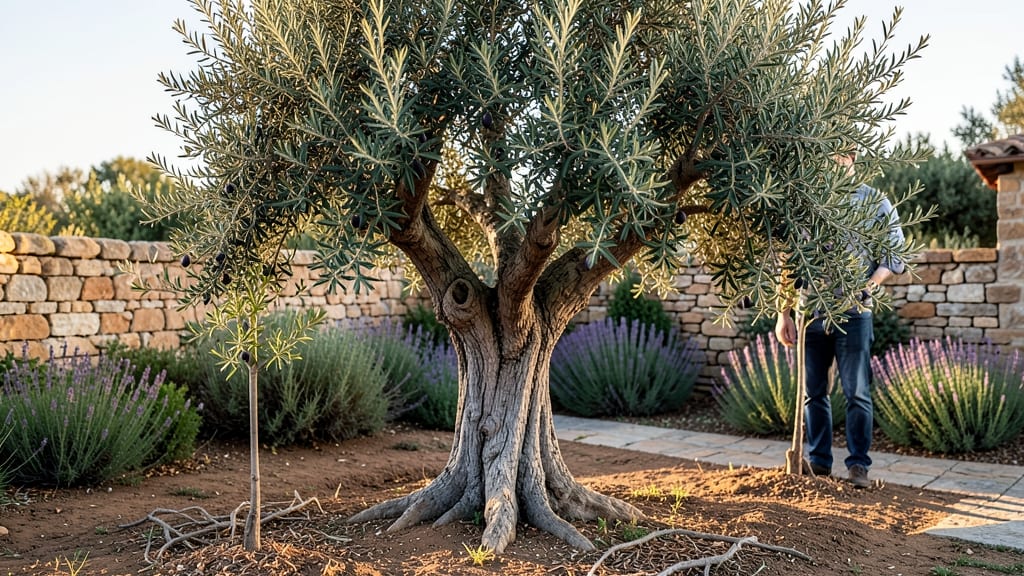
An olive tree 🫒 can grow anywhere from 8 feet to over 50 feet tall, depending on its variety and how you care for it.
Wondering whether an olive tree will tower over your backyard or stay compact enough for a container? The answer depends on its variety, climate, and growing conditions—and knowing these factors can mean the difference between a thriving tree and one struggling for space.
Standard varieties like 'Manzanillo' or 'Mission' reach heights of 30–50 feet, making them perfect for large properties with Mediterranean climates. But dwarf types like 'Arbequina' top out at just 8–15 feet, ideal for pots or small gardens.
Below, I’ll break down the height ranges by variety, how your climate zone affects growth, and whether you can keep one in a container without sacrificing size or fruit production.


Olive tree height by variety: dwarf vs. standard vs. giant sizes
Choosing an olive tree variety isn’t just about flavor—it’s about space! Some varieties stay compact enough for containers or small patios, while others grow into towering giants that need acres.
The Arbequina, for example, tops out at just 8–15 feet, making it perfect for urban gardens, whereas a wild-type Mission olive can reach 50 feet or more. Understanding these differences helps you pick the right tree for your yard or balcony.
Olive trees (Olea europaea) are surprisingly versatile in size, thanks to selective breeding. Dwarf varieties are bred for controlled growth, while standard and giant types grow naturally tall. Even within a single variety, pruning and soil conditions can influence height by up to 30%.
For instance, a Frantoio olive might stay under 12 feet in a pot but stretch toward 20 feet in the ground.
Here’s how popular olive tree varieties compare in height—plus tips for managing their growth to fit your space:
| Variety | Mature Height (ft) | Growth Rate (ft/year) | Best For | Pruning Needs |
|---|---|---|---|---|
| Arbequina | 8–15 | 1–2 | Containers, small yards | Light (shape only) |
| Frantoio | 12–20 | 2–3 | Medium yards, espalier | Moderate (annual) |
| Manzanillo | 15–25 | 3–4 | Large patios, rural gardens | Regular (height control) |
| Mission | 30–50 | 4–6 | Large properties, orchards | Heavy (structural) |
| Leccino | 20–35 | 3–5 | Medium yards, hedges | Moderate (shape + size) |
The Arbequina is my top pick for small spaces—it’s not only dwarf-friendly but also produces high-quality oil. If you’re growing it in a 15-gallon pot, expect it to stay under 10 feet with regular root pruning.
For larger yards, the Manzanillo strikes a balance: tall enough to feel majestic but manageable with annual pruning.
Standard varieties like Mission and Leccino need space—think 20+ feet of clearance for branches and roots. These are better suited for rural properties or orchards where they can spread naturally. Even then, pruning in late winter can keep their height in check by 20–30%.
Giant olive trees, like those found in Mediterranean groves, can exceed 50 feet and live for centuries. While these aren’t practical for home gardens, they’re a reminder of how ancient olive trees thrive in ideal conditions.
For most gardeners, a dwarf or semi-dwarf variety is the way to go—especially if you want fresh olives or oil without sacrificing yard space.
Pro tip: If you love the idea of a tall olive tree but lack the space, consider espalier training. This technique flattens the tree against a fence or wall, keeping it under 10 feet while maximizing fruit production.
It’s a favorite among urban gardeners who want that olive tree aesthetic without the height.
Remember, olive trees grow slowly in their first few years—a young tree might only gain 1–2 feet per year. This gradual growth gives you time to adjust pruning or container sizes as needed.
Pair your variety choice with well-draining soil and full sun, and you’ll set your olive tree up for the perfect height—whether you dream of a tiny patio tree or a stately backyard giant.
🌱
Climate zones and growth factors: how location affects olive tree height
Your olive tree’s mature height isn’t just about its variety—it’s heavily influenced by your climate zone and growing conditions.
In USDA zones 8–11, where olives thrive, factors like sunlight exposure, soil drainage, and water availability can push a tree from a compact 10 feet to a towering 50 feet. Let’s break down how your location shapes your olive tree’s growth trajectory.
Olive trees love Mediterranean climates with hot, dry summers and mild winters, but they adapt surprisingly well to USDA zones 8–11 across the U.S. In California’s coastal regions (zone 9–10), olive trees grow taller and faster due to consistent sunlight and well-draining soil.
Meanwhile, in Florida’s zone 10–11, humidity can stunt growth unless you prioritize air circulation and disease-resistant varieties like Arbequina.
In drier climates like Arizona or Southern California, olive trees naturally grow taller and leggier to reach scattered water sources.
But in humid zones like Florida or Texas, excessive moisture can lead to fungal diseases that stunt growth unless you improve drainage and space trees 15–20 feet apart for airflow.
My Arbequina olive tree in zone 9b stays under 12 feet because I prune aggressively and use gravelly soil mixes to mimic its native Mediterranean habitat.
To control height, focus on pruning in late winter before new growth starts. Remove 1/3 of the oldest branches to encourage outward growth rather than upward. In containers, root-pruning every 2–3 years keeps heights under 10 feet while maintaining fruit production.
For large properties, let standard varieties like Manzanillo reach their 30–50 foot potential—but plant them 50+ feet from structures to avoid shading and root competition.
If you’re in zone 8, push the limits by choosing cold-hardy varieties like Mission and mulching heavily to protect roots. In zone 11, shade cloth during peak summer can prevent heat stress that slows growth.
The key is matching your olive tree’s needs to your local climate—whether that means pruning for compactness or letting it grow wild in a spacious yard.
Remember: Olive trees grow slower in cooler zones but can double in height in ideal Mediterranean conditions. Your location dictates the tools—not the limits—of your olive tree’s potential.
Start with the right variety, adjust care for your zone, and watch it thrive at the perfect height for your space! 🌳