
Pruning
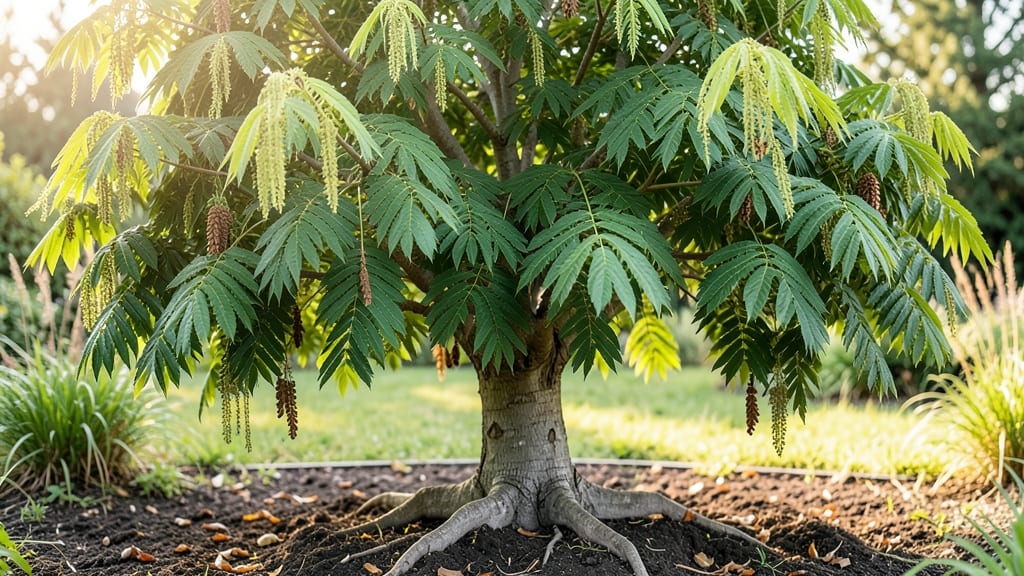
Is Tree of Heaven fruit edible? No—it's highly toxic and contains dangerous compounds like ailanthone that trigger severe nausea, vomiting, and neurological symptoms if eaten. Every part of the plant—fruit, leaves, and bark—is poisonous to humans and pets, creating serious health risks through ingestion or skin contact.
This invasive tree's fruit may look harmless, but its chemical makeup makes it one of the most dangerous ornamental plants in North America. 🌳 The plant produces ailanthone and other alkaloids that disrupt cellular function, particularly in the liver and nervous system—even small exposures can lead to hospitalization.
Unlike some poisonous plants that cause mild stomach upset, Tree of Heaven toxicity often progresses to more severe symptoms like dizziness or muscle weakness within hours of consumption.
What makes this especially concerning is how easily its fruit can be mistaken for edible alternatives. The small, greenish-brown samaras resemble other tree fruits until closely examined, and their bitter taste only appears after ingestion—far too late for safety.
If you suspect accidental exposure, seek immediate medical attention and remove the plant from your property to prevent further risks.
💡 In This Article
- Toxic Compounds in Tree of Heaven Fruit: Chemical Breakdown
- Identifying and Avoiding Tree of Heaven Fruit in Gardens
Toxic compounds in Tree of Heaven fruit: chemical breakdown
The Tree of Heaven's toxicity stems from its complex chemical arsenal, with ailanthone being the most dangerous compound. This sesquiterpene lactone disrupts cellular respiration by inhibiting mitochondrial function, essentially starving cells of energy.
Studies show ailanthone concentrations in the fruit can reach 0.5-1.2% of dry weight—enough to trigger symptoms with just a few bites. 🌿 For comparison, deadly nightshade's solanine content typically sits at 0.1-0.5%, making Tree of Heaven's toxicity nearly 2-12 times more potent.
Other problematic compounds include ailanthin (a phorbol ester) and various alkaloids that attack the nervous system. These chemicals create a "double whammy" effect: ailanthone damages the liver while alkaloids cause neurological symptoms like dizziness and muscle spasms.
The plant's defense mechanism evolved to deter herbivores, but its chemical profile makes it particularly dangerous to humans who might mistake its fruit for edible alternatives like mulberries or figs.
What makes this toxicity especially insidious is how quickly symptoms can escalate. Initial reactions (nausea, vomiting) may appear within 30-60 minutes of ingestion, but severe cases involving liver damage can progress over 24-48 hours.
Unlike some poisonous plants that cause immediate, dramatic reactions, Tree of Heaven's effects often develop gradually—making diagnosis challenging for medical professionals unfamiliar with its specific symptoms. 🚨
The plant's toxicity extends beyond ingestion. Sap from broken branches contains resins and irritating compounds that can cause skin rashes upon contact, while the bark's high alkaloid content makes it particularly dangerous if chewed (a common behavior in curious pets).
Even the roots contain toxic compounds, making complete removal from gardens particularly important for preventing regrowth.
Research published in the Journal of Ethnopharmacology found that Tree of Heaven's toxicity persists even after drying, meaning composting or burning the plant doesn't neutralize its dangers.
The compounds remain stable through various processing methods, which is why proper disposal (sealed in plastic bags for municipal hazardous waste collection) is critical when removing the plant from your property.
What most people don't realize is that the plant's toxicity varies by season. Fruits produced in late summer to early fall contain the highest concentrations of ailanthone, coinciding with when they're most likely to be mistaken for edible options.
The bitter taste only appears after consumption, making accidental poisoning more likely with children or pets who might sample the fruit without noticing the unpleasant flavor immediately.
For those concerned about exposure, it's worth noting that Tree of Heaven's toxicity doesn't diminish with cooking. Heat doesn't break down ailanthone or related compounds, so any preparation method (boiling, frying, baking) would still pose serious health risks.
This makes the plant particularly dangerous in areas where it's been accidentally cultivated as an ornamental tree, as its fruit can remain on the tree well into winter.