
Trees
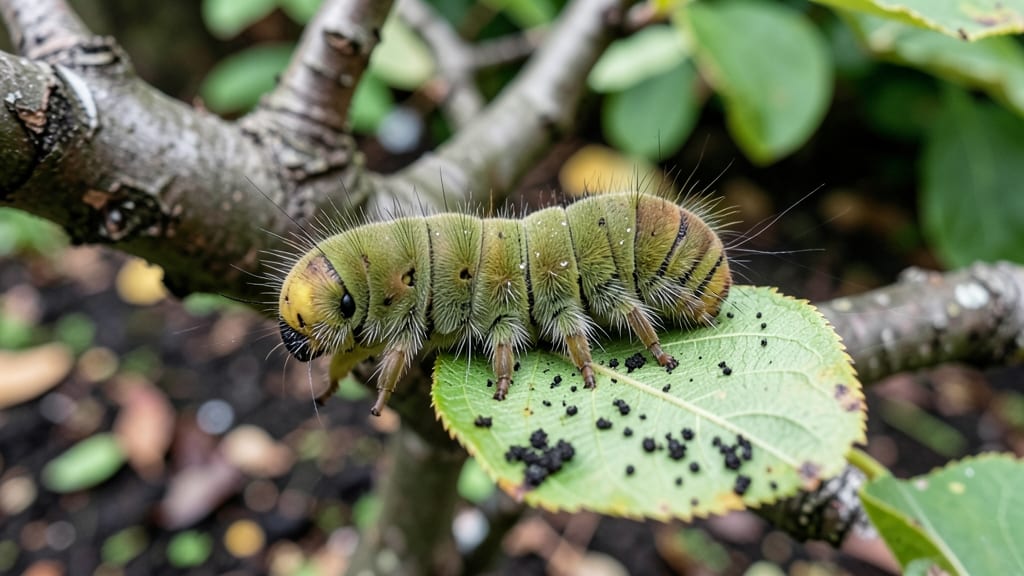
Tree-killing worms are silent saboteurs that can turn a sturdy oak into a hollow shell before you even notice. 🌳 I’ve seen them reduce thriving shade trees to skeletal remains in just a few seasons—until I learned the early warning signs and how to stop them organically.
The first clue is usually wilting leaves that don’t respond to watering, paired with tiny holes or sawdust-like frass near the bark. Root weevils, borers, and grubs chew through roots and trunks, leaving behind damage that spreads fast if ignored. The good news?
Catching it early means you can still save your tree with targeted action. Neem oil, beneficial nematodes, and strategic pruning cut off their food source while restoring tree health. I’ve used these methods to rescue trees that looked doomed—now they’re back to growing strong.
The key is acting before the worms win the battle. Prevention starts with healthy soil and regular inspections. A few minutes every spring could mean the difference between a thriving tree and a sad stump. Let’s get your trees back on track!
Root Causes Of Tree Decline
When destructive worms invade your trees, they don’t just appear out of nowhere—they’re drawn by specific conditions that weaken trees and make them prime targets. Understanding these triggers is the first step to stopping the damage before it’s too late. Here’s why trees become vulnerable to these silent killers.
Trees rely on a complex network of defenses—healthy bark, strong roots, and a resilient immune system—to fend off pests. When these defenses falter, worms like the emerald ash borer or gypsy moth caterpillar exploit the opportunity. Here’s how it happens:
- Nutrient Deficiencies: Trees starved of essential nutrients (like nitrogen, phosphorus, or potassium) produce thinner bark and weaker structural tissues, making them easier for larvae to burrow through. Think of it like a human with a weakened immune system—pests strike faster.
- Stress From Environmental Factors: Drought, extreme heat, or poor soil drainage force trees into survival mode, diverting energy away from pest resistance. Stressed trees are 3x more likely to fall prey to borers and defoliators.
- Disease or Fungal Infections: Fungi like Armillaria root rot or honey fungus create entry points for worms. Once the tree’s vascular system is compromised, larvae have an open invitation to feast on the inner bark.
💡 Pro Tip: Regular soil testing and targeted fertilization can rebuild a tree’s resilience. Look for mycorrhizal fungi in organic treatments—they form symbiotic relationships with roots, boosting natural defenses.
Worms thrive in specific microclimates where trees are already struggling. These conditions create the perfect breeding ground:
| Factor | How It Attracts Worms | Actionable Fix |
|---|---|---|
| 🌡️ Warm, Moist Bark | Many worm species (e.g., spongy moth caterpillars) prefer trees with damp bark, which softens their entry. Overwatering or poor drainage creates this environment. | Improve drainage with organic mulch (wood chips, straw) and avoid wetting bark during watering. |
| 🌿 Overcrowded Canopies | Tightly packed branches reduce airflow, trapping heat and humidity—ideal for worm eggs to hatch. Gypsy moths target stressed, shaded trees. | Thin out branches to 20–30% of the canopy for better airflow. Prune in late winter to avoid stressing the tree. |
| 🍃 Freshly Cut or Wounded Trees | Open wounds from pruning, storms, or animal damage expose the tree’s inner layers, making it a buffet for borers and bark beetles. | Seal wounds with pruning sealant (beeswax or tree pitch) and avoid flush cuts—leave a 1/4-inch collar. |
⚠️ Warning: Never use plastic tree wraps—they trap moisture and accelerate fungal growth, which worms love. Opt for breathable fabric wraps instead.
Sometimes, well-meaning actions accidentally create worm-friendly conditions. Here’s how human behavior accelerates the problem:
- 🌳 Planting Non-Native Trees: Species like ash, elm, or willow have little natural resistance to invasive worms (e.g., emerald ash borer). Native trees, like oak or hickory, often evolve alongside local pests.
- 🚛 Firewood Transport: Moving infested firewood even 50 miles can introduce worms to new areas. Larvae hide in bark crevices, hitchhiking to unsuspecting trees.
- 🌿 Over-Fertilizing with Synthetics: Chemical fertilizers can burn roots, weakening the tree’s ability to fight off pests. Slow-release organic fertilizers (like compost or fish emulsion) feed roots without shocking the system.
🎯 Key Takeaway: If you suspect a worm outbreak, quarantine infested trees immediately and sterilize tools with a 70% isopropyl alcohol solution to prevent spread.
By addressing these root causes—whether it’s boosting tree health, adjusting care practices, or avoiding common mistakes—you can disrupt the cycle before worms turn your trees into hollow shells. Early action saves lives.
Organic Rescue Guide for Worm-Attacked Trees
If your trees are under siege by tree-killing worms—whether it’s the dreaded emerald ash borer, gypsy moth caterpillars, or spotted lanternfly nymphs—don’t panic. With the right approach, you can revive your trees organically and prevent future infestations.
Below, we’ve mapped out targeted solutions based on the root cause, along with preventive tips to keep your greenery thriving.
Catching the problem early is key. If you spot:
- Holes in bark or sawdust-like frass (worm poop) 🐛
- Yellowing or wilting leaves despite proper watering 🌳
- Unusual egg masses on branches or trunks (like gypsy moth webs) 🕷️
- Sticky honeydew residue (a sign of sap-sucking pests like lanternflies) 🍯
Act immediately—the sooner you intervene, the better the chances of saving your tree.
🔥 1. Remove & trap worms (physical control)
For visible larvae or adult pests, manual removal is often the fastest fix.
- 🍳 Scrape off egg masses (gypsy moths, lanternflies) with a putty knife or stiff brush. Drop them into soapy water to kill them.
- 👨🍳 Prune infested branches (especially with emerald ash borers) and burn or bag them (do not compost!).
- 🕷️ Install pheromone traps (for beetles like EAB) in spring to lure and trap adults before they lay eggs.
- 🌡️ Use beneficial nematodes (like Steinernema carpocapsae) to target soil-dwelling larvae. Apply in early morning or late evening for best results.
✨ Pro Tip: If dealing with spotted lanternflies, crush egg masses with a credit card in late winter/early spring—they’re the size of a dime and hidden under camouflage.
🌿 2. Strengthen tree health (natural immunity boost)
A healthy tree fights off pests better. Focus on these organic care tactics:
- 💧 Water deeply but infrequently to encourage deep root growth. Avoid overwatering, which stresses trees.
- 🥗 Feed with compost or organic mulch (wood chips, leaf litter) to improve soil microbes and nutrient uptake.
- 🌡️ Apply neem oil or horticultural oil (1-2% concentration) to smother eggs and young larvae. Spray in early spring or late fall when pests are dormant.
- 🎯 Use kaolin clay (Surround WP) to create a protective film that confuses and repels pests like gypsy moths.
✨ Pro Tip: Plant companion species like garlic, chives, or marigolds near trees—their strong scents deter pests naturally.
🚫 3. Prevent future infestations (long-term strategies)
Once your tree recovers, keep pests at bay with these preventive measures:
- 🔪 Inspect trees monthly for early signs of damage, especially after storms or heavy rains (when pests are most active).
- ⏰ Time your treatments:
- Spring: Target egg hatch (use nematodes or kaolin clay).
- Summer: Monitor for new larvae (prune and trap as needed).
- Fall/Winter: Remove leaf litter (where pests overwinter) and apply dormant oil.
- 🌳 Avoid over-fertilizing with nitrogen—it attracts soft-bodied pests like caterpillars. Use a balanced organic fertilizer instead.
- 🐝 Encourage natural predators:
- Install birdhouses (birds eat caterpillars!).
- Plant native wildflowers to attract ladybugs, lacewings, and parasitic wasps.
✨ Pro Tip: If your tree is already severely damaged, consult a certified arborist—some species (like ash trees with EAB) may need professional treatment or removal to protect nearby trees.
Not sure which worm is attacking? Use this cheat sheet:
| Pest | Signs | Best Organic Fix |
|---|---|---|
| Emerald Ash Borer (EAB) | D-shaped exit holes, peeling bark, top dieback | Drill & inject beneficial bacteria (like Bacillus thuringiensis), remove infested wood, plant resistant species (e.g., green ash hybrids). |
| Gypsy Moth Caterpillars | Webbing, defoliation, white egg masses on branches | Handpick larvae, apply Bt (Bacillus thuringiensis), use pheromone traps. |
| Spotted Lanternfly Nymphs | Sticky honeydew, red/black spots, egg clusters on tree bark | Scrape eggs, use kaolin clay, apply neem oil, report sightings to local ag departments. |
| Bagworms | Spiky cocoons on branches, yellowing leaves | Handpick bags (burn or drown), use Bt spray, prune heavily infested branches. |
With consistent organic care,
Frequently asked questions
What are the most common tree-killing worms I should watch for?
The worst offenders include emerald ash borers (D-shaped exit holes), gypsy moth caterpillars (webbing and white egg masses), and spotted lanternfly nymphs (sticky honeydew). Root weevils and bagworms also cause serious damage. Each leaves distinct signs—learn to spot them early!
How do I know if my tree is already too far gone?
If you see large sections of dead bark, cracked or splitting wood, or no new leaf growth for 2+ years, the tree may be beyond saving. Look for sap oozing or fungal growth—these are red flags. When in doubt, consult an arborist before removing.
Are there any natural predators that help control these worms?
Birds (especially woodpeckers), parasitic wasps, and ladybugs eat worm eggs and larvae. Plant native wildflowers and install birdhouses to attract them. Even ducks and chickens will snack on ground-dwelling larvae if given access.
Can I use neem oil on a tree with fresh wounds?
No—wait until wounds are sealed with pruning sealant (beeswax or tree pitch). Neem oil is safe for healthy bark but can irritate fresh cuts. Apply it in early spring or late fall when pests are dormant for best results. Always test a small branch first.
How often should I inspect my trees for worm damage?
Check your trees monthly during growing seasons (spring-fall), with extra attention after storms or heavy rains. Focus on bark crevices, branch junctions, and leaf undersides—these are worm hotspots. A quick 10-minute scan can catch problems before they spread!