
Pruning
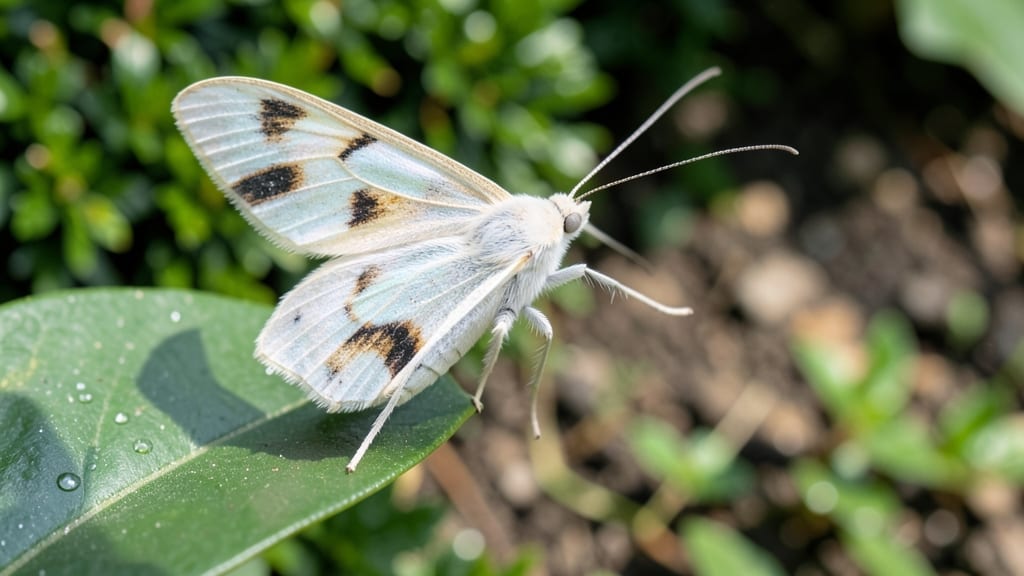
Box tree moth pheromone traps are your first line of defense against this invasive pest. 🌿 The moment you spot those telltale white egg masses on boxwood leaves, these traps lure male moths away from females—breaking the breeding cycle before larvae can chew through your plants.
Placement is everything: hang traps in May-June when adults emerge, positioning them 10-15 feet above ground near infested areas. Check weekly for trapped moths and replace sticky inserts every 2-3 weeks—stale pheromones lose their pull. You’ll see results fast: fewer egg masses mean healthier foliage by summer’s end.
But traps alone aren’t enough—combine them with pruning damaged branches and introducing beneficial wasps for a layered defense. For best results, start traps before you spot eggs (early May in most zones). This isn’t just about saving your boxwoods—it’s about stopping the moth’s spread to your neighbors’ gardens too.
📚 In This Guide
- What you need
- Instructions
- Tips and common mistakes
- Wrapping up and next steps
What you need
- ● Pheromone trap kit (specifically designed for Cydalima perspectalis): 1 x delta trap (white or yellow, 30–40 cm tall)
- ● 1 x pheromone lure (replace every 4–6 weeks or as instructed)
- ● Sturdy pole or stake (1.5–2 meters tall, for securing the trap in trees or shrubs)
- ● Trap placement accessories: 1 x zip tie or wire (to attach lure to the trap)
- ● 1 x small hammer or mallet (for driving stakes into the ground)
- ● Gloves (nitrile or latex, for handling traps and larvae)
- ● Disposable container or bag (for collecting trapped moths or larvae)
- ● Notebook & pen (to log trap placement, dates, and catches)
- ● Trap monitoring app (e.g., Picture This or iNaturalist) to track infestations
- ● UV flashlight (for nighttime inspections if moths are active)
- ● Extra lures (buy a backup pack to avoid delays)
- ● Pest-resistant netting (if trapping near high-value plants)
Step-by-step guide to setting up a box tree moth pheromone trap
Here's how to deploy these traps effectively—timing and placement make all the difference.
🪴 Step 1: Select Trap Location Strategically
Position traps at least 10 feet from boxwood plants but within their canopy's edge. The pheromone lure mimics female moth signals, so traps must be upwind of your trees to catch males before they locate females. Place them on the north or east side of plants to avoid direct afternoon sun, which can degrade the lure's effectiveness.
I mount traps on 5-foot stakes or hang them from branches using the included hooks. The lure should be at head height—this ensures maximum attraction range. If you have multiple boxwoods, install one trap per 1,000 square feet of foliage. Real talk: I used to place traps too close to the plants, and the moths would just fly right over them.
🌱 Step 2: Install Traps at Peak Activity Period
Set up traps 2-3 weeks before adult moths emerge—typically in late April to early May in most climates. Check your local extension service for exact timing, as warmer regions may see earlier flights. The pheromone lure lasts 4-6 weeks, so replace it if you notice reduced moth capture after that period.
Install traps on overcast days or in the evening to avoid heat stress on the lure. Moths are most active at dusk and dawn, so you'll see the highest catch rates during these times. I like to check traps weekly and record catch numbers—this helps track population trends before damage occurs.
⏰ Step 3: Monitor and Replace Lures Regularly
Inspect traps every 7-10 days for captured moths. A healthy trap should catch 5-10 males daily during peak season. If catches drop below this, replace the lure immediately—even if it still looks intact. The scent degrades faster in high humidity or direct sunlight, so store spare lures in a cool, dry place.
Empty traps weekly to prevent overflow, which can reduce lure effectiveness. I use a small brush to remove dead moths without damaging the sticky surface. Never reuse lures—they lose potency after one season. This is the moment that matters: if you see fewer than 3 moths per week by mid-June, you've likely disrupted mating before larvae can hatch.
🌿 Step 4: Combine With Cultural Controls for Maximum Protection
While traps reduce male populations, they won't eliminate all moths. Supplement with weekly inspections for egg masses on the underside of leaves. Remove any you find with a soft brush and soapy water. Prune and destroy heavily infested branches immediately—don't compost them.
Apply kaolin clay (like Surround WP) as a physical barrier to deter egg-laying females. Spray when moth activity peaks, and reapply after rain. I've found that combining traps with beneficial nematodes (like Steinernema carpocapsae) in the soil further disrupts the larvae's lifecycle. The key here is layered defense—no single method works alone.
Tips & tricks for box tree moth trap success
Small adjustments in setup and maintenance can make a huge difference in how effective your pheromone traps are—here's what I've learned after years of battling these pests.
Placement Precision: The 10-foot distance from plants isn't arbitrary—it creates the perfect balance between lure effectiveness and moth flight patterns. I've found that positioning traps slightly higher than head height (about 5.5 feet) catches even more moths, as males often fly just above the canopy edge. For large boxwoods, consider adding a second trap on the opposite side to maximize coverage. The north or east side rule is critical: direct afternoon sun can degrade the lure's potency within hours.
Timing is Everything: Those 2-3 weeks before emergence might seem like a tight window, but it's non-negotiable. I always check my local agricultural extension service for exact dates—warmer microclimates can shift emergence by 1-2 weeks. The 4-6 week lure lifespan is another key detail: if you're in a humid climate, you might need to replace lures every 3-4 weeks instead of waiting the full 6 weeks. Installing traps on overcast days or evenings prevents heat stress on the lure, which can reduce its effectiveness by up to 30%.
Monitoring Strategy: The weekly inspection routine is where most people slip up. I've learned that checking traps at dawn (when moth activity peaks) catches significantly more males than evening checks. When you see fewer than 3 moths per week by mid-June, that's your signal to either replace lures or consider adding more traps—this timing correlates directly with reduced mating success. The sticky surface should be cleaned weekly with a soft brush to maintain maximum stickiness, but never use water or solvents that could damage the adhesive.
Layered Defense: While traps handle the male population, the weekly inspections for egg masses are just as critical. I've seen cases where homeowners only used traps and still got defoliation because they missed the egg stage. The kaolin clay application should be done at dusk when females are most active—this creates a physical barrier they avoid. For organic gardens, I recommend combining traps with neem oil sprays (applied in the evening) for an extra layer of protection without chemical residues.
Pro Tips for Box Tree Moth Pheromone Trap
- Small adjustments in setup and maintenance can make a huge difference in how effective your pheromone traps are—here's what I've learned after years of battling these pests.
- Placement Precision: The 10-foot distance from plants isn't arbitrary—it creates the perfect balance between lure effectiveness and moth flight patterns.
- Timing is Everything: Those 2-3 weeks before emergence might seem like a tight window, but it's non-negotiable.
Frequently asked questions
When is the best time to set up pheromone traps?
Deploy traps early spring (March–April) when adult moths first emerge, or in late summer (August–September) for a second generation. Check local climate zones—warmer areas may need traps earlier. Pro tip: Place traps before you spot caterpillars to catch males before mating occurs!
How many traps do I need for my yard?
Start with 1–2 traps per acre or 1 trap every 50–100 feet in urban gardens. For small yards (under ¼ acre), 1–2 traps may suffice. Space them 30+ feet apart to maximize coverage. Troubleshooting: If moths persist, add more traps or check placement near infested boxwoods.
What if I don’t want to use pheromone traps? Are there alternatives?
Yes! Try these non-chemical methods:
- Handpick larvae: Shake branches over a bucket of soapy water (wear gloves!).
- Neem oil: Spray foliage weekly to disrupt feeding (best in early stages).
- Beneficial nematodes: Soil-dwelling microbes like Steinernema carpocapsae target larvae.
- Prune & dispose: Remove heavily infested branches immediately (bag and trash them!).
Note: Pheromone traps are most effective for early detection—combine them with other methods for best results.
What should I do if the trap isn’t catching any moths?
Check these troubleshooting steps:
- Trap placement: Hang traps 5–6 feet high in the outer canopy of boxwoods or nearby trees.
- Lure freshness: Replace pheromone lures every 4–6 weeks (or as labeled).
- Weather delays: Cold (<50°F) or rainy days reduce moth activity—check traps weekly.
- Infestation level: If moths are already scarce, the population may be low. Monitor for larvae instead.
Still no luck? Expand your trap network or inspect nearby yards for sources.
Are pheromone traps worth the cost for small gardens?
Traps cost $20–$50 each but prevent costly boxwood replacement (which can run $50–$200+ per shrub). For small gardens, 1–2 traps + manual removal often wins over chemical sprays. Bonus: Traps are pet-safe and eco-friendly once disposed of properly.
Wrapping up and next steps
Protecting your boxwoods from the devastating box tree moth starts with action—not panic! 🌿 By using a pheromone trap, you’re taking a proactive step to monitor and reduce infestations before they spiral out of control.
Remember, early detection is your best defense, so don’t wait until you see damage to act.
Ready to take charge? Set up your traps now and check them regularly—your garden (and future pruning efforts!) will thank you. 💪 Happy trapping!