
Pruning
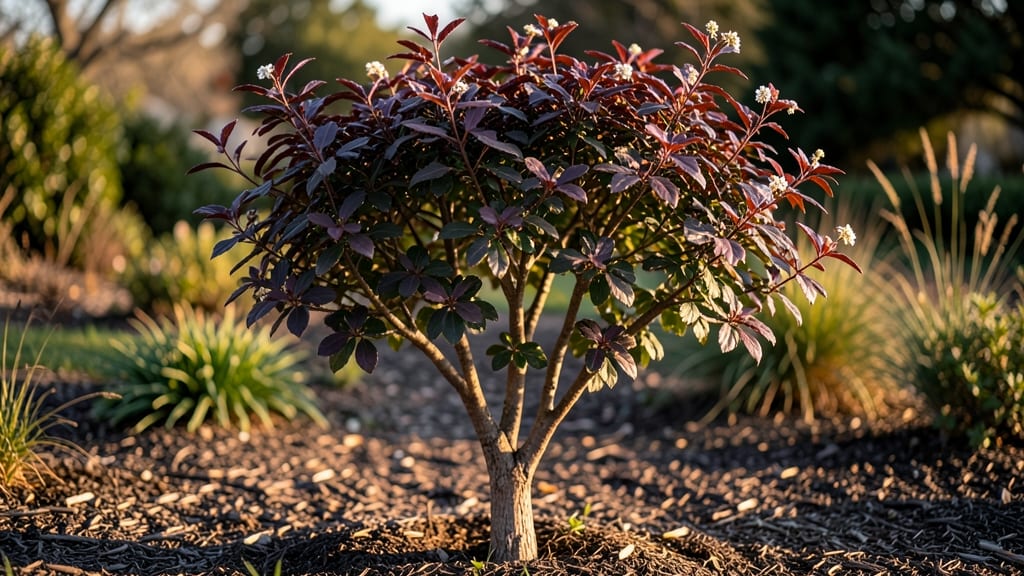
My tree form ninebark transformed from a scraggly shrub into a showstopping upright specimen after mastering this layered pruning technique. 🌿 The secret lies in strategic cuts that encourage dense branching from the ground up—no more bare stems or weak growth.
Start with well-draining soil and full sun, then prune in late winter before buds swell. Cut back one-third of the oldest stems to the ground each year, rotating which branches you remove.
This forces new shoots to emerge lower on the plant, creating that coveted tree-like shape with a full canopy of foliage. By summer, you'll see lush, layered branches blooming with white flowers and vibrant fall color.
The plant stays compact (6-8 feet tall) but wide enough to block unsightly views or anchor a garden border. It's the perfect low-maintenance focal point that thrives in zones 3-8. Pair it with dwarf conifers for contrast or hostas at the base for texture.
Avoid over-fertilizing—ninebark prefers lean soil and blooms best when slightly stressed. The key is patience: full tree form takes 3-4 years of consistent pruning, but the payoff is worth every cut.
📚 In This Guide
- What you need
- Instructions
- Tips and common mistakes
- Wrapping up and next steps
What you need
- ● Pruning shears: Sharp, bypass-style shears (for clean cuts on small branches). Quantity: 1 pair.
- ● Loppers: For thicker branches (½"–1½" diameter). Quantity: 1 pair.
- ● Pruning saw: Curved-tooth saw for branches >1½" in diameter. Quantity: 1.
- ● Gloves: Heavy-duty, cut-resistant gloves to protect your hands. Quantity: 1 pair.
- ● Disinfectant: 70% isopropyl alcohol or rubbing alcohol to sterilize tools between cuts. Quantity: Small bottle.
- ○ Pruning sealant: Optional but recommended for large cuts (>½") to prevent disease. Quantity: Small tube.
- ● Ladder or stool: Sturdy and tall enough to reach the tree’s canopy safely. Quantity: 1.
- ● Trash bags: For collecting pruned branches. Quantity: 2–3.
- ● Notebook & pen: To sketch your pruning plan and track progress.
- ● Knowledge: Familiarize yourself with tree form ninebark growth habits and layered pruning techniques (watch tutorials or read guides!).
- ● Timing: Prune in late winter or early spring (before new growth) for best results.
- ● Safety gear: Safety glasses and long sleeves to protect against debris or sap.
- ● Weather check: Choose a dry, calm day to avoid slippery ladders or spreading disease.
Step-by-Step guide to pruning ninebark for a lush tree form
This method transforms ninebark from a shrub into a stunning small tree with layered branches and vibrant blooms.
✂️ Step 1: Choose the Right Time for First Pruning
Wait until late winter or early spring—just before new growth starts but after the worst cold snaps. Ninebark blooms on old wood, so prune right after flowering if you want to maintain those spring blooms. The key is to work when the plant is dormant but about to wake up.
Look for last year's growth—it's the thickest stems with peeling bark. These will form your tree's main structure. Avoid cutting into the center where branches crowd; this creates a hollow trunk and weak structure. Use clean, sharp pruners to make 45-degree cuts just above a bud or branch collar.
🌿 Step 2: Select and Train the Main Trunk
Identify the straightest, strongest stem—this will be your tree's trunk. Remove all competing stems at the base, cutting them off flush with the ground. You'll end up with one central leader (main upward-growing branch). If you have multiple strong stems, choose the one with the best upward angle.
Leave 3-4 strong side branches spaced 12-18 inches apart along the trunk. These will form your first layer. Prune any branches growing inward or crossing others—these create weak points and crowding. The goal is to create a pyramid shape with the widest part at the top.
☀️ Step 3: Layer Pruning for Density and Bloom
Over the next 2-3 years, add two more layers of branches to create a full, tree-like canopy. In year 2, select 3-4 new branches below your first layer, spaced 12-18 inches apart. Prune them back to half their length to encourage bushier growth. This creates your second layer.
Repeat in year 3 with a third layer, this time spacing branches 8-12 inches apart. Always prune just above an outward-facing bud to encourage branches to grow away from the trunk. Thin out any branches that grow too close together—you want good air circulation to prevent disease.
⏰ Step 4: Annual Maintenance for Shape and Health
Every late winter or early spring, remove dead, diseased, or crossing branches first. Then, lightly shape the tree by trimming back any branches that grew too long over the past year. Cut just above a leaf bud or side branch to encourage new growth in the right direction.
Watch for suckers—those weak shoots sprouting at the base. Remove them immediately to keep energy flowing into your tree form. If you notice branches growing inward, prune them out before they block light from reaching the center. A well-maintained ninebark tree should have open, layered branches with vibrant peeling bark and abundant blooms.
🌱 Step 5: Encourage Blooms with Strategic Pruning
To maximize spring flowers, avoid heavy pruning in fall or winter—this removes next year's blooms. Instead, focus on light shaping in late winter. If you prune after flowering, you can be more aggressive, but you'll sacrifice some blooms. For a heavy bloom display, stick to light pruning in late winter and minimal shaping after flowers fade.
Fertilize lightly in early spring with a balanced 10-10-10 formula to support new growth. Water deeply once a week during dry spells, but avoid overwatering—ninebark is drought-tolerant once established. With proper pruning, your tree form ninebark will develop a stunning, layered canopy with years of vibrant blooms and peeling bark.
Tips & tricks for perfect tree form ninebark
Transforming ninebark into a tree form takes patience—but these tricks will help you avoid common pitfalls and create a stunning structure.
Timing is Everything: The late winter/early spring window is non-negotiable for first-time pruning. If you miss this, wait until right after flowering to preserve spring blooms. I've seen people prune too early and end up with leggy growth—always check for those dormant-but-ready-to-wake-up buds before cutting. The key is working when the plant is just starting to show life, not when it's still completely dormant.
Branch Selection Strategy: When choosing your central leader in Step 2, look for a stem that's at least 12 inches tall with a straight upward angle. I've made the mistake of picking a slightly crooked stem that looked strong—by year 3, it created an awkward bend. For side branches, prioritize those growing at a 45-degree angle from the trunk; these will grow outward naturally and create that beautiful pyramid shape.
Layering Made Easy: For your second and third layers, don't be afraid to be aggressive with pruning—cutting branches back to half their length forces the plant to put energy into bushier growth. I've found that spacing branches 8-12 inches apart in the final layer creates the perfect balance between density and airflow. Too close, and you'll get crowded growth; too far, and you'll have gaps. Think of it like arranging furniture in a living room—everything should have room to breathe but still feel connected.
Tool Maintenance: Your pruners are more important than you might think. After each use, wipe them clean with rubbing alcohol to prevent sap buildup, then lightly oil the blades. I learned this the hard way when my pruners got gummed up mid-pruning—now I keep a small bottle of alcohol in my gardening toolbox. Sharp tools make clean cuts that heal faster, preventing disease and encouraging stronger regrowth.
Pro Tips for Tree Form Ninebark
- Transforming ninebark into a tree form takes patience—but these tricks will help you avoid common pitfalls and create a stunning structure.
- Timing is Everything: The late winter/early spring window is non-negotiable for first-time pruning.
- Branch Selection Strategy: When choosing your central leader in Step 2, look for a stem that's at least 12 inches tall with a straight upward angle.
Frequently asked questions
Got questions about growing and pruning tree form ninebark? You’re not alone! Here are answers to the most common ones—plus pro tips to keep your shrub thriving.
When is the best time to prune tree form ninebark for maximum blooms?
Prune right after flowering (late spring to early summer) to encourage dense, layered growth. Avoid heavy pruning in fall or winter—it can stimulate tender new growth that may frost damage. For shaping, do light trims in late winter (before buds swell) to avoid cutting off next year’s blooms.
How do I prune for a fuller, tree-like canopy?
Start by removing dead or crossing branches at the base. Then, cut back one-third of the oldest stems to the ground to rejuvenate. For layering, select 3–5 strong vertical branches and prune side branches to create a tiered look. Use sharp shears to make clean cuts just above outward-facing buds.
Why isn’t my ninebark blooming as much as it used to?
Over-pruning or cutting back too late in the season (after July) can reduce blooms. Also, check for nutrient deficiencies (yellow leaves = nitrogen) or poor drainage (root rot risk). If stems are woody and sparse, it may need a rejuvenation prune—cut back ⅓ of the oldest growth annually.
Can I grow tree form ninebark in full sun or shade?
Ninebark thrives in full sun (6+ hours/day) for best blooms and vibrant foliage, but it tolerates partial shade (4–6 hours). In hot climates, morning sun + afternoon shade prevents leaf scorch. Avoid deep shade—it leads to leggy growth and fewer flowers.
What’s a good alternative if I want a similar look but lower maintenance?
Try ‘Diablo’ ninebark (dwarf variety, 3–4 ft tall) or serviceberry (Amelanchier) for layered canopies with white blooms. For a tree-like shrub with minimal pruning, consider smokebush (Cotinus)—it’s drought-tolerant and has feathery plumes. Both need less aggressive trimming than standard ninebark.
Pro tip: Mark branches to prune with twist ties in winter—it helps visualize your tree form before cutting!
Wrapping up and next steps
Transforming your tree form ninebark into a lush, blooming masterpiece is totally within reach—with patience, the right tools, and a steady hand! 🌿 The key takeaway? Layered pruning isn’t just about trimming; it’s about sculpting a balanced, vibrant canopy that thrives year after year.
Start small, observe your plant’s growth, and soon you’ll be rewarded with stunning foliage and cascading blooms that turn heads in your landscape.
Ready to roll up your sleeves? Grab your pruners and schedule your next pruning session—spring or early summer is prime time! 🌸 And if you’re feeling ambitious, why not experiment with different pruning techniques to see what works best for your ninebark? Happy pruning!