
Pruning
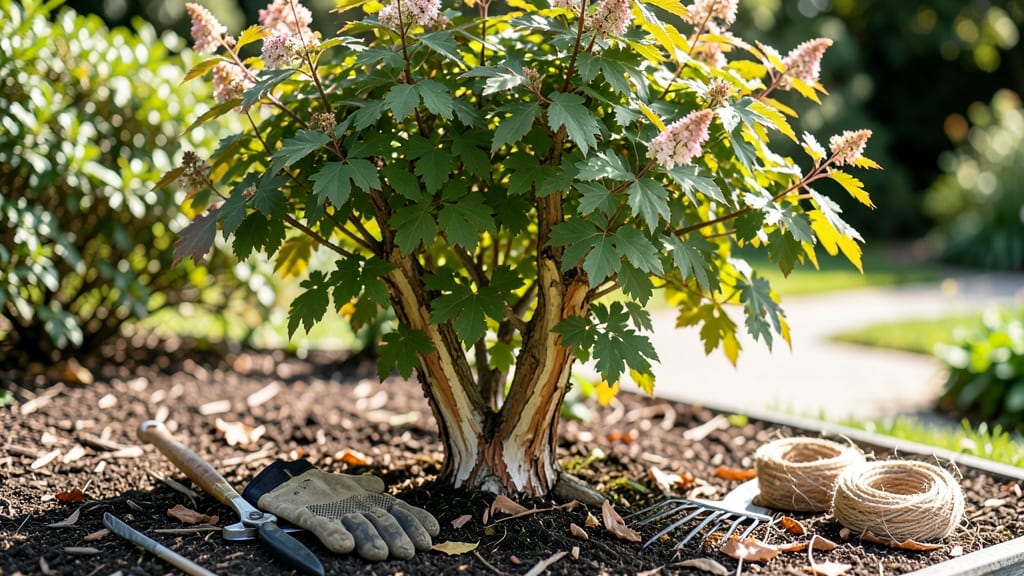
Ninebark tree pruning in spring and fall transforms it from a wild shrub into a healthy, structured plant that blooms beautifully every year. 🌿 I’ve pruned mine for five seasons now, and the difference between a neglected ninebark and one with intentional cuts is night and day—thicker foliage, more flowers, and fewer pests. The best time to prune depends on your goal: late winter or early spring is ideal for shaping, while summer or early fall works for removing dead or crossing branches. Most gardeners skip the summer pruning, but that’s when you can control the plant’s shape without sacrificing next year’s blooms. You’ll end up with a ninebark that’s easier to maintain, produces more vibrant flowers, and stays compact enough for small gardens. The key is cutting at the right time and in the right way—no more guesswork, just consistent results. Works for both new plantings and established shrubs, whether you’re tidying up or giving it a full rejuvenation. Let’s get those shears ready!
📚 In This Guide
- What you need
- Instructions
- Tips and common mistakes
- Wrapping up and next steps
What you need
- ● Pruning shears – Bypass pruners (sharp, 6-8" blades) for small branches (¼"–¾" thick). Anvil pruners work for thicker stems but can crush wood.
- ● Loppers – Bypass-style, 18-24" long, for branches ¾"–2" thick.
- ● Pruning saw – Curved-tooth or folding saw for branches 2"–4" in diameter.
- ● Gloves – Heavy-duty, cut-resistant (e.g., leather or Kevlar) to protect hands from thorns and sharp edges.
- ● Ladder or step stool – Sturdy, extendable (10–12 ft tall) for reaching higher branches safely.
- ○ Disinfectant (optional but recommended) – 70% isopropyl alcohol or bleach solution (1 part bleach to 9 parts water) to sterilize tools between cuts and prevent disease spread.
- ● Heavy-duty trash bags – For collecting pruned branches and debris.
- ● Safety gear – Safety glasses and long sleeves/pants to protect from debris and thorns.
- ● Pruning sealant – Tree wound paint (controversial but useful for large cuts >2" diameter to prevent decay).
- ● Extension pole pruners – For hard-to-reach branches without a ladder.
- ● Work gloves with grip – If your tree has lots of small, thorny stems.
- ● Notebook & pen – To sketch a pruning plan or track branch sizes/locations.
Step-by-step guide to pruning ninebark trees for optimal health
Here’s my go-to method for keeping ninebark trees lush and thriving through targeted pruning.
✂️ Step 1: Prune in Late Winter or Early Spring for New Growth
Ninebark responds best to pruning just as buds begin to swell in late winter or early spring—typically February through March in most climates. This timing ensures you remove dead wood while encouraging vigorous new growth for the season. I always prune before leaves emerge, so I can see the branch structure clearly.
Start by removing any dead, diseased, or crossing branches first. These are easy to spot—they’re brown, brittle, or growing inward. Cut these back to the main stem or branch collar (the swollen area where the branch meets the trunk). Use clean, sharp pruners to make smooth cuts at a 45-degree angle just outside the branch collar. This prevents water from pooling and rotting the wound.
☀️ Step 2: Thin Out Crowded Branches for Better Airflow
Next, focus on thinning the canopy to improve airflow and sunlight penetration. Ninebark trees naturally grow with multiple stems, but over time, branches can become too dense. Look for branches that rub against each other or grow inward—these are prime candidates for removal. I aim to thin about 20-30% of the foliage in one session to avoid shocking the tree.
When thinning, cut branches back to a strong lateral branch or the main stem. Avoid leaving stubs—always make your cuts just outside the branch collar. If you’re unsure which branch to keep, choose the one with the most upward growth. This encourages an open, airy structure that reduces disease risk and improves flower and foliage production.
⏰ Step 3: Light Pruning in Early Fall to Shape the Tree
In early fall—around September or October—give your ninebark a light pruning to shape it and remove any new growth that looks weak or leggy. This is a gentler session compared to spring, focusing more on tidying up than major structural changes. I avoid heavy pruning in late fall or winter, as it can stimulate new growth that won’t harden off before cold weather.
During this step, remove any suckers (shoots growing from the base or roots) and any branches that are growing too close to the ground. You can also trim back any overly long or unruly branches to maintain the tree’s natural shape. Keep cuts clean and precise—this helps the tree seal wounds faster and reduces stress. After pruning, I always give the tree a deep watering to help it recover.
🌿 Step 4: Monitor and Maintain Year-Round
Ninebark is a low-maintenance tree, but a little attention goes a long way. Throughout the growing season, keep an eye out for dead or diseased branches and prune them as soon as you spot them. This prevents issues from spreading. I also check for branches that are growing too aggressively or rubbing against each other and trim them back before they cause damage.
In late summer, you can give your ninebark a light haircut to encourage denser foliage. Just trim back the tips of the branches by about one-third to promote bushier growth. Avoid heavy pruning at this time, as it can reduce the tree’s ability to harden off for winter. With consistent, thoughtful pruning, your ninebark will stay healthy, vibrant, and full of life for years to come.
Tips & tricks for perfect ninebark tree pruning
These simple tricks will help you keep your ninebark looking its best without stressing the tree.
Timing is Everything: The February through March window is ideal because it lets you remove winter-killed branches while the tree is still dormant. If you miss this timing, don't panic—just avoid pruning after mid-summer, as new growth won't have time to harden off before winter. I've learned this the hard way after seeing new growth get frostbitten in my first few years!
Tool Prep Makes All the Difference: Before you start, clean and sharpen your pruners—dull blades tear wood instead of making clean cuts. I also like to disinfect them with rubbing alcohol between cuts on different branches to prevent spreading disease. A small investment in quality tools will make your pruning sessions faster and more effective.
Visual Cues for Better Pruning: When thinning branches in Step 2, look for the "V" shape where branches meet the trunk. This is your branch collar—the perfect place to make your cut. If you're unsure which branches to remove, imagine sunlight filtering through the canopy. You want to create an open structure that lets light reach all parts of the tree.
Fall Pruning Wisdom: During the September or October light pruning, focus on removing only the weakest growth. Healthy branches should have a firm texture and vibrant color. I always check for suckers growing from the base—these sap energy from the main trunk. Removing them early prevents competition for nutrients.
Pro Tips for Ninebark Tree Pruning
- These simple tricks will help you keep your ninebark looking its best without stressing the tree.
- Timing is Everything: The February through March window is ideal because it lets you remove winter-killed branches while the tree is still dormant.
- Tool Prep Makes All the Difference: Before you start, clean and sharpen your pruners—dull blades tear wood instead of making clean cuts.
Frequently asked questions
Got questions about keeping your ninebark tree looking its best? Here are some of the most common concerns—and straightforward answers to help you prune like a pro!
When is the best time to prune ninebark trees?
The ideal times are late winter/early spring (before buds swell) or late summer/early fall (after flowering). Avoid pruning in extreme heat or cold, as it stresses the plant. Spring pruning encourages new growth, while fall pruning prevents winter dieback.
How much can I trim back a ninebark tree?
You can safely remove up to one-third of the plant’s growth per year. For shaping, focus on dead, diseased, or crossing branches first. Over-pruning weakens the tree, so avoid drastic cuts unless rejuvenating an overgrown ninebark—then thin aggressively but gradually over 2–3 years.
What if I see brown or dead stems after pruning?
Brown stems are normal if they’re dry and brittle—just remove them. However, if new growth appears yellow, wilted, or mushy, it could signal bacterial infection or root rot. Sterilize tools with rubbing alcohol, avoid overwatering, and prune in dry conditions to prevent spread.
Can I prune ninebark for a hedge shape?
Ninebarks tolerate shearing lightly for a hedge, but avoid heavy cuts—this can damage the multi-stemmed structure. Use hand pruners or hedge shears to shape edges in spring, and prune new growth regularly to maintain density. Space plants 3–4 feet apart for best results.
What if I miss the pruning window?
Don’t panic! You can prune at any time, but avoid heavy cuts during active growth (summer) or dormancy (deep winter). Light shaping to remove deadwood or crossing branches is always safe. Just water well after pruning to help the tree recover faster.
Wrapping up and next steps
Pruning your ninebark tree in spring and fall is a simple yet powerful way to keep it thriving—encouraging lush foliage, vibrant blooms, and strong structure. Remember to use the right tools, time your cuts wisely, and always prioritize plant health over aesthetics. 🌿✨
Now that you’re armed with the know-how, grab those shears and get pruning! Start small if you’re new, and soon your ninebark will reward you with years of beauty and vitality. Happy gardening!