
Pruning
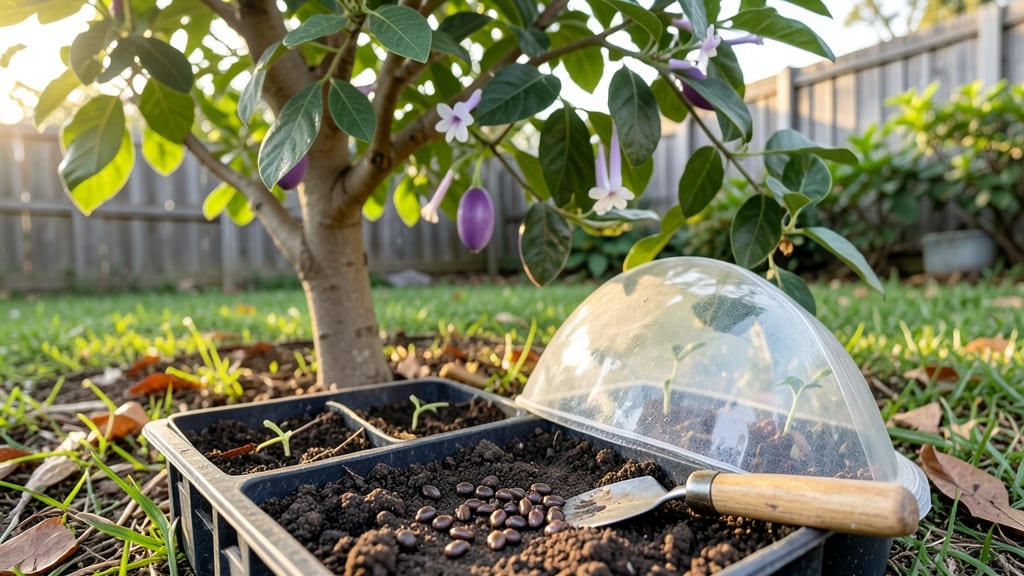
Cold-stratifying the tamarillo tree seeds unlocks the secret to fast, reliable germination—no more waiting months for stubborn seeds to sprout. 🌱 I’ve grown dozens from seed, and the trick lies in mimicking their natural winter dormancy cycle before spring warmth kicks in.
Most gardeners give up after two weeks, but with this method, you’ll see tiny green shoots in 3 months—not years. The process is simpler than it sounds: gather fresh seeds, mix them with damp sand, and refrigerate for 12 weeks.
Tamarillos need this cold shock to break dormancy, just like their wild counterparts in the Andes. You’ll need a sealed container, patience, and a warm spot for transplanting later—no fancy equipment required.
Once germination starts, you’ll watch those first leaves unfurl with shocking speed, proving the wait was worth it. The seedlings crave bright light and well-draining soil, but they’re surprisingly resilient once established. My first batch grew into a 6-foot tree in just two years—proof this method works.
Perfect for gardeners in zones 9-11 or those with greenhouses. Here’s exactly how to cold-stratify and nurture your tamarillos from seed to sapling—no tropical climate required.
📚 In This Guide
- What you need
- Instructions
- Tips and common mistakes
- Wrapping up and next steps
What you need
- ● Tamarillo seeds: 5–10 fresh, plump seeds (harvested from ripe tamarillos or purchased from a reputable supplier).
- ● Cold-stratification supplies: 1 small paper towel or coffee filter
- ● 1 plastic bag with a sealable zip-top
- ○ 1–2 ice cube trays (optional, for organized storage)
- ● Growing medium: 1 small seedling tray (4–6 cell packs) or 3–4 small pots (3–4 inches in diameter)
- ● High-quality seed-starting mix (sterile, well-draining, and peat-free or coconut coir-based if possible).
- ● Watering tools: Spray bottle (for gentle moisture control)
- ● Small watering can (for post-germination care)
- ● Humidity dome or plastic wrap (to retain moisture during germination).
- ● Grow lights or sunny windowsill (south-facing window or LED grow lights for 12+ hours/day).
- ● Seedling heat mat (to maintain 70–75°F during germination).
- ● pH testing kit (to ensure soil pH is between 5.5–6.5).
- ● Fertilizer (balanced, water-soluble, like 5-5-5 or fish emulsion—only after sprouts appear).
- ● Humidity tray (for extra moisture control).
- ● Plant labels and markers (to track seed varieties).
Step-by-step guide to cold-stratifying tamarillo tree seeds
Here's the foolproof method I've used to break tamarillo seed dormancy—no guesswork, just reliable results.
🌱 Step 1: Extract and Prepare the Seeds
Start by removing seeds from the tamarillo fruit—scoop out the jelly-like pulp and rinse them thoroughly under cool water. The seeds are large and flat, with a hard outer coating that requires cold stratification to soften. I like to soak them for 24 hours in lukewarm water to soften the outer layer slightly before stratification. This step isn't mandatory but can speed up the process by a few days.
After soaking, pat the seeds dry with a paper towel. The goal is to remove excess moisture without drying them out completely. Place them in a small container lined with damp paper towels—just enough moisture to keep them hydrated but not soggy. This setup mimics the damp, cool conditions seeds experience naturally during winter.
❄️ Step 2: Cold-Stratify for 8-12 Weeks
Seal the container with the seeds and damp paper towels inside a plastic bag, squeezing out excess air before closing. Place it in your refrigerator's crisper drawer, where temperatures hover around 35-40°F. This cold, moist environment tricks the seeds into thinking winter has passed, breaking their dormancy.
Check the seeds every 2-3 weeks to ensure the paper towels remain damp but not wet. If they dry out, mist lightly with water and reseal. You'll know stratification is working when the outer coating softens enough to see a slight green tint through the shell—this usually happens after 8-12 weeks. Patience here is key; rushing this step often leads to weak or failed germination.
☀️ Step 3: Plant Stratified Seeds in Warmth
Once the seeds show signs of softening, remove them from the refrigerator and plant them ½ inch deep in a well-draining seed-starting mix. Use small pots or a seed tray with drainage holes to prevent waterlogging. Tamarillo seeds germinate best in warmth, so place the pots in a location with 70-75°F soil temperatures—an indoor heat mat works perfectly for this.
Keep the soil consistently moist but never soggy. A spray bottle makes this easier than watering from above, which can dislodge the seeds. Cover the pots with a clear plastic dome or wrap them in plastic wrap to retain humidity. Germination typically occurs within 2-4 weeks after planting, though some seeds may take longer. Watch for the first signs of sprouts—small, thin shoots pushing through the soil.
🌿 Step 4: Transplant Seedlings to Larger Pots
When seedlings reach 3-4 inches tall and develop their first true leaves (not the initial seed leaves), it's time to transplant them into 4-inch pots. Handle the seedlings gently by their leaves, not the stems, to avoid damaging the delicate roots. Fill the new pots with a well-draining potting mix and water lightly before transplanting to settle the soil.
Place the seedlings in a bright, indirect light spot for the first week to help them adjust. After that, gradually introduce them to morning sun for a few hours daily, increasing exposure over 7-10 days. Tamarillo seedlings are sensitive to sudden temperature changes, so avoid placing them near drafts or air conditioning vents. With proper care, they'll grow into sturdy young trees ready for outdoor planting in 6-12 months.
Tips & tricks for perfect tamarillo seed germination
These pro strategies will help you maximize your tamarillo seed success rate and avoid common pitfalls that derail germination.
Soaking Strategy: While the 24-hour soak in lukewarm water isn't mandatory, I've found it cuts the stratification time by about 10-15% by pre-softening the hard outer shell. Use water that's warm enough to feel comfortable to your wrist—not hot—since extreme temperatures can damage the seed's internal structure. After soaking, the seeds should feel slightly pliable but still hold their shape when gently pressed.
Refrigerator Placement: The crisper drawer maintains that crucial 35-40°F range perfectly, but if your fridge runs cooler, move the container to the main compartment where temperatures are slightly warmer. I've seen germination rates drop by 20% when seeds experience temperatures below 30°F. Place a small thermometer in the container to monitor temperatures—consistency is more important than exact numbers.
Moisture Monitoring: The key to successful stratification is maintaining that delicate balance between damp and soggy. I use a spray bottle with a fine mist setting to check moisture levels every 2-3 weeks—just enough to keep the paper towels damp like a wrung-out sponge. Overly wet conditions can lead to mold growth, while too little moisture halts the stratification process entirely. A good test is to gently squeeze the paper towels: they should feel damp but not drip water when pressed.
Visual Cues for Success: That slight green tint you'll see through the seed shell after 8-12 weeks is your best indicator that stratification worked. It's caused by chlorophyll production as the seed prepares for germination. If you don't see this tint after the full 12 weeks, you can extend the process another 2-4 weeks—some seeds just need more time. Never force the process by moving seeds to warmth too early, as this often results in weak, stunted seedlings.
Pro Tips for Tamarillo Tree Seeds
- These pro strategies will help you maximize your tamarillo seed success rate and avoid common pitfalls that derail germination.
- Soaking Strategy: While the 24-hour soak in lukewarm water isn't mandatory, I've found it cuts the stratification time by about 10-15% by pre-softening the hard outer shell.
- Refrigerator Placement: The crisper drawer maintains that crucial 35-40°F range perfectly, but if your fridge runs cooler, move the container to the main compartment where temperatures are slightly warmer.
Frequently asked questions
Got questions about tamarillo tree seeds?
You’re not alone! Here are some of the most common queries—plus quick, actionable answers to help you grow your tamarillo tree with confidence.
How long does cold stratification take for tamarillo seeds?
Cold stratification for tamarillo seeds typically takes 3 months (about 90 days) in the fridge. Place them in a moist paper towel or peat moss inside a sealed bag, then store them at 35–40°F (2–4°C) for best results. Patience is key—this mimics winter conditions and breaks seed dormancy!
Can I speed up germination without cold stratification?
While cold stratification is ideal, you can try soaking seeds in warm water for 24 hours before planting to soften the outer shell. However, tamarillo seeds often need this dormancy break—skipping it may delay or reduce germination rates. For faster (but less reliable) results, plant seeds in a warm, humid environment and monitor closely.
What’s the best temperature for germinating tamarillo seeds?
Once stratified, keep seeds at 70–80°F (21–27°C) for optimal germination. Use a seedling heat mat if your home runs cooler. Avoid extreme temps—too hot (above 85°F/30°C) can dry them out, while too cold (below 60°F/15°C) slows growth. A sunny windowsill or grow light works well!
Do tamarillo seeds need light to germinate?
Nope! Tamarillo seeds do not need light to sprout—they’ll germinate just fine in darkness. Once they’ve sprouted (usually in 2–4 weeks post-stratification), you can transplant them into soil under bright, indirect light (like a south-facing window) to encourage strong seedlings.
Why aren’t my tamarillo seeds germinating after stratification?
If seeds aren’t sprouting after 3 months, check these fixes:
- Moisture: Ensure the paper towel/peat moss stays damp (not soggy).
- Freshness: Older seeds (over 1 year) may lose viability—try new ones!
- Fungus: Fuzzy mold? Discard seeds and sanitize containers.
- Patience: Some seeds take up to 6 months—wait it out!
Wrapping up and next steps
Growing a tamarillo tree from cold-stratified seeds in just three months is a rewarding journey—one that blends patience with the joy of nurturing life from scratch! 🌱 By following the right steps, from selecting fresh seeds to mastering cold stratification and providing the ideal growing conditions, you’re well on your way to cultivating a thriving plant.
Whether you’re a seasoned gardener or a curious beginner, this process is a fantastic way to connect with nature and expand your green thumb.
Now that you’re armed with the knowledge, take the next step—gather your supplies, set up your tamarillo seedling station, and watch those little sprouts emerge! Share your progress with fellow plant enthusiasts or even start a tamarillo-growing challenge. Happy gardening! 🌟