
Pruning
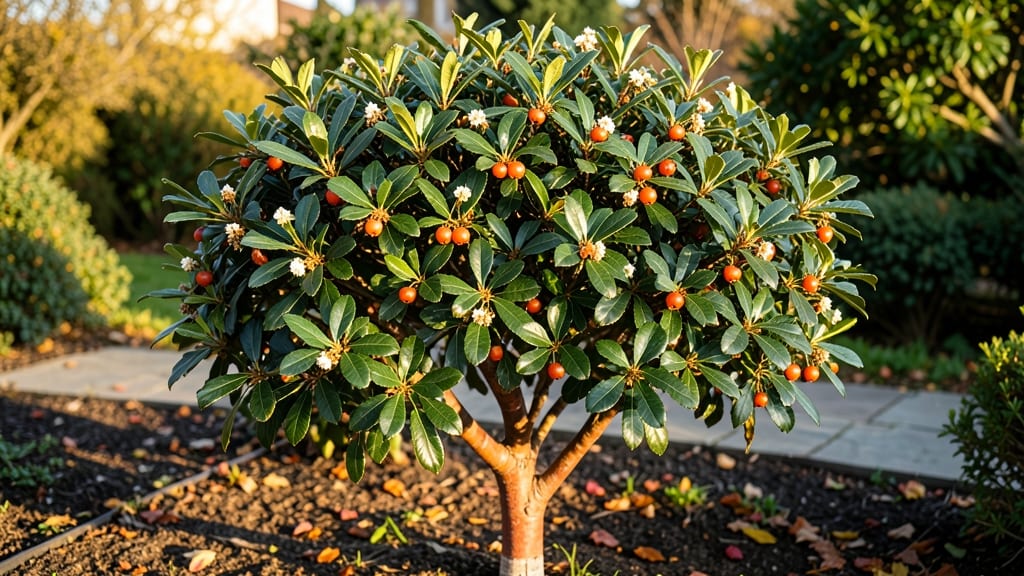
When your strawberry tree trunk looks weak or diseased, it’s time to prune strategically. 🌱 The right cuts encourage stronger branching and healthier growth—before problems spread.
I’ve fixed my share of struggling trees by focusing on the trunk first, and the results speak for themselves: thicker stems, more berries, and a tree that lasts for years.
Start by inspecting the trunk for cracks, oozing sap, or unusual discoloration—these are red flags for disease or pest damage. Use clean, sharp pruning shears to make cuts just outside damaged areas, but never remove more than 25% of the trunk’s thickness at once.
The goal is to stimulate new growth without stressing the tree further.
After pruning, apply a thin layer of tree wound sealant to larger cuts to prevent infection. Keep the base of the trunk clear of mulch or debris, as moisture trapped here invites rot.
Within 4-6 weeks, you should see fresh green shoots emerging—proof the tree is healing and branching out stronger.
This method works for both young and mature strawberry trees, though older trunks may need gentler adjustments. The key is patience: prune in late winter or early spring when the tree is dormant, and avoid heavy cuts during hot or cold spells.
Your tree will thank you with a fuller canopy and better berry production next season.
📚 In This Guide
- What you need
- Instructions
- Tips and common mistakes
- Wrapping up and next steps
What you need
- ● Pruning shears – Bypass pruners (sharp, 6-8" blades) for clean cuts on small branches.
- ● Loppers – Long-handled (24-30") for thicker branches (½" to 1.5" in diameter).
- ● Pruning saw – Curved-tooth blade for branches thicker than 1.5".
- ● Gloves – Heavy-duty, cut-resistant (e.g., leather or reinforced fabric).
- ● Disinfectant – 70% isopropyl alcohol or bleach solution (1 part bleach:9 parts water) to sterilize tools between cuts.
- ● Rubbing alcohol or hand sanitizer – For cleaning hands after pruning.
- ○ Pruning sealant – Optional but helpful for sealing large cuts (e.g., tree wound paint).
- ● Tarp or drop cloth – To collect debris and protect the ground.
- ● Ladder or step stool – Sturdy and tall enough to reach higher branches safely.
- ● Sharpener – For keeping pruning tools in top condition.
- ● Safety glasses – To protect eyes from debris.
- ● Work boots or closed-toe shoes – For stability and foot protection.
- ● Garden twine or zip ties – For securing branches that need temporary support.
- ● Notebook & pen – To sketch a pruning plan or track progress.
How to prune a strawberry tree for thicker, fruitful trunks
Here’s the method I’ve used to transform leggy strawberry trees into sturdy, well-branched plants bursting with fruit.
✂️ Step 1: Time Your Pruning for Maximum Regrowth
Prune your strawberry tree in early spring, just as new growth begins but before buds swell. This timing ensures the plant directs energy into developing strong branches rather than flowering too early. Avoid pruning in fall or winter—you’ll risk exposing fresh cuts to disease or frost damage.
Look for tender green tips on the main trunk and largest branches. These signal the tree is waking up from dormancy and ready to respond to pruning. If you see buds already swelling, wait 2-3 weeks—pruning too early can shock the plant.
✂️ Step 2: Identify and Remove Weak Growth
Start by examining the trunk and main branches for water sprouts—thin, upright stems growing straight out from the trunk or larger limbs. These compete with your tree for nutrients and rarely produce fruit. Use clean, sharp pruning shears to cut them back to their base, making cuts at a 45-degree angle just above a leaf node or bud.
Next, target crossing or rubbing branches—any limbs that intersect or press against each other. These create wounds where disease can enter and weaken the tree. Remove the smaller of the two branches at its point of origin. You’ll know you’ve done this right when the tree’s canopy opens up, allowing sunlight to reach the center.
✂️ Step 3: Thin Out Overcrowded Branches
Focus on the main scaffold branches—the largest limbs emerging from the trunk. Aim to space them 8-12 inches apart along the trunk. If branches are too close, they’ll shade each other and produce fewer berries. Select the strongest, healthiest branches and prune the weaker ones back to their origin.
Watch for dead or diseased wood—branches with blackened, shriveled leaves or oozing sap. Cut these out completely, then sterilize your shears with rubbing alcohol to prevent spreading pathogens. You’ll notice the tree’s structure becomes more open, which improves airflow and reduces humidity-related issues like powdery mildew.
🌿 Step 4: Encourage New Branches with Strategic Cuts
To thicken the trunk and encourage more fruiting branches, make heading cuts on the remaining limbs. Choose mature branches (at least ½ inch thick) and cut back to a strong lateral branch or outward-facing bud. This forces the tree to send out new growth from the cut point, creating a bushier form.
For the main trunk, look for dormant buds along the sides. If the trunk is bare for more than 6 inches, prune just above a bud to stimulate branching. Avoid cutting into old, hardened wood—new growth won’t form there. Within 4-6 weeks, you’ll see fresh green shoots emerging from the cut points, signaling successful regrowth.
💧 Step 5: Post-Pruning Care for Rapid Recovery
After pruning, water the tree deeply to help it recover from the stress of cutting. Focus on the root zone, applying 1-2 gallons of water depending on soil dryness. Avoid wetting the leaves to prevent fungal issues. Mulch around the base with 2-3 inches of organic mulch (like shredded bark) to retain moisture and regulate soil temperature.
Monitor the tree closely for the next 2 weeks. If you notice wilting or yellowing leaves, it’s a sign of shock—reduce watering slightly and provide morning sun while shielding from harsh afternoon rays. By late spring, you should see new leaves unfurling from the pruned areas, confirming the tree is healing and preparing for a productive season.
Tips & tricks for perfect strawberry tree pruning
Here's what nobody tells you about transforming your leggy strawberry tree into a fruit powerhouse.
Timing is Everything: Early spring is your golden window because that's when the tree's energy shifts from dormancy to growth. I've seen people prune too late and end up with weak regrowth. Look for those tender green tips—those are your cue that the tree is ready. If you're unsure, wait until you see buds swelling, then hold off for those 2-3 weeks to avoid shocking the plant.
Tool Prep Matters: Your pruning shears should be sharper than your focus on the task. Dull blades crush stems instead of making clean cuts, which invites disease. I sterilize my shears with rubbing alcohol between every 3-4 cuts when dealing with diseased wood. This small step prevents spreading pathogens that could ruin your entire tree's recovery.
Visual Cues for Success: When you're spacing those scaffold branches 8-12 inches apart, imagine sunlight filtering through—this is your goal. The moment you see the canopy open up and sunlight reach the center, you've done it right. For heading cuts, look for those outward-facing buds—they'll give you the best angle for new growth. Within 4-6 weeks, you should see fresh green shoots emerging from your cut points as proof you're on the right track.
Post-Pruning Recovery Hack: That deep watering isn't just about hydration—it's about signaling to the tree that it's safe to focus on recovery. I've found that adding 1-2 gallons of water right after pruning helps the roots absorb nutrients faster. The mulch layer acts like a blanket, keeping the roots warm and moist while the tree puts its energy into new growth rather than stress responses.
Pro Tips for Strawberry Tree Trunk
- Here's what nobody tells you about transforming your leggy strawberry tree into a fruit powerhouse.
- Timing is Everything: Early spring is your golden window because that's when the tree's energy shifts from dormancy to growth.
- Tool Prep Matters: Your pruning shears should be sharper than your focus on the task.
Frequently asked questions
Got questions about pruning your strawberry tree trunk for better growth? You’re not alone! Here are some of the most common concerns—and straightforward answers to help you prune like a pro.
When is the best time to prune a strawberry tree trunk for optimal branching?
The ideal time to prune is late winter or early spring, just before new growth begins. This gives the tree time to heal before summer heat stress. Avoid pruning in fall, as late-season cuts can stimulate tender growth vulnerable to frost damage. For container-grown trees, prune after flowering to redirect energy to root and branch development.
What should I do if my strawberry tree trunk starts oozing sap after pruning?
Sap oozing is normal and usually harmless—it’s the tree’s way of sealing wounds. To minimize mess, apply pruning sealant (like Tanglefoot Tree Wound Pruning Seal) to cuts larger than ½ inch. Avoid thick coatings, as they can trap moisture. If sap continues to flow heavily or the area rots, inspect for pests or disease and adjust your pruning technique.
Can I prune a strawberry tree trunk too aggressively? How much can I safely remove?
Yes! Over-pruning weakens the tree and reduces fruit production. For young trees, remove no more than 20-30% of the canopy per year. For mature trees, limit cuts to 10-15%. Focus on dead, diseased, or crossing branches first, then thin out crowded growth. Never remove more than ¼ of the trunk’s diameter in a single cut.
What are some alternatives if my strawberry tree trunk isn’t branching well after pruning?
If branching is slow, try these fixes:
- Fertilize: Use a balanced 10-10-10 fertilizer in early spring to encourage new growth.
- Water deeply: Drought stress stunts branching—aim for 1-2 inches of water weekly.
- Thin fruit: Reduce fruit load to redirect energy to branches (remove 50% of berries if overloaded).
- Try a growth regulator: Spray with hydrogen peroxide (3%) to stimulate cell division.
Why are my strawberry tree’s new branches dying back after pruning?
New branches may die back due to over-pruning, fungal infections, or environmental stress. Check for:
- Powdery mildew or botrytis: Prune affected branches below the infection and apply neem oil.
- Sunburn: If branches are exposed to harsh afternoon sun, provide light shade for a few weeks.
- Root issues: Compacted soil or root rot? Loosen soil and improve drainage.
Wrapping up and next steps
Mastering the art of pruning your strawberry tree trunk isn’t just about aesthetics—it’s about unlocking its full potential! By following strategic cuts, you’ll encourage lush branching, boost fruit production, and keep your tree thriving for years to come. 🌱✂️
Now that you’re armed with the right tools and techniques, take action! Grab your pruners, step outside, and give your strawberry tree the care it deserves. Watch as it transforms into a vibrant, fruit-bearing powerhouse—one strategic cut at a time.