
Fertilization
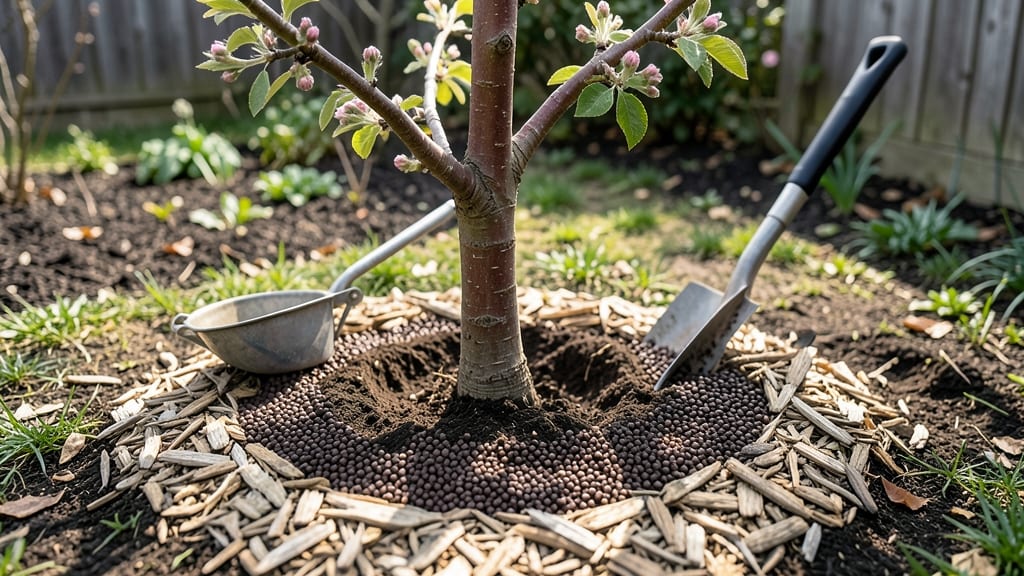
Spring tree fertilization is the secret weapon behind those shockingly lush canopies you envy every summer. 🌳 I learned the hard way that timing matters—fertilizing too early can stunt growth, while waiting too long means missed opportunities for root expansion.
The ideal window opens in late February to early March, just as soil temperatures rise above 40°F but before buds swell.
You don’t need fancy equipment, just the right fertilizer for your trees. Organic options like compost or slow-release granules work wonders for mature trees, while younger specimens benefit from a balanced 10-10-10 blend.
Spread it evenly around the drip line (that’s the edge of the tree’s shadow) and water it in—no need to dig unless you’re dealing with compacted soil. The goal? Fueling roots without shocking the tree.
What you’ll see by midsummer is nothing short of impressive: darker green foliage, stronger branches that hold up to storms, and blooms that arrive earlier and last longer. My neighbor’s oak, once struggling, now produces acorns like crazy—all thanks to this one seasonal boost.
The key is consistency, not excess; overdoing it can burn roots and attract pests.
Pro tip: Mark your calendar for next year’s fertilization date while you’re at it. Trees remember kindness, and a little spring attention pays dividends for decades. Now go give those roots the fuel they deserve!
📚 In This Guide
- What you need
- Instructions
- Tips and common mistakes
- Wrapping up and next steps
What you need
- ● Slow-release granular fertilizer (specifically formulated for trees, e.g., 10-10-10 or 12-4-8 NPK ratio): Quantity: 1–2 pounds per inch of tree trunk diameter (e.g., a 4-inch trunk = 4–8 lbs). Example brands: Espoma Tree-Tone, Miracle-Gro Shake ’n Feed Tree & Shrub.
- ● Organic fertilizer options (alternative): Composted manure (well-aged, 2–3 gallons per tree). Alfalfa meal (5–10 lbs per 100 sq ft).
- ● Watering can or hose with a gentle spray nozzle (for even distribution).
- ● Garden gloves (to protect your hands from granules or soil).
- ● Measuring tape or ruler (to determine fertilizer amounts and tree size).
- ● Garden fork or trowel (for loosening soil around the tree base).
- ○ Broadcast spreader (for large areas, optional but efficient).
- ● Soil test kit (to check pH and nutrient levels before fertilizing; highly recommended).
- ● Mulch (pine straw or shredded bark) (2–4 inches thick, applied after fertilizing to retain moisture).
- ● Tree-specific fertilizer applicator (e.g., spike or liquid injector for targeted feeding).
- ● Rain cover or tarp (to protect fertilizer from immediate rain if applying before a forecasted downpour).
Step-by-step guide for spring tree fertilization
Here's how I give my trees the perfect spring boost for stronger roots and stunning blooms.
🌱 Step 1: Choose the Right Fertilizer for Your Trees
Spring calls for a balanced fertilizer with equal parts nitrogen, phosphorus, and potassium—look for a 10-10-10 or 20-20-20 ratio. For flowering trees, I opt for a 12-6-6 blend to encourage blooms while supporting root growth. Avoid high-nitrogen fertilizers like lawn food, which can burn tree roots and promote excessive leaf growth at the expense of flowers.
Slow-release fertilizers are ideal for spring because they feed trees steadily over 3-6 months. Granular forms work best for established trees, while liquid fertilizers are great for newly planted ones. Always check the label for application rates—overdoing it can harm your trees more than help. I like to mark the application date on my calendar so I don't forget next year!
🌿 Step 2: Prepare the Soil Before Applying Fertilizer
Start by clearing away any mulch or debris from the drip line—the area directly under and slightly beyond the tree's branches. This gives you access to the root zone where fertilizer will do the most good. Use a garden fork or tiller to loosen the top 2-3 inches of soil gently, being careful not to damage any roots.
For newly planted trees, I mix the fertilizer into the soil at planting time, but for established trees, a top-dressing method works best. This means spreading the fertilizer evenly over the soil surface and lightly raking it in. Avoid piling fertilizer against the tree trunk—this can cause root burn and attract pests like rodents.
💧 Step 3: Apply Fertilizer Correctly for Maximum Effect
Spread the fertilizer in a circle around the tree, starting just outside the trunk and extending to the drip line. For small trees, I use about ½ cup of granular fertilizer, while larger trees need 1-2 cups—always follow the package instructions. Water the area thoroughly after application to help the granules dissolve and reach the roots.
Here's the thing—don't fertilize if the soil is already wet or if rain is forecast within 24 hours. You want the fertilizer to stay in place and start working, not wash away. After watering, keep the soil consistently moist (but not soggy) for the next 2-3 weeks to encourage root uptake. You'll notice new growth within 4-6 weeks if everything is done right!
☀️ Step 4: Monitor and Maintain for Ongoing Health
Watch for signs of over-fertilization, like yellowing leaves or excessive new growth that looks weak and leggy. If you see these, flush the soil with extra water to leach out excess nutrients. Healthy trees should show deep green leaves, strong branches, and—if they're flowering varieties—vibrant blooms by mid-spring.
I like to fertilize again in early summer (around June) with a lighter application, about half the spring dose, to keep the growth steady without overwhelming the tree. Mulch around the base after fertilizing to retain moisture and regulate soil temperature. Just keep the mulch 2-3 inches deep and 6 inches away from the trunk to prevent rot.
Tips & tricks for perfect spring tree fertilization
Real talk: Even with the best intentions, spring fertilization can go wrong fast. Here's how to make sure your trees get the nutrients they need without any surprises.
The Right Blend Matters: That 12-6-6 ratio for flowering trees isn't just a suggestion—it's science. The higher phosphorus (6) promotes blooms while supporting root growth, but too much nitrogen (the first number) will give you lush leaves at the expense of flowers. I've seen people use lawn fertilizer (often 30-0-4) and end up with trees that look like they're trying to grow into the sky instead of producing blossoms.
Timing is Everything: The 24-hour rain rule is non-negotiable. I learned this the hard way when a sudden storm washed away my first attempt. Check the weather forecast and don't apply if rain's coming. Also, avoid fertilizing when soil's already wet—it creates a nutrient runoff that pollutes groundwater and wastes your money. A simple soil moisture test (stick your finger in) tells you everything you need to know.
Application Technique: That ½ to 2 cups range isn't arbitrary—it's based on tree size. For small trees, use ½ cup spread evenly in a circle. For larger trees, divide the 1-2 cups into two spots (north and south sides) rather than piling it all in one place. This mimics how roots naturally spread and prevents over-concentration that can burn roots. I use a simple garden rake to create even grooves for the granules.
Seasonal Follow-Up: The early summer application (about half the spring dose) is crucial for maintaining balance. I mark both dates on my calendar with colored tabs—spring in pink and summer in green. This keeps me consistent without overwhelming the tree. Think of it like feeding your dog: too much too soon causes problems, but regular small meals keep them healthy.
Pro Tips for Spring Tree Fertilization
- Real talk: Even with the best intentions, spring fertilization can go wrong fast.
- The Right Blend Matters: That 12-6-6 ratio for flowering trees isn't just a suggestion—it's science.
- Timing is Everything: The 24-hour rain rule is non-negotiable.
Frequently asked questions
Got questions about giving your trees the perfect springtime boost? Here are answers to the most common concerns about spring tree fertilization—so you can grow with confidence!
When is the best time to fertilize trees in spring?
The ideal window is early spring (just as buds swell but before new leaves unfurl) or late winter (when soil is workable but still cool). Avoid fertilizing after a hard frost or during extreme heat—roots need time to absorb nutrients without stress. For evergreens, a slow-release fertilizer in early spring works best.
Can I use regular lawn fertilizer on my trees?
Not ideal! Lawn fertilizers are high in nitrogen (for green grass) but lack the balanced micronutrients trees need (like potassium and magnesium). Opt for a tree-specific fertilizer with a ratio like 10-10-10 or 12-4-8. For young trees, a granular or liquid organic fertilizer (like fish emulsion) is gentler and safer.
What if my tree’s leaves turn yellow after fertilizing?
Yellowing leaves often signal over-fertilization or root burn. Flush the soil with water to dilute excess salts, then pause fertilization for 4–6 weeks. If the issue persists, test your soil’s pH—trees need a slightly acidic to neutral range (6.0–7.0). For severe cases, consult an arborist to rule out pests or disease.
Are organic fertilizers better than synthetic ones for trees?
Both work, but organic options (like compost, manure, or bone meal) release nutrients slowly, improving soil health long-term. Synthetic fertilizers offer precise nutrient control and faster results. For a hybrid approach, mix organic matter (mulch or compost) into the soil before applying a balanced synthetic fertilizer for a two-pronged boost.
How often should I fertilize mature trees?
Mature trees typically need fertilization every 2–3 years, while younger trees (under 10 years) benefit from annual applications in early spring. Over-fertilizing stresses roots—stick to the recommended rates on the product label. Mulching (2–4 inches of organic mulch) also reduces the need for frequent feeding by retaining moisture and nutrients.
Wrapping up and next steps
Spring tree fertilization is your secret weapon for unlocking healthier roots, brighter blooms, and stronger branches—all while setting your trees up for long-term success. 🌱 By choosing the right fertilizer, timing, and technique, you’re not just feeding your trees; you’re investing in their future vibrancy and resilience.
Now that you’re armed with the know-how, there’s no better time to roll up your sleeves and get growing!
Ready to see the difference? Start with just one tree this season—track its progress, adjust as needed, and watch your landscape transform into a thriving oasis. Happy fertilizing!