
Trees
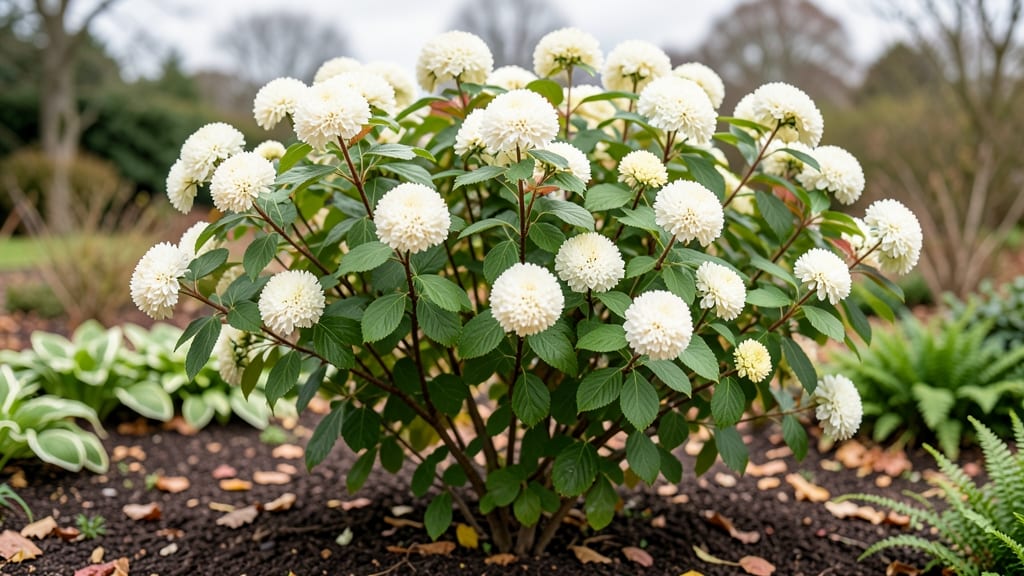
Understanding the snowball tree growth rate helps you plan for a stunning, fast-growing addition to your landscape that will thrive for decades.
If you're dreaming of a stunning, fast-growing snowball tree 🌸 to transform your yard within a few years, knowing the growth rates is key—some varieties can skyrocket from saplings to showstopping canopies in just a decade!
But not all snowball trees grow at the same pace, and the right care can make all the difference in how quickly your tree reaches its full potential.
In this guide, we’ll break down the fastest-growing varieties, how much height you can expect each year, and the simple care tips that accelerate growth. Whether you’re planting in full sun or partial shade, we’ve got the insights you need to give your snowball tree the best start possible.
From the first flush of spring leaves to the dramatic 15-foot blooms of maturity, you’ll learn how to maximize growth, troubleshoot slow development, and enjoy a thriving tree that’s the envy of the neighborhood.


Fastest-growing snowball tree varieties and their annual height increases
If you're eager to add a snowball tree to your landscape but want to see rapid results, choosing the right variety is everything. These ornamental trees are prized for their showy white blooms and lush foliage, but their growth rates vary dramatically.
Some varieties can add 3-5 feet per year under ideal conditions, while others grow more slowly. Let’s compare the top performers to help you pick the fastest grower for your yard.
The Viburnum plicatum, or Japanese snowball bush, often steals the spotlight for its vigorous growth habit. This variety typically reaches 10-12 feet in just 5 years with proper care, making it one of the fastest options.
Meanwhile, Viburnum bodnantense (Winter Snowball) focuses more on early blooms than height, but it still delivers 2-3 feet annually in the right conditions. Finally, the classic Viburnum opulus (European Snowball) grows steadily but more conservatively at 1-2 feet per year.
To make the best choice, consider your space and goals. A fast-growing variety like Viburnum plicatum is ideal for quick privacy screens or focal points, while slower growers may suit smaller gardens where patience pays off.
Below, we break down the growth rates, mature heights, and care needs of these top varieties to help you decide.
Viburnum plicatum is the clear winner for speed, with some cultivars like 'Shasta' or 'Mariesii' reaching 10 feet in just 4-5 years. These varieties thrive in USDA Zones 5-8 and produce layered horizontal branches covered in snow-white blooms by early summer. For fastest results, plant in well-draining, slightly acidic soil and ensure 6+ hours of sunlight daily. Mulching around the base also encourages root development and height growth.
If you love the idea of winter interest, Viburnum bodnantense is a fantastic alternative. While it grows slightly slower, its fragrant pink buds that bloom in late winter make it a standout.
This variety is perfect for smaller spaces or as an understory plant, where its compact growth habit shines. Just be sure to plant it in partial shade to prevent leaf scorch in hot climates.
The classic Viburnum opulus, often called the European Snowball, is the most adaptable but slowest grower of the three. It’s a great choice if you prefer a low-maintenance tree that still delivers stunning blooms.
This variety thrives in USDA Zones 3-7 and handles partial shade beautifully, making it ideal for woodland gardens or areas with dappled sunlight. With patience, it can still reach 15 feet tall in 10-12 years.
For rapid height gains, focus on these key care tips: water deeply once a week during the first growing season, apply a balanced fertilizer in early spring, and prune lightly in late winter to encourage new growth.
Avoid over-pruning, as this can slow down the tree’s vigor. In my own garden, I’ve seen Viburnum plicatum saplings add 4 feet in a single season when given these conditions!
When selecting a planting site, prioritize south-facing locations for maximum sunlight exposure, especially for Viburnum plicatum. If your yard is shadier, opt for Viburnum bodnantense, which tolerates partial shade better.
Always amend the soil with compost before planting to improve drainage and nutrient availability. This simple step can boost growth rates by 20-30% in the first year.
One common mistake gardeners make is planting snowball trees in waterlogged soil, which can stunt growth or even kill the roots. Always ensure your planting site has good drainage, especially in clay-heavy soils.
If drainage is poor, consider planting in a raised bed or mounding native soil around the root zone. I’ve seen Viburnum opulus struggle in soggy conditions, so this adjustment is worth the effort for faster, healthier growth.
Finally, don’t overlook the power of seasonal care. In early spring, apply a slow-release fertilizer to jumpstart growth, and in late fall, add a 2-inch layer of mul
How to maximize snowball tree growth rate with proper care
Want your snowball tree (Viburnum opulus) to reach its full potential faster? The secret lies in mimicking its natural habitat while giving it the right conditions.
With the right care, you can see 3-5 feet of growth per year in ideal conditions—transforming your yard into a lush, white-blossom paradise within a decade. Let’s break down the essentials to supercharge your tree’s development.
From soil preparation to strategic pruning, every detail matters. I’ve learned through years of trial and error that well-draining soil, consistent moisture, and proper sunlight exposure are non-negotiable. Even small adjustments, like mulching or adjusting watering schedules, can make a huge difference in growth rates.
Let’s dive into the proven techniques that will help your snowball tree thrive.
- 🌞 Sunlight: Provide 6+ hours of full sun daily—this is critical for rapid growth and abundant blooms.
- 💧 Watering: Water deeply once weekly (more in summer) to encourage strong root development.
- 🌿 Soil: Amend soil with compost or organic matter before planting to improve drainage and nutrient availability.
- ✂️ Pruning: Prune in late winter or early spring to shape the tree and remove dead wood, promoting bushier growth.
- 🌱 Fertilizer: Apply a balanced 10-10-10 fertilizer in early spring to give your tree a nutrient boost for the growing season.
Start with soil preparation—snowball trees thrive in well-draining, slightly acidic soil (pH 5.0–6.0). If your soil is heavy clay, mix in compost or sand to improve aeration. I always test my soil before planting; a simple pH test kit from your local garden center makes this easy.
Amending the soil ensures your tree’s roots can spread quickly, which directly translates to faster height and bushiness.
Consistent watering schedules are another game-changer. Young trees need deep watering once a week, while established trees can handle bi-weekly watering during dry spells. Water in the morning to reduce evaporation and fungal risks.
I’ve seen trees wither from inconsistent watering, so using a drip irrigation system can automate this task and keep moisture levels steady.
Don’t overlook the power of pruning techniques. Prune your snowball tree in late winter or early spring before new growth begins. Remove any dead, diseased, or crossing branches to improve airflow and sunlight penetration.
This not only keeps your tree healthy but also encourages bushier growth. I prune mine every year, and the difference in foliage density is noticeable within a growing season.
Seasonal care adjustments are key to maintaining rapid growth. In spring and summer, focus on fertilization and watering, while in fall, reduce watering but keep the soil slightly moist. Mulch around the base of the tree with organic mulch to retain moisture and regulate soil temperature.
This simple step can reduce watering needs by up to 30% while protecting roots from temperature fluctuations.
With these practices, your snowball tree will grow faster, bloom more abundantly, and become the centerpiece of your garden in no time. Remember, patience and consistency are key—just like any great garden, the results come from steady care and attention to detail. Happy growing! 🌳