
Pruning
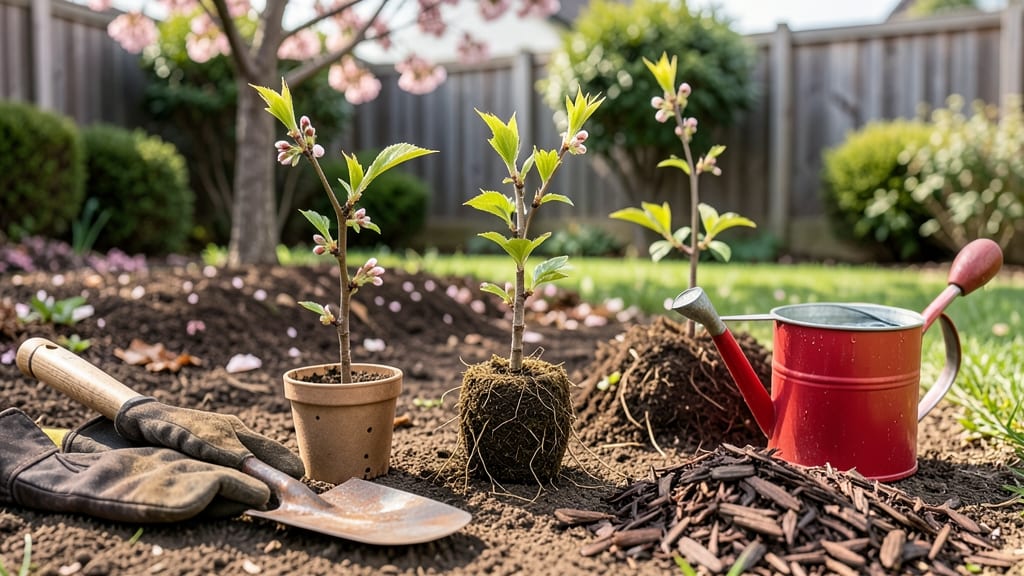
Growing sakura tree seedlings reveals their delicate beauty early—if you prune them right from the start. ✨ The secret to those iconic, graceful branches isn't just patience; it's strategic cuts that shape the tree while it's still small, preventing weak growth and encouraging strong structure.
I learned this the hard way when my first seedlings grew leggy and spindly, no matter how much I watered them.
Start with healthy seedlings from a reputable nursery, planted in well-draining soil with a 50/50 mix of garden soil and compost. Sakura trees thrive in full sun, so choose a spot with at least 6 hours of direct light daily.
Water deeply once a week, keeping the soil moist but never soggy—overwatering is the fastest way to kill young seedlings before they even develop their signature blooms.
When it comes to pruning, timing matters most. In their first year, focus on removing any crossing branches or weak growth that competes with the main stem.
Use clean, sharp pruners to make cuts just above a leaf node, and don’t worry about perfection—sakura trees are forgiving if you stay consistent. By their second spring, you’ll see the framework for those elegant, weeping branches taking shape.
Watch for signs of stress like yellowing leaves or stunted growth—these often signal overwatering or poor drainage. Sakura seedlings also need protection from late frosts, so cover them with frost cloth if your area gets chilly springs.
With the right care, your seedlings will reward you with pink blossoms in just 3-5 years, proving that patience and pruning pay off in the most breathtaking way.
📚 In This Guide
- What you need
- Instructions
- Tips and common mistakes
- Wrapping up and next steps
What you need
- ● Sakura tree seedlings (choose disease-resistant varieties like Prunus serrulata or Prunus yedoensis; 1–3 seedlings per pot or outdoor plot).
- ● Pruning shears (sharp, bypass-type, 6–8 inches long for precision cuts).
- ● Gloves (gardening gloves to protect hands from thorns and sap).
- ● Disinfectant (70% isopropyl alcohol or a 10% bleach solution to sterilize tools).
- ○ Pruning sealant (optional but helpful for large cuts to prevent disease; e.g., tree wound paint).
- ● Hand pruners (for smaller branches, 5–6 inches).
- ○ Loppers (for thicker branches, 12–18 inches; optional for mature seedlings).
- ● Rake or broom (to clear fallen debris post-pruning).
- ● Watering can or hose (with a gentle spray nozzle for hydration).
- ● Mulch (organic mulch like wood chips, 2–3 inches thick to retain moisture).
- ● A sunny location (6+ hours of sunlight daily for optimal growth).
- ● Well-draining soil (mix garden soil with compost for young seedlings).
- ● Patience! Sakura seedlings grow slowly; plan for 3–5 years before full bloom.
How to prune sakura tree seedlings for strong, graceful growth
Pruning young sakura trees might seem intimidating, but it's the key to shaping their future beauty.
🌱 Step 1: Identify the Right Time to Prune
Prune your sakura seedlings in late winter or early spring, just before new growth begins. This timing ensures you're not removing flower buds that may have formed for spring blooms. Look for swollen buds along the branches—this is your signal that growth is about to start.
If you're dealing with a newly planted seedling (under 2 years old), focus on removing any dead, damaged, or crossing branches first. These are easy to spot—they'll be brown, brittle, or growing inward toward the center of the tree. Avoid heavy pruning; you only want to shape, not stress the young plant.
✂️ Step 2: Remove Problem Branches First
Start by cutting out water sprouts—those fast-growing, vertical shoots that pop up everywhere. They steal energy from the main structure. Use clean, sharp pruners and make your cuts at a 45-degree angle, about ¼ inch above a bud that faces outward. This encourages growth in the right direction.
Next, tackle any branches that are rubbing against each other or growing straight back toward the trunk. These will eventually create wounds where pests or disease can take hold. If a branch is thicker than your thumb, use loppers instead of pruners to avoid tearing the bark.
☀️ Step 3: Shape the Tree’s Structure
For a young sakura, aim for an open-center form—this means keeping the center of the tree slightly hollow to allow light and air to circulate. Start by selecting 3-4 strong, evenly spaced branches to become the main scaffold. These should be spaced 6-12 inches apart and grow at a good angle from the trunk.
If you see a branch growing too close to another or competing for dominance, prune it back to a side branch or bud. Never remove more than 25% of the tree’s foliage in one session—this keeps the seedling healthy and encourages strong regrowth. Watch for new shoots emerging from the pruned areas; these will fill in gaps naturally.
🪴 Step 4: Clean Up and Monitor Growth
After pruning, sterilize your tools with rubbing alcohol to prevent spreading disease. Remove all clippings from the base of the tree—leaving them behind can attract pests or cause rot. Give the seedling a deep watering to help it recover, especially if you’ve made larger cuts.
Over the next 4-6 weeks, keep an eye on how the tree responds. If you see new growth at the pruned areas, that’s a good sign! If the leaves look yellow or wilted, it might need more water or a little extra shade for a few days. Sakura seedlings are resilient, but they do best when given time to adjust after pruning.
⏰ Step 5: Plan for Long-Term Pruning
Once your sakura is established (around 3-5 years old), you’ll shift to light maintenance pruning in late winter. This keeps the tree’s natural shape while encouraging more blooms. Always prune just above a bud that faces outward—this ensures new growth fills in gaps neatly.
Here’s the thing—sakura trees bloom on old wood, so avoid heavy pruning in late summer or fall. If you must prune at other times, do it minimally to avoid reducing next year’s flower production. With patience and the right cuts, your seedling will grow into a stunning, graceful tree with abundant blooms for years to come.
Tips & tricks for pruning sakura tree seedlings
Here's what nobody tells you about pruning sakura seedlings—these small details make all the difference between a scraggly tree and a showstopping specimen.
The Timing Secret: Late winter or early spring is your golden window, but don't wait until buds swell—act when you see the first hints of new growth starting. I've learned this the hard way after accidentally pruning too early and removing potential bloom buds. The key is catching that moment when the tree is waking up but hasn't yet committed to spring blooms.
Tool Technique: Your pruners are your most important tool—keep them sharper than a samurai's sword. Dull blades tear bark and create jagged wounds that invite disease. I sterilize mine with rubbing alcohol between cuts (as mentioned in Step 4), but I also sharpen them before every pruning session. For branches thicker than your thumb, loppers are non-negotiable—they prevent that awful bark-tearing that stresses the tree.
Visual Growth Cues: When shaping your tree in Step 3, look for these telltale signs: healthy buds should be plump and green, while weak ones will be shriveled or brown. The outward-facing buds are your friends—they'll grow into branches that create that beautiful open-center form. I always count 3-4 strong scaffold branches spaced 6-12 inches apart, making sure each has at least one outward-facing bud where I'll make my cut.
Post-Pruning Care: That deep watering after pruning isn't just a suggestion—it's essential, especially after larger cuts. Think of it as giving your tree a drink of water to help it recover from surgery. Over the next 4-6 weeks, keep an eye out for new growth at the pruned areas. If you see yellowing leaves, it's your tree's way of saying "I need a break"—give it some afternoon shade for a few days until it perks up.
Pro Tips for Sakura Tree Seedlings
- Here's what nobody tells you about pruning sakura seedlings—these small details make all the difference between a scraggly tree and a showstopping specimen.
- The Timing Secret: Late winter or early spring is your golden window, but don't wait until buds swell—act when you see the first hints of new growth starting.
- Tool Technique: Your pruners are your most important tool—keep them sharper than a samurai's sword.
Frequently asked questions
When is the best time to prune sakura tree seedlings?
Prune your seedlings in late winter or early spring, just before new growth begins. Avoid pruning during fall or summer, as this can stress the tree. For young seedlings, focus on removing dead or crossing branches to encourage a strong structure. Pro tip: Use sterilized tools to prevent disease!
How long does it take for sakura seedlings to grow into mature trees?
Sakura seedlings typically take 5–10 years to reach maturity, depending on the variety and growing conditions. Dwarf cultivars may mature faster (3–5 years), while standard sakura trees can take a decade or more. Patience is key—consistent care like proper pruning and sunlight will speed up growth!
Can I propagate sakura trees from cuttings instead of seedlings?
Yes! While seedlings are common, you can also propagate sakura trees from softwood or semi-hardwood cuttings in early summer. Use rooting hormone, keep the soil moist, and maintain humidity with a plastic bag. However, grafting is more reliable for preserving specific cultivars. Seedlings offer more genetic diversity but require longer growth periods.
Why are my sakura seedlings’ leaves turning yellow or dropping?
Yellowing leaves (chlorosis) or leaf drop often signal overwatering, nutrient deficiency, or fungal issues. Check soil drainage, reduce watering, and fertilize with iron or nitrogen if needed. Fungal diseases (like powdery mildew) thrive in damp conditions—prune affected branches and apply fungicide. Pro tip: Space seedlings properly for airflow!
Do sakura tree seedlings need full sun, or can they tolerate shade?
Sakura seedlings thrive in full sun (6+ hours daily), but young trees can tolerate partial shade (4–6 hours). Too much shade delays flowering and weakens growth. If planting in shady areas, choose a dwarf variety like ‘Kanzan’ or ‘Royal Celebration’ for better adaptation. Monitor for leggy growth—supplement with grow lights if indoors.
Wrapping up and next steps
Growing sakura tree seedlings into stunning, healthy trees is all about patience, care, and the right pruning techniques. By following strategic pruning—like removing dead branches, shaping for balance, and encouraging airflow—you’ll nurture a tree that blooms beautifully for years. Your efforts will pay off with breathtaking pink or white blossoms!
Ready to take the next step? Start small: prune your seedlings now and observe their growth. Over time, you’ll master the art of shaping sakura trees like a pro. Happy gardening! 🌸✂️