
Pruning
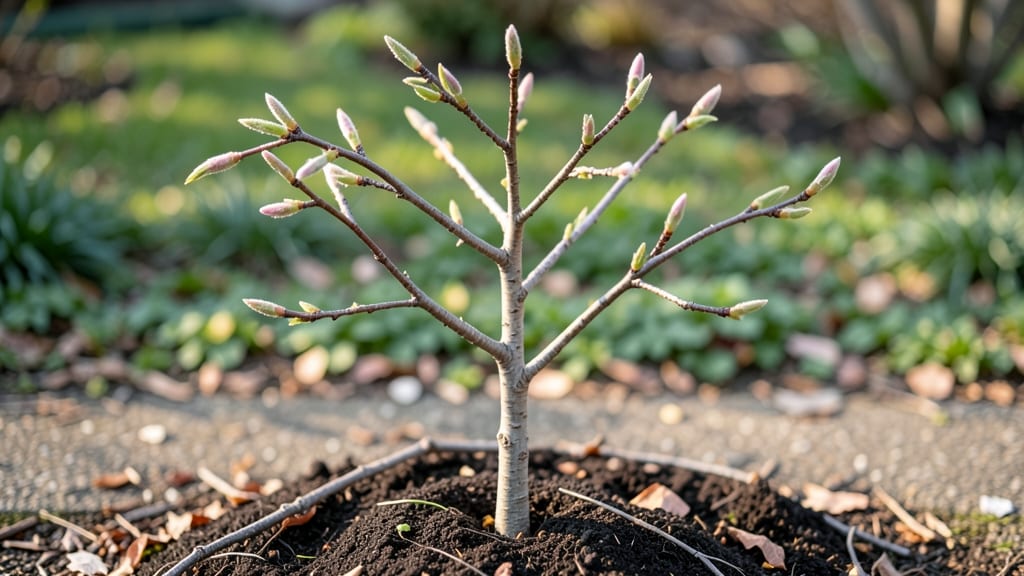
Your sakura tree sapling will grow into a breathtaking centerpiece with the right pruning—graceful branching starts with understanding its delicate structure. 🌸 Unlike other trees, sakura respond to pruning in early spring, when buds swell but leaves haven’t emerged yet.
I’ve pruned mine for five years, and the difference between a wild, leggy tree and one with elegant, layered branches comes down to timing and technique.
Start with sharp pruners and a 30% rule: remove no more than 30% of the tree’s branches in one session to avoid shocking it. Focus on removing crossing branches, dead wood, and any growth that points inward—sakura naturally grow in a vase shape, so you’re just guiding that form.
The key is to cut just above a bud that faces outward, using a slight upward angle to direct new growth where you want it.
After pruning, your tree will reward you with vibrant spring blooms and a canopy that filters sunlight beautifully. Water deeply the day after pruning to help it recover, and avoid heavy fertilizing—sakura prefer lean soil.
With consistent care, you’ll see new shoots forming within 4-6 weeks, each one a promise of next year’s blossoms.
This guide works for both cold-hardy varieties like Prunus serrulata and milder climates—just adjust pruning timing by a week or two based on your last frost date. The biggest mistake beginners make?
Pruning too late in the season, which weakens the tree before winter. Start early, and your sakura will thank you for years to come.
📚 In This Guide
- What you need
- Instructions
- Tips and common mistakes
- Wrapping up and next steps
What you need
- ● Pruning shears: Sharp, bypass-style shears (for clean cuts on small branches, ¼"–½" thick). Example: Felco F-2 or Corona CTS-2.
- ● Loppers: For thicker branches (½"–1½" diameter). Example: Fiskars PowerGear or Bahco Forester.
- ● Hand pruners (for emergencies): A backup pair with bypass blades (avoid anvil-style—they crush wood).
- ● Disinfectant: 70% isopropyl alcohol or a pruning sealant (like Tanglefoot Pruning Seal) to prevent disease spread.
- ● Gloves: Heavy-duty, cut-resistant gloves (e.g., Mechanix Wear or Felco pruning gloves).
- ● Safety gear: Safety glasses (to shield from debris) and long sleeves (for thorn protection).
- ● Marking twine or flags: Colored twine or small plastic tags to label branches for future reference.
- ● Bucket or tarp: To collect pruned branches and debris.
- ● Extension pole saw: For high branches (e.g., Fiskars X27).
- ● Pruning saw: For stubborn, thick branches (avoid with saplings!).
- ● Hose or spray bottle: To clean tools between cuts (prevents sap buildup).
- ● Notebook or app: To sketch your sapling’s structure or log pruning dates (e.g., iNaturalist or Gardenate).
- ● Mulch or compost: To refresh the base after pruning (e.g., wood chips or aged bark).
Step-by-Step pruning guide for a graceful sakura sapling
Transform your young sakura into a stunning, balanced tree with these simple seasonal cuts.
✂️ Step 1: Prune for Structure in Late Winter
Wait until late winter or early spring when the tree is still dormant but just before buds swell. This is the best time to shape your sapling's framework. Start by removing any dead, diseased, or crossing branches with clean cuts just above a bud or branch collar. I like to make my cuts at a 45-degree angle to prevent water from pooling and rotting the wound.
Look for the main vertical stem and 3-4 strong lateral branches spaced evenly around it. These will form your tree's primary structure. If you see weak, spindly branches growing inward, snip them off completely—they'll never develop properly and compete with stronger growth. Use sharp pruning shears to make clean cuts without tearing the bark.
🌿 Step 2: Encourage Airflow in Early Spring
Once new leaves appear in early spring, focus on improving airflow through the canopy. Thin out crowded branches to let sunlight reach the inner growth. I aim for 6-8 inches of space between branches so air circulates freely—this prevents fungal diseases that plague sakuras. When you remove a branch, cut back to the nearest outward-facing bud to encourage healthy new growth.
Watch for "water sprouts"—those fast-growing, vertical shoots that pop up everywhere. These are energy vampires that weaken your tree. Snip them off at the base immediately. You'll know you're doing well when you see fresh, green buds developing along the remaining branches instead of just at the tips.
☀️ Step 3: Light Summer Maintenance
During summer, make only minimal cuts to avoid stressing the tree. Focus on removing any suckers that grow from the base or trunk. These compete with your desired branches for nutrients. For larger branches that need shaping, cut back just above a leaf node where new growth will emerge. Always sterilize your pruning tools with rubbing alcohol between cuts to prevent spreading disease.
If you notice any branches growing at odd angles or rubbing against each other, trim them now. The goal is to create a natural, balanced shape. You'll see the difference in your tree's vigor—strong branches will develop a slightly rough, textured bark while weak ones stay smooth and pale.
⏰ Step 4: Final Seasonal Trim in Fall
In late fall, after the leaves have dropped but before hard frosts, do one final light pruning. Remove any dead wood or branches that didn't develop properly during the season. Cut back any overly vigorous shoots that grew too fast. This helps the tree prepare for winter by focusing its energy on storing nutrients in the roots.
Step back and admire your work! A properly pruned sakura will have an open, vase-like shape with branches spreading evenly. The key is consistency—doing a little maintenance each season rather than one big pruning job. Your tree will reward you with stronger growth and more abundant blossoms next spring.
Tips & tricks for perfect sakura tree pruning
These seasonal strategies will help you cultivate a sakura sapling that thrives year after year.
Seasonal Timing Tip: The late winter timing in Step 1 is critical because dormant trees heal fastest. I've learned the hard way that pruning too early can stimulate unwanted growth while waiting too long risks bud break before you're finished. Mark your calendar for when your local frost dates end—this is your window to work. For most northern climates, aim for February to early March, but adjust 2-3 weeks later if you live in warmer zones.
Branch Selection Strategy: When choosing your 3-4 main lateral branches in Step 1, look for ones that form a natural spiral pattern up the trunk. This creates an organic, balanced shape that sakuras love. I always start with the strongest branch at the bottom and work my way up, ensuring each new branch is positioned about 1/3 of the way around the trunk from the previous one. This spacing prevents future crowding.
Tool Preparation: Before you begin any pruning, sterilize your tools with rubbing alcohol—not just between trees, but between each cut on the same tree. I keep a small spray bottle of 70% isopropyl alcohol handy and wipe down blades after every 3-4 cuts. This simple step prevents spreading fungal spores that can devastate your sakura's health. For larger branches, I use a clean hacksaw for smooth cuts that heal better than jagged pruning shear marks.
Visual Growth Check: After your early spring pruning in Step 2, watch for new growth patterns over the next 4-6 weeks. Healthy buds should appear along the sides of remaining branches, not just at the tips. If you see all new growth concentrated at branch ends, you've removed too many side buds. This is your cue to adjust next year's pruning—leave slightly more lateral growth to encourage that balanced, open canopy sakuras are known for.
Pro Tips for Sakura Tree Sapling
- These seasonal strategies will help you cultivate a sakura sapling that thrives year after year.
- Seasonal Timing Tip: The late winter timing in Step 1 is critical because dormant trees heal fastest.
- Branch Selection Strategy: When choosing your 3-4 main lateral branches in Step 1, look for ones that form a natural spiral pattern up the trunk.
Frequently asked questions
about growing and pruning sakura tree saplings—get quick answers to common concerns!When is the best time to prune a young sakura sapling?
The ideal time is late winter or early spring (just before buds swell), but you can also prune lightly after flowering. Avoid heavy pruning in fall or winter, as it stresses the tree. For saplings, focus on shaping in early spring to encourage strong growth.
How much can I trim a sakura sapling’s branches?
For saplings, limit pruning to no more than 20-25% of the total foliage per year. Over-pruning weakens the tree. Remove only dead, crossing, or overly dense branches. Thin out excess growth to improve airflow and sunlight penetration.
Will pruning affect my sakura’s blooms next year?
Pruning just before bud break (late winter) won’t harm blooms—it actually promotes healthier flowers! Avoid heavy cuts after blooming, as this removes next year’s flower buds. Light shaping in spring is key for maintaining vibrant sakura blossoms.
Can I use regular pruners, or do I need special tools?
Start with sharp, bypass pruners for small branches (up to ½ inch thick). For thicker sapling branches, use loppers or a pruning saw. Sterilize tools with rubbing alcohol to prevent disease. Avoid hedge trimmers—they tear bark and damage the tree.
What if my sakura sapling isn’t growing well after pruning?
Check for over-pruning, poor soil, or pests. Ensure it gets 6+ hours of sunlight and well-draining soil. If growth stalls, fertilize lightly in spring with a balanced, acid-loving plant fertilizer. Yellowing leaves may signal overwatering—let soil dry slightly between waterings.
Are there alternatives if my sapling doesn’t recover?
If the sapling declines despite care, consider grafting a new branch or planting a replacement nearby. Some sakura varieties (like Weeping Cherry) are hardier for beginners. For instant beauty, try dwarf sakura cultivars like ‘Shirofugen’—they’re easier to manage!
Wrapping up and next steps
Growing a sakura tree sapling into a stunning, well-branched beauty is entirely within your reach—with the right pruning techniques and a little patience! 🌸 By mastering seasonal trims, avoiding common mistakes, and nurturing your tree’s natural shape, you’ll enjoy year-round elegance and vibrant blooms.
Whether you’re a beginner or a seasoned gardener, every careful cut brings you closer to that dreamy, graceful canopy.
Ready to take the next step? Start small—pick one pruning session this season, then gradually refine your skills. Celebrate each progress—your sakura will thank you with healthier growth and breathtaking flowers! 🌿