
Pruning
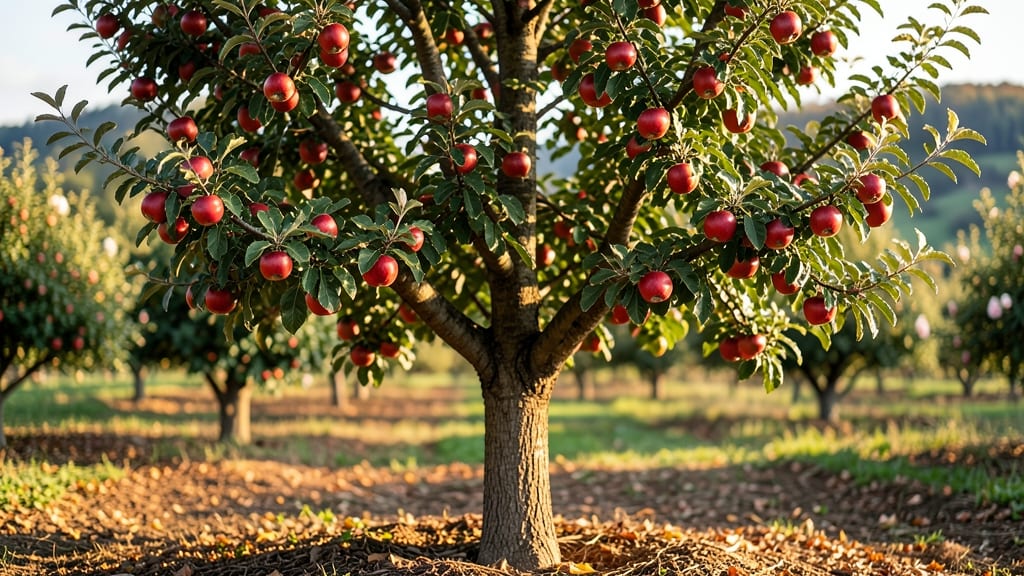
The size of a red delicious apple tree can reach 15 to 25 feet tall at maturity, with a spread of 12 to 18 feet—that’s the kind of space you need to plan for if you’re dreaming of a backyard orchard.
Picture this: a 20-foot tree towering over your patio, its branches heavy with fruit, but also shading out your garden beds or blocking your neighbor’s fence. That’s why knowing the exact size matters—it’s not just about the height, but how much room it needs to thrive without becoming a nuisance.
Most gardeners underestimate how quickly these trees grow, especially in USDA Zone 6a where they flourish. By year three, your 🍎 Red Delicious could already be 8 to 12 feet tall, and without proper spacing, you’ll deal with crowded branches, poor airflow, and fewer apples.
The good news? Smart pruning and rootstock choices can keep it in check.
In this guide, I’ll break down the exact space requirements by growth stage, show you how to adjust for small yards, and share the 5 warning signs your tree is outgrowing its home—so you can enjoy those sweet, juicy apples without the headaches.


Red Delicious apple tree size by growth stage: mature height and spread
Understanding the Red Delicious apple tree size is essential for planning your orchard or backyard garden. These trees aren't like their dwarf cousins—they grow tall and wide, requiring careful space allocation.
At maturity, they can reach 15 to 25 feet tall, with a spread of 15 to 20 feet, making them one of the larger apple varieties. Proper spacing ensures optimal airflow and sunlight penetration, which are critical for fruit production and disease prevention.
The growth stages of a Red Delicious apple tree dramatically influence its size requirements. In the first year, you'll see a 2- to 3-foot sapling, but by year three, it can surge to 8 to 12 feet.
This rapid growth means early planning is key—don't wait until the tree is already crowding your garden! Comparing it to other varieties, Red Delicious is taller than Granny Smith (which maxes at 12 feet) but shorter than Northern Spy, which can hit 30 feet.
At the mature stage, a Red Delicious apple tree's canopy width becomes a major factor. That 12- to 18-foot spread means you'll need to account for not just the tree itself but also its root system, which extends even further underground.
If you're planting multiple trees, aim for 20 to 25 feet between them to prevent competition for nutrients and sunlight. This spacing also reduces the risk of fungal diseases like apple scab, which thrives in crowded, humid conditions.
One common mistake is underestimating the horizontal growth of these trees. While height is obvious, the spread often catches gardeners off guard. For example, a 15-foot-tall tree with a 15-foot spread will occupy a 30-foot diameter circle at maturity.
If your backyard is limited, consider semi-dwarf rootstock, which reduces the mature size to 12 to 18 feet while still producing full-sized fruit. This is a great compromise for smaller properties.
When comparing Red Delicious to other popular apple varieties, its size stands out. For instance, Fuji apples also reach 15 to 25 feet, but Honeycrisp tends to stay slightly shorter at 12 to 20 feet.
If you're working with limited space, varieties like Gala or McIntosh (which max out at 12 to 15 feet) might be better fits. However, Red Delicious offers excellent disease resistance and a sweet, reliable flavor, making it worth the space investment for many growers.
Proper pruning techniques can help manage the tree's size, but they won't eliminate the need for adequate spacing. Even with aggressive pruning, a Red Delicious will still require at least 15 feet of clearance on all sides.
If you're planting near a fence or wall, leave 10 to 12 feet of space to avoid root damage and ensure the tree can develop a strong structure. Remember, a well-spaced tree is a healthier, more productive tree—one that will reward you with bountiful harvests for decades.
For those in urban or suburban settings, consider planting your
How much space do Red Delicious apple trees need? Spacing guidelines for different planting scenarios
A Red Delicious apple tree needs careful spacing to thrive, especially since it grows to 15-25 feet tall with a 12-15 foot spread at maturity. Proper spacing ensures good airflow and sunlight, reducing disease risk and improving fruit production.
In my backyard, I learned the hard way—planting too close led to crowded branches and poor yields!
For backyard gardens, space trees 15-20 feet apart to allow full canopy development. This spacing works well for standard rootstock varieties and gives you room to move around the tree for pruning and harvesting. If you're planting multiple trees, consider a grid pattern for even sunlight distribution.
In commercial orchards, row spacing matters just as much as tree-to-tree distance. Plant trees 20-25 feet apart in rows with 25-30 feet between rows.
This arrangement maximizes efficiency for machinery and allows for better disease control. I’ve seen orchards with tighter spacing struggle with fungal issues during wet seasons.
If you're growing Red Delicious in containers, opt for dwarf rootstock varieties that stay under 8-12 feet tall. These compact trees need containers at least 3-4 feet wide and deep to accommodate their root systems.
I’ve successfully grown dwarf varieties in large pots, but they still need full sun and regular pruning to maintain shape.
For windy climates, increase spacing to 25+ feet between trees and 30+ feet between rows. Wind can damage branches and reduce fruit quality, so extra space helps the tree establish a strong structure.
I’ve seen trees in exposed areas benefit from windbreaks or strategic planting near fences—just keep them 10+ feet away to avoid root competition.
Always consider your local climate and soil type when planning spacing. In heavy clay soils, roots may spread wider, while sandy soils might require slightly more distance. My neighbor’s Red Delicious thrives in well-drained soil with 18 feet of spacing, producing bumper crops every year.
With the right spacing, your tree can become a fruitful centerpiece for decades! 🍎