
Pruning
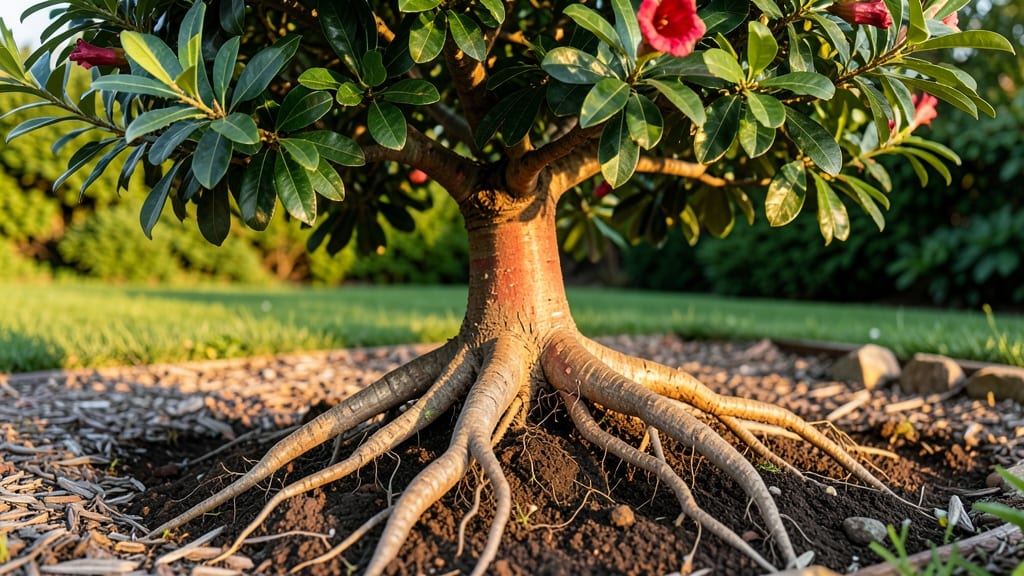
Understanding pomegranate tree roots transforms your harvest from "maybe" to "consistently abundant." 🌱 The right planting depth, soil, and root care ensure your tree thrives—while neglect leads to stunted growth or poor fruit production. I’ve learned the hard way that roots need as much attention as the branches.
Start with 6-8 inches of loose, well-draining soil mixed with compost. Pomegranate roots spread 3-5 feet wide but stay shallow, so avoid heavy clay. When planting, bury the graft union 2-3 inches below soil level—this prevents weak growth above ground.
Root pruning? Only thin crowded roots in early spring, never more than 20% at a time.
Healthy roots mean vibrant green leaves and fruit that splits open naturally. You’ll notice fewer leaf diseases and stronger branches that support heavy clusters. The key is balance: enough water to keep soil moist but not soggy, and mulch to protect roots from temperature swings.
For container-grown trees, use pots at least 24 inches wide with drainage holes. If roots circle the pot, gently tease them outward before replanting. In cold climates, insulate roots with 4-6 inches of mulch in winter—this prevents heaving and keeps the tree productive for decades.
📚 In This Guide
- What you need
- Instructions
- Tips and common mistakes
- Wrapping up and next steps
What you need
- ● Pruning shears: Bypass pruners (sharp, 6-8" blades) for clean cuts on smaller roots (up to ½-inch thick). Anvil pruners are a budget-friendly backup but can crush roots.
- ● Lopper: 1 pair (18-24" blades) for thicker roots (½-inch to 1.5-inch diameter). Look for ratcheting or bypass-style for precision.
- ● Pruning saw: 1 curved-tooth saw (8-10" blade) for stubborn, thick roots (1.5+ inches). Avoid cheap saws—they dull quickly!
- ● Gloves: 2 pairs—heavy-duty gardening gloves (for grip and protection) and cut-resistant gloves (for thick roots).
- ● Disinfectant: 1 bottle 70% isopropyl alcohol or rubbing alcohol to sterilize tools between cuts (prevents disease spread).
- ○ Root stimulator: 1 small bottle organic rooting hormone (e.g., Rootone) to treat cut roots (optional but helpful for regrowth).
- ● Mulch: 2-3 bags organic mulch (wood chips, straw, or compost) to cover pruned areas and retain moisture.
- ● Watering can: 1 gallon-sized with a rose attachment for gentle post-pruning hydration.
- ● Knee pads: 1 pair to protect your joints during long sessions.
- ● Safety glasses: 1 pair to shield eyes from debris (especially when sawing).
- ● Labeling tags: Small wooden or plastic tags + permanent marker to mark pruned areas (if testing new techniques).
- ● Root barrier fabric: 1 roll (if your tree is near a sidewalk or foundation to prevent invasive roots).
- ● Camera: Your phone works! Snap before/after photos to track growth progress.
Strategic pruning techniques for pomegranate tree roots
Healthy roots equal abundant fruit—here’s how to prune them for long-term vigor.
🌱 Step 1: Assess Root Health Before Pruning
Start by examining the root zone carefully. Healthy pomegranate roots should appear white or light tan, with a fibrous texture. Look for any dark, mushy areas or signs of fungal growth—these indicate disease and should be addressed immediately with a fungicide. If you spot gnarled, thickened roots, these may be suffering from root rot.
Gently loosen the top 2-3 inches of soil around the base to inspect deeper roots. The goal is to identify only the most compromised sections—never remove more than 20% of the root system in a single session. Healthy roots will spring back slightly when touched, while damaged ones will feel soft or crumbly.
✂️ Step 2: Prune Diseased or Damaged Roots
Use sterilized pruning shears to cut away any roots that appear blackened, slimy, or hollow. Make clean cuts at a 45-degree angle, about ¼ inch above the healthy tissue. This prevents water from pooling on the wound and encourages faster healing. For larger roots, use a sharp spade to sever them cleanly.
Disinfect your tools between cuts with rubbing alcohol to avoid spreading pathogens. I always prune on a dry, sunny day—roots heal fastest when the tree can photosynthesize actively. After trimming, apply a thin layer of sulfur-based fungicide to the exposed areas to discourage reinfection.
💧 Step 3: Encourage New Root Growth
After pruning, water the tree deeply to help it recover. Focus on the outer edges of the root zone, where new growth will emerge. Use a soaker hose or drip irrigation to deliver moisture slowly—pomegranates hate soggy soil but need consistent hydration during recovery. Aim for 1-1.5 inches of water per week, adjusting for rainfall.
Add a 2-3 inch layer of organic mulch (like wood chips) around the base, keeping it 6 inches away from the trunk to prevent rot. This conserves moisture and regulates soil temperature, both critical for root regeneration. You’ll notice new, fine roots pushing through the soil in 4-6 weeks—this is your sign the tree is healing.
☀️ Step 4: Monitor and Adjust for Future Seasons
Check root health again in 3-4 months to ensure no regrowth of disease. Healthy roots should appear dense and white, with no signs of decay. If you notice new growth but the tree still looks stressed, consider applying a balanced fertilizer with low nitrogen to avoid encouraging leafy growth at the expense of fruit production.
For mature trees, repeat this process every 2-3 years to maintain root vigor. Prune in late winter or early spring, just before new growth begins. Avoid pruning in fall—roots need time to recover before winter dormancy. With consistent care, your pomegranate will reward you with stronger structure and heavier fruit loads.
Tips & tricks for strategic root pruning in pomegranate trees
Pruning pomegranate roots isn't just about cutting—it's about strategic renewal. Here's what I've learned from years of working with these resilient trees to maximize fruit production while protecting long-term health.
Root Health Inspection: When you're examining those top 2-3 inches of soil in Step 1, pay special attention to the soil's texture around the roots. Healthy soil should crumble easily when dry but hold together when moist—this indicates proper drainage. If the soil feels gummy or smells sour, that's your signal to improve drainage before pruning. Also, use a clean trowel to gently lift roots rather than digging aggressively, which can cause unnecessary damage to healthy tissue.
Precision Cutting Technique: In Step 2, those 45-degree angle cuts aren't just aesthetic—they're functional. The sloped cut increases surface area for faster healing while preventing water from pooling on the wound. For stubborn roots, I've found that pre-soaking the soil around them with water for 10-15 minutes makes them easier to cut cleanly without tearing. This is especially helpful with mature trees where roots can become quite tough.
Post-Pruning Recovery Strategy: The 4-6 week timeline for new root growth in Step 3 is your best indicator of success. To accelerate this process, I recommend applying a thin layer of compost tea to the root zone immediately after pruning. This introduces beneficial microbes that help break down organic matter and stimulate new root formation. Just be sure to water it in thoroughly—compost tea needs moisture to activate its beneficial properties.
Seasonal Timing Insight: While late winter/early spring is ideal for pruning, I've had success with summer pruning in extremely hot climates where fungal diseases are less prevalent. If you choose this approach, be prepared to provide extra shade for the tree during its recovery period. The key is always to prune when the tree has at least 4-6 weeks of growing season remaining before winter dormancy begins.
Pro Tips for Pomegranate Tree Roots
- Pruning pomegranate roots isn't just about cutting—it's about strategic renewal.
- Root Health Inspection: When you're examining those top 2-3 inches of soil in Step 1, pay special attention to the soil's texture around the roots.
- Precision Cutting Technique: In Step 2, those 45-degree angle cuts aren't just aesthetic—they're functional.
Frequently asked questions
Got questions about pomegranate tree roots and pruning? You’re not alone! Here are some of the most common concerns—and their answers—to help you grow a healthier, fruit-bearing tree.
How deep do pomegranate tree roots typically grow?
Pomegranate roots usually spread wide (up to 4–6 feet from the trunk) but grow moderately deep—about 2–3 feet. Shallow roots make them drought-sensitive, so mulch well and avoid deep tilling near the base. Pro tip: If your tree struggles in dry climates, consider drip irrigation to keep roots hydrated!
When is the best time to prune pomegranate roots?
Prune roots in early spring (before buds swell) or late winter when the tree is dormant. Avoid pruning in summer or fall, as it stresses the tree and can reduce fruit production. Warning: Never prune roots during flowering or fruiting—this disrupts energy flow to the tree!
Can I prune pomegranate roots too much?
Yes! Over-pruning roots (cutting more than 20–30% of the root system) can shock the tree, leading to poor growth or even death. Limit root pruning to 1–2 times per year and only when necessary (e.g., to remove girdling roots). Always sterilize tools to prevent disease.
What if my pomegranate tree has girdling roots?
Girdling roots (roots circling the trunk) restrict growth and can strangle the tree. Fix it: Gently loosen the soil around the base, then carefully sever the offending roots with sterilized pruners. Water deeply afterward to reduce stress. Pro tip: If roots are deeply embedded, consider air spading (a gentle soil-aeration method) to avoid damage.
Are there alternatives to pruning pomegranate roots?
If root pruning feels risky, try these non-invasive methods:
- Mulching: Add 2–4 inches of organic mulch (wood chips, straw) to protect roots and retain moisture.
- Soil aeration: Use a manual aerator to loosen compacted soil without cutting roots.
- Container growth: If replanting, choose a large pot (2+ feet deep) with drainage holes to prevent root binding.
For established trees, these methods often work just as well!
Wrapping up and next steps
Understanding and caring for your pomegranate tree roots is the foundation of a thriving, fruit-bearing tree! 🌱 From strategic pruning to proper watering and soil health, these steps ensure strong growth and abundant harvests.
With the right knowledge, you’re well on your way to nurturing a resilient tree that rewards you with juicy, vibrant fruit year after year.
Ready to take the next step? Monitor your tree’s progress after pruning, adjust care as needed, and soon, you’ll be enjoying the sweet taste of success—literally! 🍇