
Pruning
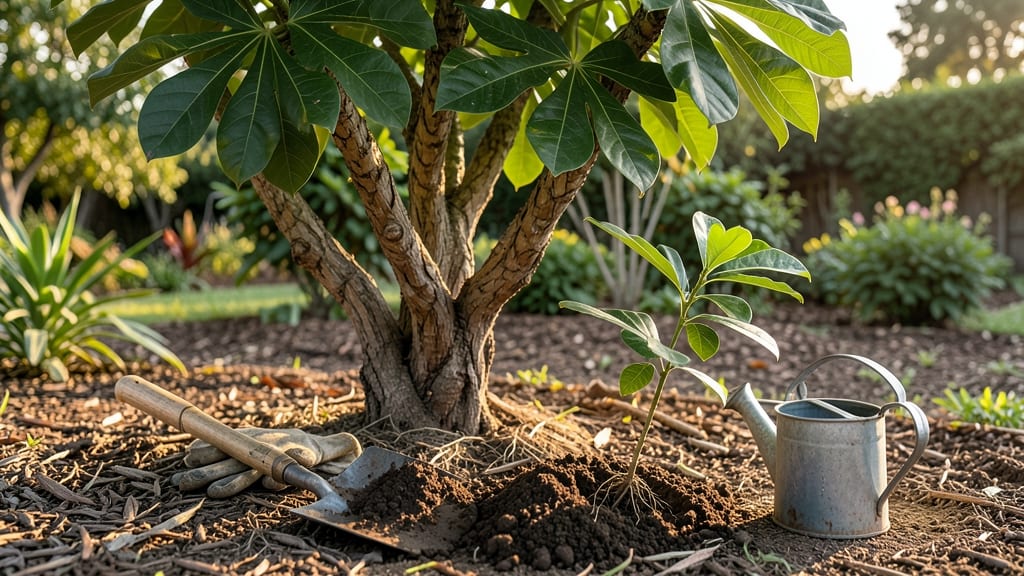
Planted a money tree outside? Here’s how to keep it alive through winter without losing those lucky leaves. 🌿 The key isn’t forcing it—it’s understanding its limits and working with them.
Money trees (Pachira aquatica) aren’t built for frost, but with the right pruning and protection, they can handle outdoor conditions in warmer zones (USDA 10-12) or as seasonal accents elsewhere.
Start by choosing a spot with bright, indirect light—think dappled shade under a tree or an east-facing patio. Money trees hate direct afternoon sun, which scorches their glossy leaves, and they’ll struggle if temperatures dip below 40°F.
In colder climates, treat it as a summer outdoor plant and bring it inside before the first frost. Prune lightly in early spring to encourage bushier growth, but avoid heavy cuts—this plant responds best to gentle shaping.
When done right, your money tree will reward you with lush, vibrant foliage all season long, even outside. The trick is mimicking its tropical roots: keep soil consistently moist (but not soggy), mulch heavily in winter, and watch for pests like spider mites, which love dry air.
A quick spray of water on leaves can deter them without chemicals. With these adjustments, you’ll avoid the sad, crispy leaves that ruin the "lucky plant" vibe.
If outdoor survival proves tricky, consider outdoor-friendly alternatives like the Chinese pistache (with its striking red fall foliage) or ornamental fig trees, which handle heat and light better. But if you’re committed to your money tree, a large container with wheels makes winter moves effortless.
The payoff? A plant that thrives outside and brings good luck to your porch.
📚 In This Guide
- What you need
- Instructions
- Tips and common mistakes
- Wrapping up and next steps
What you need
- ● Money Tree Plant: A healthy, mature Pachira aquatica (5+ years old for best outdoor resilience). Choose one with at least 5 braided trunks for stability.
- ● Large Container or In-Ground Spot: Container Option: A 15–20 gallon pot with drainage holes (terracotta or fiberglass preferred).
- ● In-Ground Option: A sunny, sheltered spot with well-draining soil (avoid waterlogged areas).
- ● Well-Draining Soil Mix: A blend of 60% potting soil, 30% perlite, and 10% coconut coir (or a pre-mixed tropical mix).
- ● Mulch: 2–3 inches of organic mulch (pine bark or shredded leaves) to retain moisture and regulate temperature.
- ● Pruning Tools: Sharp bypass pruners (for clean cuts).
- ● Small hand saw (for thicker branches).
- ● Disinfectant (70% isopropyl alcohol or hydrogen peroxide) to sterilize tools.
- ● Gloves: Heavy-duty gardening gloves to protect from thorns and sap.
- ● Watering Can or Hose: With a gentle spray nozzle for even moisture distribution.
- ○ pH Test Kit: Optional but helpful to monitor soil acidity (ideal range: 5.5–7.0).
- ● Fertilizer: Slow-release balanced fertilizer (10-10-10) or a tropical plant-specific option.
- ● Shade Cloth: 30–50% shade fabric for hot climates (protects from direct sunburn).
- ● Humidity Tray: A pebble tray with water to boost humidity in dry conditions.
- ● Plant Support: A small stake or trellis if your money tree leans heavily (common in windy areas).
Instructions for moving your money tree outside safely
Here's how to transition your money tree from indoors to outdoors without shock or stress.
☀️ Step 1: Acclimate Gradually to Outdoor Conditions
Start by placing your money tree in a sheltered spot outside for just 30 minutes on the first day. Choose a location with bright, indirect light—think dappled shade under a tree or a covered patio. You'll notice the leaves may darken slightly as they adjust, but this is normal and temporary.
Over 5-7 days, slowly increase exposure by 1-2 hours daily. Watch for leaves that feel slightly crispy at the edges—this signals it's getting too much direct sun. Money trees are tropical and can't handle sudden sun shifts, so patience here prevents leaf scorch. By day 7, it should tolerate 4-6 hours of morning sun without stress.
💧 Step 2: Adjust Watering for Outdoor Humidity Changes
Outdoor air is drier than indoor spaces, so your money tree will need watering every 5-7 days instead of every 2 weeks. Stick your finger 1-2 inches into the soil—if it feels dry, water thoroughly until it drains from the bottom. Overwatering is the biggest mistake here; soggy soil causes root rot that kills the plant quickly.
Water in the early morning to let excess moisture evaporate during the day. You'll know you're doing it right when the top inch of soil stays slightly damp but not wet. Mulch around the base with 2-3 inches of organic material (like shredded bark) to help retain moisture and regulate temperature.
✂️ Step 3: Prune Strategically for Outdoor Growth
Use clean, sharp pruning shears to trim any yellow or brown leaves immediately—these are dead and won't recover. Cut back leggy stems by one-third to encourage bushier growth. This is the time to shape the tree for outdoor exposure; remove any crossing branches that rub together and create weak points.
Here's the thing—money trees grow slower outside due to cooler temperatures. Prune in late spring or early summer when new growth appears. Avoid heavy pruning in fall or winter, as the plant needs all its energy to survive seasonal changes. After pruning, wipe the cuts with a cloth dipped in rubbing alcohol to prevent disease.
🪴 Step 4: Protect During Temperature Swings
Money trees thrive in 65-75°F temperatures and can't handle frost or extreme heat. If nighttime temps drop below 50°F, move the plant indoors or cover it with a frost cloth. You'll see leaves drooping or turning purple when it's too cold—act fast to prevent damage.
In summer, if temperatures exceed 90°F, provide afternoon shade to prevent leaf burn. A simple shade cloth or moving the plant to a spot with afternoon shade works perfectly. Consistency is key—sudden temperature changes stress the plant more than steady conditions, even if they're less than ideal.
⏰ Step 5: Monitor for Pests and Adjust Care
Outdoor money trees attract pests like spider mites and mealybugs. Inspect leaves weekly, especially the undersides, for webbing or cottony patches. If you spot pests, wipe them off with a damp cloth or spray with neem oil. This is the moment that matters—catching infestations early prevents them from spreading and damaging the entire plant.
Fertilize lightly every 6-8 weeks during the growing season with a balanced, water-soluble fertilizer. You'll see new growth as a sign it's responding well. Reduce feeding in fall and winter, as the plant enters a slower growth phase. Over-fertilizing burns roots and stresses the plant, so less is always better outdoors.
Tips & tricks for moving your money tree outside safely
Here's what nobody tells you about the gradual transition that makes all the difference.
Acclimation Secret: During those first 30 minutes on day one, keep a close eye on the leaves. If they start curling or feel crispy within 15 minutes, move your money tree back inside immediately—this is its way of saying "too much sun!" The gradual increase of 1-2 hours daily over 5-7 days lets the plant adjust its internal water balance without shock. Think of it like sunbathing after winter—you wouldn't go from zero to full sun in one day, right?
Temperature Matters: Money trees have a narrow comfort zone of 65-75°F, so watch those nighttime temps like a hawk. When temperatures dip below 50°F, your plant's metabolism slows dramatically. I've seen leaves turn purple almost overnight when left outside during a cold snap. Keep a portable thermometer nearby during the transition period—it's the only way to catch temperature swings before they damage your plant.
Pruning Wisdom: That one-third pruning of leggy stems in Step 3 isn't just about aesthetics—it's about redirecting the plant's energy. When you remove those long, weak stems, you're forcing new growth from the base where the plant is strongest. Here's the thing: always prune just above a leaf node (the bump where leaves grow out). Cutting too close leaves a vulnerable spot that invites disease. And never prune more than one-third at a time—this would be like asking your plant to run a marathon after a sprint.
Pest Prevention: The weekly leaf inspection in Step 5 is your best defense against spider mites and mealybugs. I learned this the hard way after finding a full-blown infestation that took weeks to eradicate. Focus on the undersides of leaves where pests hide—use a magnifying glass if you have one. If you spot webbing, don't wait to treat it. Neem oil works wonders, but you need to apply it before the pests spread to the entire plant.
Pro Tips for Money Tree Planted Outside
- Here's what nobody tells you about the gradual transition that makes all the difference.
- Acclimation Secret: During those first 30 minutes on day one, keep a close eye on the leaves.
- Temperature Matters: Money trees have a narrow comfort zone of 65-75°F, so watch those nighttime temps like a hawk.
Frequently asked questions
Got questions about keeping your money tree (Pachira aquatica) thriving outside year-round? Here are answers to the most common concerns—from cold snaps to pruning hacks!
Can a money tree survive outside in winter?
A money tree is tropical and cannot handle frost (below 50°F/10°C). If you live in a cold climate, bring it indoors before temperatures drop or grow it in a large, insulated pot you can move. In mild winters (Zone 10+), protect it with burlap wraps and mulch around the base. Prune lightly in late fall to reduce stress.
How do I transition my money tree from indoors to outside?
Acclimate your tree gradually over 7–10 days to avoid shock. Start by placing it in partial shade for a few hours daily, then increase sun exposure slowly. Avoid direct afternoon sun at first—it can scorch leaves. Once outside, water deeply but infrequently (let soil dry between waterings) and use a balanced fertilizer every 4–6 weeks.
When is the best time to prune a money tree planted outside?
Prune in early spring (March–April) to encourage bushier growth before the growing season. You can also do a light trim in late summer to shape the tree, but avoid heavy pruning in fall or winter. Always use sterilized shears and cut just above a leaf node to promote new branches. Pro tip: Prune after moving it outside to reduce stress.
What if my money tree’s leaves turn yellow or brown outside?
Yellow leaves often signal overwatering or poor drainage, while brown edges or crispy leaves mean underwatering or sunburn. Check soil moisture (top 1–2 inches should be dry) and adjust watering. If leaves are drooping, it may need more shade. For sunburn, move it to morning sun only or provide afternoon shade with a light cloth cover.
Are there cold-hardy alternatives to a money tree?
If you love the look but need a tougher plant, try these low-maintenance tropical-looking trees:
- Dwarf Schefflera (Schefflera arboricola): Handles temps down to 20°F (-7°C) with protection.
- Fiddle-Leaf Fig (Ficus lyrata): Thrives in Zone 10+ but can be overwintered indoors.
- Chinese Pistache (Pistacia chinensis): A drought-tolerant tree with colorful fall leaves (Zone 7+).
For a true money tree vibe, consider growing it in a container with winterization or opt for a hardy hybrid like Pachira ‘Money Tree’ (cold-hardy varieties) if available in your area.
How do I protect my money tree from frost?
If frost is forecasted, take these steps immediately:
- Move the pot to a sheltered spot (garage, porch, or against a south-facing wall).
- Wrap the pot and tree in burlap or frost cloth, securing it tightly.
- Use Christmas lights (wrapped around the base) to add gentle heat.
- Water before the frost to prevent root damage from dry soil.
If you can’t move it, cover the entire plant with a plastic tarp (leave the bottom open) and weigh it down with bricks.
Wrapping up and next steps
Planting a money tree (Pachira aquatica) outside is a rewarding way to blend beauty with practicality—if you give it the right care! With strategic pruning, proper shelter, and a little patience, your tree can thrive year-round, offering lush foliage and even symbolic prosperity.
Remember, the key lies in seasonal adjustments, protective measures, and regular maintenance to keep it healthy and resilient.
Ready to take the next step? Start small—try planting in a protected pot or a sheltered spot before committing to full outdoor placement. Monitor its progress, and soon, you’ll have a stunning, money-attracting centerpiece that stands the test of time! 🌿✨