
Companion Plants
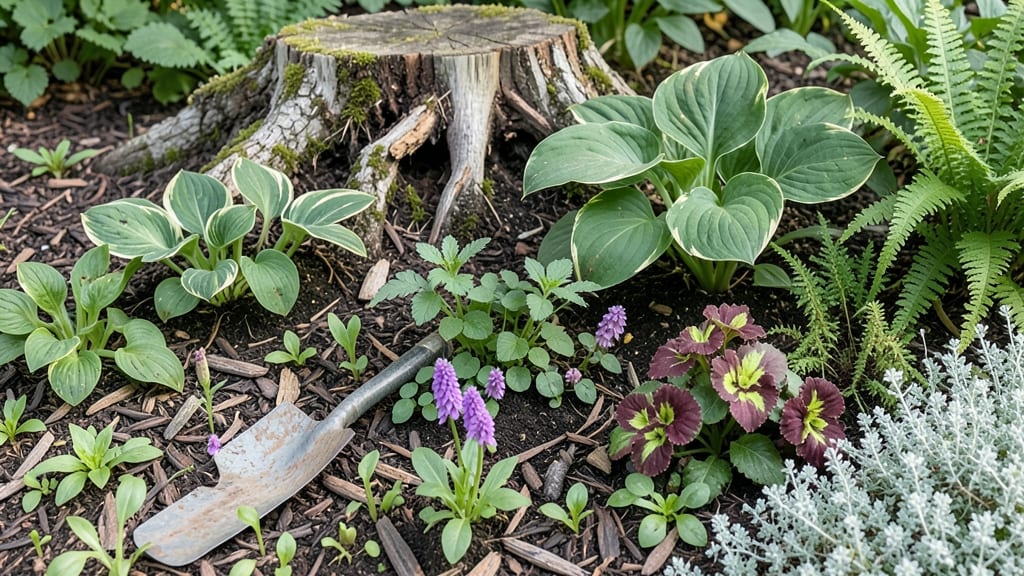
Covering tree stumps fast can transform an eyesore into a lush garden feature. 🌿 I’ve turned unsightly stumps into green focal points using plants that grow aggressively and blend seamlessly into the landscape—no more staring at bare wood all season.
The key is choosing plants that tolerate shade (since stumps block sunlight) and thrive in the same soil conditions as the original tree. Fast growers like English ivy or Hosta varieties spread quickly, while ornamental grasses add movement and texture.
These options work in most climates and require minimal maintenance once established. By late summer, you’ll have dense foliage that hides the stump completely, with blooms or seasonal color to boot. The best part? These plants attract pollinators and add layers to your garden design without needing a full redesign.
Works for both small yards and large landscapes—just pick plants that match your light and soil. Let’s get those stumps looking intentional!
📚 In This Guide
- What you need
- Instructions
- Tips and common mistakes
- Wrapping up and next steps
What you need
- ● Plants: 3–5 fast-growing, stump-friendly plants (e.g., Bamboo, Honeysuckle, Ivy, or Hostas)
- ● 1–2 shrubs (e.g., Boxwood, Holly, or Loropetalum) for structure
- ● Soil & Mulch: 1–2 bags of well-draining potting mix (50 lbs each)
- ● 2–3 cubic feet of mulch (wood chips or bark)
- ● Tools: 1 shovel or spade (for digging)
- ● 1 pruners or shears (for trimming)
- ● 1 gloves (to protect your hands)
- ● 1 watering can or hose (with a gentle spray nozzle)
- ● 1 fertilizer (slow-release or organic, like compost)
- ● 1 stump cover or landscape fabric (to prevent weeds)
- ● 1 stake or trellis (for climbing plants like ivy or honeysuckle)
- ● 1 post-hole digger (if planting shrubs deeper)
- ● 1 measuring tape (for spacing plants evenly)
Step-by-Step instructions for covering tree stumps with fast-growing plants
Here’s how to transform bare stumps into lush, private screens that grow fast and stay green year-round.
🌱 Step 1: Choose Fast-Growing, Stump-Friendly Plants
Select plants that thrive in shallow soil and tolerate root competition. I always pick bamboo (running types), ivy (English or Boston), or climbing roses—they smother stumps quickly while adding texture. Avoid slow growers like boxwood; you’ll wait years for coverage. Check your zone to ensure plants handle your climate.
For instant impact, combine evergreen shrubs (like holly or boxwood) with fast vines (like clematis). The shrubs provide structure, while vines fill gaps. Plant in spring or early fall when roots establish easily. Mulch heavily to retain moisture while roots spread.
🪴 Step 2: Prepare the Stump Surface for Planting
Clean the stump of debris but leave the top flat—no need to carve or drill. If the stump is still wet, let it dry for a few days to prevent rot. I like to score the surface lightly with a pruning saw (just shallow cuts) to create tiny pockets for roots to grip.
Spread a 2-inch layer of compost over the stump’s top. This mimics natural soil and gives plants nutrients right away. For larger stumps, add slow-release fertilizer mixed into the compost. Water deeply until the compost is damp but not soggy—this helps it stick to the stump.
☀️ Step 3: Plant Your Fast-Growing Cover
Start with bamboo or ivy cuttings—they root easily in shallow soil. Push 6-inch cuttings into the compost at a 45-degree angle, spacing them 6–12 inches apart around the stump’s edge. For vines, train them upward immediately with twine or trellis stakes to encourage vertical growth.
If using shrubs, dig a shallow trench around the stump’s base and plant them 3–4 inches deep, pressing soil firmly to eliminate air pockets. Water every other day for 2 weeks until new growth appears. Watch for yellowing leaves—this means overwatering or poor drainage.
💧 Step 4: Maintain for Rapid Growth and Privacy
Mulch again after planting with 3–4 inches of shredded bark to lock in moisture and block weeds. Water deeply once a week (more in drought) until plants establish. Prune leggy growth in early summer to encourage bushiness—this keeps plants dense and fast-growing.
Fertilize twice a year (spring and fall) with balanced 10-10-10 to fuel rapid foliage. Within 6–12 months, your stump will be fully covered, creating a natural privacy screen. For extra speed, add compost tea monthly to boost root and leaf growth.
✂️ Step 5: Prune and Refresh Annually
Trim back overgrown vines or shrubs in late winter to shape the screen and encourage new growth. I always cut back by 1/3 to prevent congestion. Remove any dead or diseased foliage immediately—this keeps the screen healthy and dense.
Top-dress with new compost every spring to replenish nutrients. If plants slow down, check for compacted soil or pests (like spider mites on ivy). A quick spray of neem oil resolves most issues without harming the plants. With consistent care, your stump screen will stay lush and private for years.
Tips & tricks for perfect fast-foliage stump screens
A few quick strategies that'll make your stump privacy screen grow faster and stay lush longer.
Root Grip Matters: Those shallow cuts you make with your pruning saw in Step 2 aren't just decorative—they create tiny pockets where roots can anchor. I've seen bamboo cuttings take root twice as fast when the stump surface has these little grooves. For extra grip, use a saw with fine teeth to make clean, shallow cuts without damaging the wood.
Plant Placement Hack: When spacing your 6-inch bamboo or ivy cuttings in Step 3, arrange them in a staggered pattern rather than straight lines. This creates a denser screen faster because the gaps between plants are smaller. Think of it like bricklaying—offset rows cover more surface area. For climbing roses, space them 18-24 inches apart to give their roots room to spread.
Watering Wisdom: The "every other day for 2 weeks" guideline in Step 3 works best with the right technique. Water deeply until you see moisture running out of the drainage holes in your watering can—that means the compost is getting fully saturated. Then let it drain completely before watering again. Overwatering causes the yellowing leaves you want to avoid, while proper drainage prevents root rot.
Fertilizer Timing: That twice-a-year 10-10-10 fertilizer application in Step 4 is perfect, but here's the pro move: split the dose into two applications—half in early spring when new growth starts, and half in late summer when plants are actively growing. This prevents nutrient burn while keeping your plants fed continuously. For extra speed, mix a handful of worm castings into the compost at planting time.
Pro Tips for Plants To Cover Tree Stumps
- A few quick strategies that'll make your stump privacy screen grow faster and stay lush longer.
- Root Grip Matters: Those shallow cuts you make with your pruning saw in Step 2 aren't just decorative—they create tiny pockets where roots can anchor.
- Plant Placement Hack: When spacing your 6-inch bamboo or ivy cuttings in Step 3, arrange them in a staggered pattern rather than straight lines.
Frequently asked questions
Got questions about covering tree stumps with plants? You’re not alone! Here are some of the most common concerns—and their answers—to help you get started with confidence.
What’s the fastest-growing plant to cover a tree stump?
If you need quick coverage, opt for bamboo (clumping varieties grow 1–3 feet per year) or honey locust (fast-growing with dense foliage). For smaller stumps, ivy or clematis climb aggressively within a season. Just ensure the plant matches your climate and sunlight!
How long does it take for plants to fully cover a stump?
Most plants take 1–3 years to fully cover a stump, depending on growth rate and care. Fast growers like bamboo or wisteria may cover it in 1–2 years, while slower options like boxwood or azaleas take longer. Patience pays off for a lush, natural look!
Can I use ground cover instead of climbing plants?
Ground covers like creeping juniper, pachysandra, or hostas work well for smaller stumps or if you prefer a low-maintenance look. Just ensure they spread quickly and tolerate your soil conditions. For larger stumps, combine ground cover with a climbing plant for fuller coverage.
What if my stump rots or attracts pests?
To prevent rot, ensure proper drainage around the stump and avoid waterlogging. For pests (like termites or carpenter ants), treat the stump with borax or boric acid before planting. If the stump decays quickly, consider replacing it with a gravel-filled planter or tree guard for stability.
Do I need to remove the stump before planting?
Not always! Small, stable stumps can support climbing plants like ivy or jasmine. However, if the stump is rotting, unstable, or too large, remove it first to avoid damage to roots or plants. For safety, fill hollow stumps with soil and mulch before planting.
Wrapping up and next steps
Transforming your tree stump into a lush, private haven is easier than you think! 🌿 Whether you opt for fast-growing grasses, hardy shrubs, or climbing vines, these plants not only enhance your landscape but also support local wildlife.
The key is choosing species that thrive in your climate and sunlight conditions—so grab your gardening gloves and get planting!
Ready to take the next step? Sketch a quick design of where you’d like your new foliage screen, then head to your local nursery to pick out your plants. With a little patience and care, you’ll soon enjoy a vibrant, year-round privacy oasis! 🌱