
Pruning
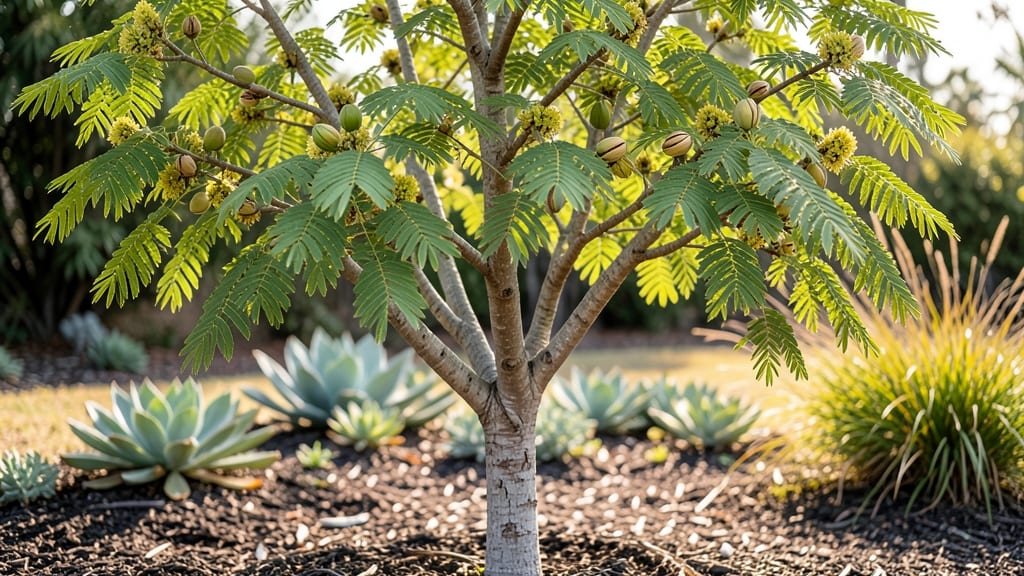
Growing pistachio trees in Florida means shaping them for year-round fruitfulness—but timing and technique make all the difference. 🌿 I’ve learned that Florida’s heat and humidity demand a different pruning rhythm than California’s cooler climates, where pistachios originated.
The key? Pruning in late winter and summer to balance growth and fruit production without stressing the tree.
First, you’ll need sharp pruning shears, a ladder (for mature trees), and a clear plan for removing dead wood while encouraging airflow. Florida’s sandy soil often drains too fast, so mulch heavily to retain moisture—pistachios hate drought stress.
And watch for aphids and psyllids, which thrive in Florida’s warm winters; a strong pruning schedule helps prevent infestations before they start.
By pruning correctly, you’ll coax your tree into producing denser canopies with more nuts—something I struggled with until I adjusted my approach. The first harvest might take 5–7 years, but each pruning session brings you closer.
Think of it as sculpting a tree that’s both beautiful and productive, even in Florida’s challenging climate.
For Florida-specific tips, check your local UF/IFAS Extension office—they’ve got regional insights on soil amendments and pest control that’ll save you time. Ready to shape your pistachio’s future? Let’s get started.
📚 In This Guide
- What you need
- Instructions
- Tips and common mistakes
- Wrapping up and next steps
What you need
- ○ Pruning Shears: Bypass pruners (for cuts up to ½ inch thick) – 1 pair (look for ergonomic grips and sharp stainless steel blades like blank">Felco F-2 or blank">Fiskars X27). Loppers: Bypass or anvil loppers (for branches ¾–2 inches thick) – 1 pair (choose ratcheting models for ease, like blank">Corona Ratchet Loppers). Pruning Saw: Curved-tooth pruning saw (for branches 2+ inches thick) – 1 (e.g., blank">Fiskars X21). Gloves: Heavy-duty gardening gloves (cut-resistant, like blank">Wolverine ToughTech) – 1 pair. Disinfectant: 70% isopropyl alcohol or rubbing alcohol (to sterilize tools between cuts) – small bottle. Sealing Wax: Pruning sealant (e.g., blank">Tanglefoot Tree Wound Pruning Seal) – 1 small tube (optional but helpful for large cuts). Ladder or Step Stool: Sturdy, extendable ladder (if tree is >6 feet tall) – 1 (ensure it’s non-slip and rated for your height). Safety Gear: Safety glasses (to protect from debris).
- ● Long-sleeved shirt and pants (to avoid scratches).
- ● Timing: Prune during dormant season (winter) or early spring (avoid Florida’s humid summers to prevent disease). ⏰ Pro tip: Check for pistachio bloom (tiny yellow flowers) before pruning—wait until after flowering if you want to preserve fruit!
- ● Weather: Choose a dry, overcast day (cuts heal faster in low humidity). Avoid pruning if rain is forecasted within 24 hours.
- ● Tree Health Check: Inspect for pests (e.g., aphids, spider mites) or diseases (e.g., botryosphaeria canker). Treat with neem oil or horticultural oil if needed.
- ● Remove dead, diseased, or crossing branches first—they’re your top priority!
- ● Cleanup Supplies: Heavy-duty trash bags (for debris).
- ● Rake or leaf blower (to clear area post-pruning).
- ● Tree Pruning Guide: A branching diagram or sketch of your tree’s structure (helps visualize cuts).
- ● Marking Twine: Colored twine (to temporarily mark branches for removal).
- ● Fertilizer: Slow-release nitrogen fertilizer (e.g., Espoma Garden-Tone) – 1 bag (apply 4–6 weeks after pruning to boost recovery).
- ● Mulch: Organic mulch (pine bark or wood chips) – 2–3 inches (spread around the base post-pruning to retain moisture).
Instructions for pruning Florida pistachio trees
Here's the seasonal approach I use to keep pistachio trees thriving in Florida's heat and humidity.
🌿 Step 1: Winter Pruning for Structural Foundation
Prune in late winter (February) when the tree is dormant but before new growth begins. This is when you establish your tree's framework. Remove any dead, diseased, or crossing branches first—they compete with healthy growth and invite pests. I always start with the highest branches and work downward to avoid climbing hazards.
Look for branches growing inward or rubbing against each other. These need removal immediately—they create wounds that weaken the tree. Cut back to the nearest outward-facing lateral bud or branch collar. For Florida's climate, aim to maintain an open center that allows sunlight to reach all branches. This prevents fungal issues that thrive in Florida's damp air.
☀️ Step 2: Summer Light Management
By mid-summer (June-July), pistachio trees in Florida can get stressed from intense sunlight. Thin the canopy by removing 20-30% of the smallest branches to improve air circulation. Focus on branches growing vertically—these create shade that reduces fruit production. I use sharp, clean pruners to make cuts just above a leaf node or lateral branch.
Watch for branches that have produced fruit that year—they'll have smaller, woodier leaves. These are candidates for selective pruning to encourage next year's crop. Never remove more than one-third of the canopy in a single season, or you'll shock the tree. Florida's heat demands careful balance—too much pruning leads to sunburned leaves.
✂️ Step 3: Post-Harvest Pruning for Next Year's Crop
After harvest (typically October-November), prune lightly to shape the tree for next season's fruit production. Remove any suckers or water sprouts that appear at the base or along branches—these divert energy from fruit development. Cut back any branches that bore fruit this year by one-third of their length to stimulate new growth.
This is also when I address any storm damage from Florida's summer thunderstorms. Make clean cuts at a 45-degree angle just outside the branch collar. Avoid leaving stubs—they invite decay. For larger branches, I use three cuts: an undercut, a top cut, and a final cut to remove the branch cleanly. Florida's humidity means wounds need to heal quickly.
⏰ Step 4: Year-Round Maintenance Checks
Inspect your tree monthly for dead or diseased branches that need immediate removal. Florida's pests like aphids and scale insects can weaken trees quickly. Prune out any infected branches at least 6 inches below the damage to ensure complete removal. I always sterilize my pruners with rubbing alcohol between cuts to prevent spreading disease.
Pay special attention to the tree's lower branches in spring. If they're shading the trunk, remove them to prevent fungal growth. Florida's wet springs create perfect conditions for trunk rot. Keep the base of the tree clear of debris and mulch with 2-3 inches of organic mulch, keeping it 6 inches away from the trunk to prevent moisture buildup.
Tips & tricks for pruning Florida pistachio trees
Took me years of trial and error to perfect this seasonal approach—here's what I've learned about keeping pistachio trees healthy in Florida's challenging climate.
Timing is Everything: Florida's climate makes precise timing critical. In Step 1, when pruning in late winter, check for bud swell on branches—this signals new growth is about to begin. If you prune too early, you'll remove potential fruiting wood; too late, and you'll encourage excessive spring growth that weakens the tree. I aim for mid-February when buds are still tight but leaves haven't emerged. For Step 2, watch the weather—prune during dry spells in June-July to prevent fungal infections from Florida's humidity.
Cutting Technique Matters: When making those 45-degree angle cuts in Step 3, the angle should be just outside the branch collar (that swollen area where the branch meets the trunk). I use the three-cut method for larger branches: first make a small undercut, then a top cut about 1-2 inches out, and finally remove the branch cleanly. This prevents tearing the bark, which Florida's humidity can turn into fungal entry points. Always sterilize your pruners between cuts—Florida's pests spread quickly through open wounds.
Seasonal Balance: The 20-30% canopy thinning in Step 2 might seem aggressive, but Florida's intense summer sun demands it. Too much shade in the canopy reduces fruit set by up to 40%. Look for branches with smaller, woodier leaves—these are the ones that produced fruit this year and should be selectively pruned to encourage next season's growth. Remember, never remove more than one-third of the canopy in any single season, especially in Florida's heat where trees recover more slowly.
Storm Damage Recovery: After Florida's summer thunderstorms, you'll often find broken branches. When addressing storm damage in Step 3, make your cuts just outside the branch collar and remove any remaining stubs immediately. Stub wounds take 3-4 times longer to heal in Florida's humidity compared to drier climates. I've seen cases where stubs became fungal hotspots within weeks—don't skip this critical step.
Pro Tips for Pistachio Tree Florida
- Took me years of trial and error to perfect this seasonal approach—here's what I've learned about keeping pistachio trees healthy in Florida's challenging climate.
- Timing is Everything: Florida's climate makes precise timing critical.
- Cutting Technique Matters: When making those 45-degree angle cuts in Step 3, the angle should be just outside the branch collar (that swollen area where the branch meets the trunk).
Frequently asked questions
Got questions about growing pistachio trees in Florida’s unique climate?
You’re not alone! Here are answers to common concerns—from pruning timing to troubleshooting—so you can keep your tree thriving and productive.
When is the best time to prune a pistachio tree in Florida?
Prune your pistachio tree twice a year: late winter (Jan–Feb) for structural shaping (before buds swell) and summer (June–July) to remove water sprouts and improve airflow. Florida’s mild winters mean you can avoid the harsh pruning restrictions of colder climates—just time it to skip frost risks!
Can pistachio trees survive Florida’s humidity and hurricanes?
Yes, but they need proper care! Pistachios thrive in dry climates, so Florida’s humidity can stress them—opt for well-draining soil and drip irrigation to avoid root rot. For storms, prune defensively: remove weak branches and stake young trees. If hurricanes are forecasted, prune early to reduce wind damage.
Why aren’t my pistachio tree’s nuts developing?
Poor nut production often stems from improper pruning, pollination issues, or environmental stress. Ensure your tree gets cross-pollination (plant two compatible varieties) and prune to open the canopy for sunlight. Florida’s heat can also cause flower drop—water deeply during bud formation (spring) and avoid over-fertilizing with nitrogen.
What’s a good alternative if pistachio trees struggle in my Florida zone?
If pistachios prove too finicky, consider hardier Florida-friendly nuts like:
- Pecan trees (native, drought-tolerant, cold-hardy to Zone 7)
- Macadamia (thrives in humidity, slow-growing but low-maintenance)
- Hazelnut bushes (compact, great for small spaces)
How do I fix overgrown or leggy pistachio branches?
Leggy growth usually means too much shade or poor pruning habits. Prune aggressively in late winter: cut back 1/3 of the oldest, overgrown branches to encourage new growth. For severe cases, thin the canopy by removing crossing or inward-growing branches to let sunlight penetrate. Fertilize lightly with phosphorus (for roots) and potassium (for fruit) post-prune.
Wrapping up and next steps
Growing a thriving pistachio tree in Florida is all about patience, precision, and a little seasonal know-how! 🌱 By mastering the art of year-round pruning—from winter shaping to summer thinning—you’ll unlock healthier branches, better air circulation, and a bountiful harvest.
Remember, consistency is key, and every snip brings you closer to that dream orchard.
Ready to transform your backyard? Start small: grab your tools, mark those branches, and take confident cuts. Your future pistachio harvest is just a prune away!