
Pruning
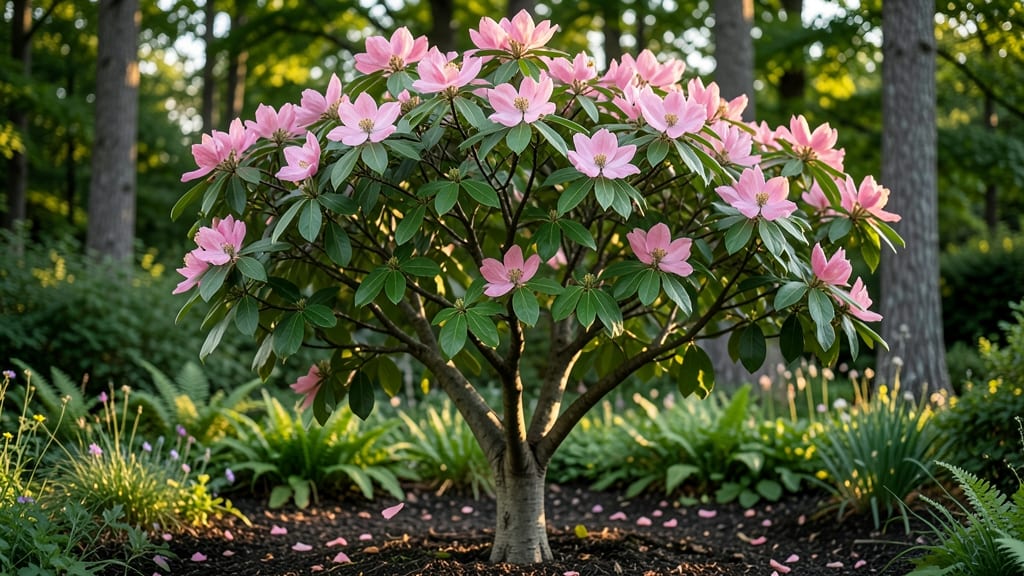
The pink dogwood tree height at maturity typically reaches 15–30 feet tall, with some varieties like 'Cherokee Brave' staying compact at 12–15 feet—but its growth depends on sunlight, soil, and pruning.
I’ve watched mine stretch toward the sky in my backyard, its pink blooms lighting up the spring shade. Without pruning, it grows 1–2 feet per year, but crowded roots or poor soil can stunt it.
The key to managing height lies in late-winter pruning—cutting back 1/3 of the branches to encourage bushier growth and prevent overreaching. Thin out crossing branches first, then shape the canopy. Varieties like 'Rubra' stay shorter (15–20 feet), while 'Appalachian Spring' can hit 30 feet if left unchecked.
What you’ll notice is a tree that balances grace and structure—pruned dogwoods bloom more abundantly and resist storm damage. The trade-off? Heavy pruning can delay spring flowers by a few weeks, but the long-term payoff is a tree that fits your space.
For beginners, start with light pruning to observe how your tree responds. Over time, you’ll learn its natural rhythm—some years it surges, others it pauses. That’s the beauty of dogwoods: they grow with you.
📚 In This Guide
- What you need
- Instructions
- Tips and common mistakes
- Wrapping up and next steps
What you need
- ● Measuring tape (25–50 ft) – For accurate height tracking (extendable tape works best!)
- ● Pruning shears – Bypass pruners (sharp, 6–8" blades) for small branches.
- ● Loppers – 8–10" handles for thicker branches (up to 2" diameter).
- ○ Pruning saw (optional) – For branches >2" thick (folding saw with a curved blade recommended).
- ● Ladder (or step stool) – Extendable aluminum ladder (16–20 ft) for tall trees; ensure stability!
- ● Gloves (cut-resistant) – Protect hands from thorns and rough bark.
- ● Disinfectant (70% isopropyl alcohol or bleach solution) – Clean tools between cuts to prevent disease.
- ○ Tree wound dressing (optional) – Pruning sealant (use sparingly; research-backed for large cuts only).
- ● Notebook & pen – Track growth zones, pruning dates, and observations.
- ● Weather check – Prune on a dry, cloudy day (avoid frost or extreme heat).
- ● Personal protective equipment (PPE): Safety glasses
- ● Long sleeves/pants (to avoid scratches)
- ● Closed-toe shoes or boots
- ● Tree health assessment – Inspect for pests/disease before pruning (e.g., check for borer holes or fungal spots).
- ● Local regulations – Verify if your area requires permits for large tree pruning (common in urban zones).
How to manage pink dogwood tree height through pruning and growth zones
Pink dogwoods grow into stunning specimens, but their mature height depends on variety, pruning, and your climate zone.
Identify Your Dogwood Variety and Growth Zone
First, determine your dogwood's specific variety—some like 'Cherokee Brave' stay under 15 feet, while others like 'White Winter Halo' can reach 30 feet at maturity. Check your USDA hardiness zone (most pink dogwoods thrive in zones 5-9). A zone 6 tree may grow taller than its zone 9 counterpart due to longer growing seasons.
Look for the tree's natural growth habit: upright stems with horizontal branches form the classic dogwood silhouette. If your tree already shows leggy growth (long, thin branches with sparse foliage), it needs structural pruning to encourage a fuller shape. Measure the trunk diameter at chest height—thicker trunks typically support taller growth.
Prune for Height Control During Dormant Season
The best time to prune for height control is late winter or early spring, just before buds swell but before new growth begins. Use clean, sharp pruners to make cuts at a 45-degree angle, about ¼ inch above an outward-facing bud. Never remove more than 25% of the canopy in one season—this stresses the tree and invites disease.
For height reduction, target the uppermost branches first. Cut just above a lateral branch or bud to encourage fuller growth lower on the tree. Avoid "topping" (cutting the main stem flat)—this creates ugly stubs and weak regrowth. If your tree is over 20 feet, consider hiring a certified arborist for safe pruning.
Maintain Canopy Balance for Structural Integrity
Dogwoods naturally develop a tiered shape, but improper pruning can lead to one-sided growth or weak crotches. After the first flush of spring growth, inspect the tree for water sprouts (fast-growing vertical shoots) or deadwood. Remove these immediately—they divert energy from the main structure and can attract pests.
Thin the canopy by selectively removing branches that cross or rub. Aim for even light penetration through the center—this prevents fungal issues like anthracnose, which thrives in shaded, damp conditions. A properly balanced canopy reduces wind stress, helping the tree maintain its intended height over time.
Adjust Watering and Fertilization for Controlled Growth
Over-fertilizing with high-nitrogen products (like lawn fertilizer) encourages rapid, weak growth that can make a dogwood top-heavy and prone to storm damage. Instead, use a balanced, slow-release fertilizer (10-10-10 or similar) in early spring and fall, applying it 6 inches from the trunk and watering it in immediately.
Water deeply once a week during dry spells, ensuring the soil remains 2-3 inches moist but not soggy. Dogwoods hate "wet feet"—poor drainage can stunt root growth and weaken the tree's ability to support its intended height. Mulch with 3 inches of organic mulch (like wood chips) to retain moisture and regulate soil temperature.
Monitor for Pests and Diseases That Affect Height
Dogwoods are susceptible to borers, scale insects, and powdery mildew, all of which can stunt growth or cause dieback. Inspect the tree monthly for signs like sawdust-like frass (borer droppings), sticky sap (scale), or white powdery patches (mildew). Treat problems early with neem oil (for pests) or fungicide (for mildew), following label instructions carefully.
If you notice leaf scorch (brown edges) or premature leaf drop, these could signal bacterial leaf spot or cultural stress from improper watering. Adjust your care routine immediately—stressed trees grow poorly and may not reach their expected mature height. A healthy dogwood with proper pruning and maintenance will naturally grow to its variety's intended size without excessive height.
Tips & tricks for managing pink dogwood tree height
Keeping your pink dogwood at its ideal height takes patience and precision—here's how to avoid common pitfalls while maximizing your tree's potential.
Variety-Specific Pruning: When selecting branches to prune in Step 2, prioritize those growing beyond your desired height for your specific variety. For example, if you planted 'Cherokee Brave' (15 feet max), focus on removing any vertical growth extending beyond that height. Remember, dogwoods respond best to gradual height reduction—never cut more than 25% of the canopy in a single season, as this can shock the tree and lead to stunted growth.
Canopy Light Penetration Check: After thinning branches in Step 3, test light penetration by standing directly beneath the tree on a sunny day. You should see dappled sunlight reaching the ground through the canopy. If large areas remain completely shaded, continue removing crossing branches until you achieve even light distribution. This simple visual check prevents fungal issues like anthracnose that thrive in dark, damp conditions.
Fertilizer Timing Strategy: The instructions specify applying balanced fertilizer in early spring and fall, but here's the pro tip: split the spring application into two doses—half in early spring when buds swell, and the remaining half after the first flush of new growth. This staggered approach prevents rapid, weak growth that can make dogwoods top-heavy and vulnerable to storm damage, while still supporting healthy height development.
Pest Prevention Calendar: Create a monthly inspection schedule starting in early spring when you begin pruning. Focus on these critical times: April (water sprouts emerge), June (scale insects become active), and September (borers begin overwintering). Early detection of these pests prevents them from diverting energy from your tree's vertical growth pattern, which is essential for maintaining controlled height.
Pro Tips for Pink Dogwood Tree Height
- Keeping your pink dogwood at its ideal height takes patience and precision—here's how to avoid common pitfalls while maximizing your tree's potential.
- Variety-Specific Pruning: When selecting branches to prune in Step 2, prioritize those growing beyond your desired height for your specific variety.
- Canopy Light Penetration Check: After thinning branches in Step 3, test light penetration by standing directly beneath the tree on a sunny day.
Frequently asked questions
Got questions about your pink dogwood tree’s height or care? Here are answers to the most common ones to help you keep your tree thriving!
How tall does a pink dogwood tree typically grow?
A mature pink dogwood (Cornus florida) usually reaches 15 to 30 feet tall, though some dwarf varieties stay under 10 feet. Height depends on soil, sunlight, and pruning habits—so give it space to grow!
How long does it take for a pink dogwood to reach full height?
Pink dogwoods grow at a moderate rate of 1 to 2 feet per year. Expect it to reach its mature height in 10 to 15 years, though flowering and foliage may appear much sooner (often within 3–5 years).
Can I prune a pink dogwood to control its height?
Yes! Prune in late winter or early spring before buds swell to shape the tree. Avoid heavy cuts—focus on removing dead branches or thinning out crowded growth. Never prune after summer, as it may reduce next year’s blooms.
What if my pink dogwood isn’t growing tall enough?
Check your tree’s growing conditions: Ensure it gets full sun to partial shade and well-draining soil. If growth is stunted, test soil pH (ideal: 5.5–6.5) and fertilize lightly with acidic compost. Poor drainage or pests (like borers) could also be the culprit.
Are there shorter pink dogwood alternatives?
If space is limited, consider these compact options:
- ‘Cherokee Brave’ – 5–6 ft tall, disease-resistant
- ‘Rubra’ – 15–20 ft but slower-growing
- ‘Stella’ – 6–8 ft, white-pink blooms
Wrapping up and next steps
Now that you know pink dogwood trees can reach 15–30 feet at maturity—and how to nurture their growth—you’re ready to give your tree the care it deserves! 🌸 Whether you’re planning a cozy backyard spot or enhancing your landscape, these tips will help you prune with confidence and enjoy their stunning blooms for years.
Your next step? Mark your calendar for late winter or early spring—when the tree is dormant—and get pruning! With the right tools and techniques, you’ll keep your pink dogwood thriving and show-stopping.