
Diseases
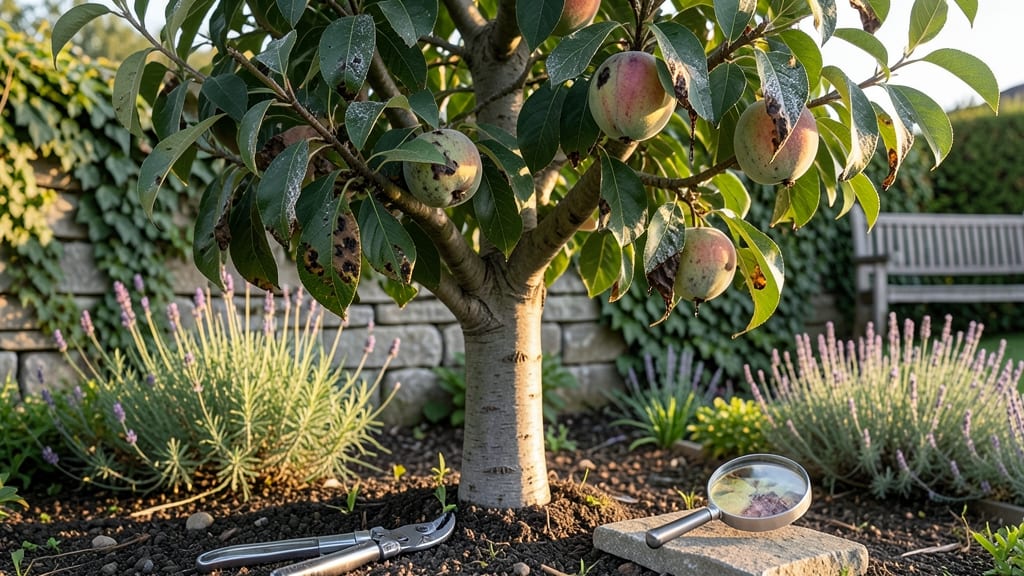
Spotting pictures of peach tree diseases early saves your harvest—and your tree. 🌿 The moment you notice strange spots on leaves, oozing cankers, or premature fruit drop, you’re looking at brown rot, bacterial spot, or leaf curl. These diseases don’t just ruin fruit; they weaken the whole tree if ignored.
Brown rot starts with tiny white fungal spots that turn brown and fuzzy, while bacterial spot creates water-soaked marks that eventually turn yellow. Leaf curl? Look for thickened, puckered leaves in early spring. Each disease thrives in wet conditions, so proper spacing and airflow are your first line of defense.
With the right pictures and descriptions, you’ll learn to act fast—pruning infected branches, applying copper sprays, or using organic fungicides like neem oil. Prevention is easier than cleanup, and catching these early means healthier trees and sweeter peaches by summer.
This guide covers the most common diseases with clear visuals, so you’ll know exactly what to watch for. No more guessing—just confident identification and solutions that work. Let’s get your peach tree back to peak health.
Root Causes Of Tree Stress
Peach trees, like all fruit-bearing plants, are vulnerable to diseases when their natural defenses weaken. Understanding the why behind these vulnerabilities helps you take preemptive action.
Below, we break down the key factors that make peach trees susceptible to fungal infections, bacterial rot, and other common ailments—so you can address them before they escalate.
Peach trees thrive in specific conditions, and when those conditions shift—whether due to weather, soil, or climate—stress sets in. This weakened state opens the door for pathogens to invade.
- Extreme Temperatures Peach trees prefer moderate climates (USDA Zones 5–9). Frost damage in early spring or late fall can kill young shoots, while heatwaves above 95°F (35°C) cause sunburn and reduce photosynthesis.
Both scenarios weaken the tree’s immune response, making it easier for diseases like brown rot or leaf spot to take hold.
- Poor Drainage & Waterlogging Peach trees hate "wet feet." Soggy soil (especially in winter) deprives roots of oxygen, leading to root rot (often caused by Phytophthora fungi). Even well-drained soil can become problematic if overwatered, creating a damp canopy that encourages bacterial leaf spot or powdery mildew.
- High Humidity & Rainfall Peach trees need moisture, but prolonged humidity (above 75%) creates the perfect breeding ground for fungal spores. Diseases like peach scab (Cladosporium carpophilum) and rust (Tranzschelia discolor) thrive in these conditions.
Heavy rain can also wash away protective wax coatings on leaves, leaving them vulnerable to infection.
Diseases don’t just appear—they’re introduced by external factors. Peach trees are often infected through contaminated tools, infected nursery stock, or neighboring plants.
- Contaminated Pruning Tools Fungal spores like Monilinia (brown rot) can hitch a ride on dull or dirty pruners. If you cut an infected branch without sterilizing your tools (with 70% isopropyl alcohol or a bleach solution), you’re essentially spreading the disease to healthy parts of the tree.
- Infected Plant Material Buying grafted peach trees with latent infections or planting wild peach seedlings (which may carry rust or scab) can introduce diseases into your orchard. Always inspect new plants for discolored leaves, cankers, or unusual spots before bringing them home.
- Wind & Insect Vectors Some pathogens, like peach leaf curl (Taphrina deformans), rely on wind to spread spores in late winter. Meanwhile, aphids, mites, and Japanese beetles can transmit viruses (e.g., peach yellows) or create wounds that invite secondary infections.
Even the hardiest peach trees suffer when basic care is neglected. These human-made mistakes are often the real culprits behind outbreaks.
- Overcrowded Plantings Peach trees need 12–15 feet of space between them for proper airflow. Tight spacing creates a humid microclimate, trapping moisture and spores. This is a recipe for powdery mildew or anthracnose.
- Improper Pruning Heavy pruning in late summer or fall (when new growth is tender) invites infections. Additionally, leaving stubs or cutting too close to the trunk creates entry points for bacteria like Pseudomonas syringae, leading to bacterial canker.
- Excessive Nitrogen Fertilizer While nitrogen promotes leafy growth, too much weakens the tree’s structural integrity and makes it more susceptible to wind damage and fungal entry points. A balanced 10-10-10 or 12-12-17 fertilizer (with micronutrients like zinc and boron) supports resilience.
- Ignoring Debris & Mulch Leaving fallen leaves, mummified fruit, or thick mulch against the trunk creates a damp, dark environment where pathogens like Monilinia overwinter. Always clean up debris in late fall and use 3–4 inches of organic mulch (like wood chips) away from the trunk.
Just like humans, peach trees have an immune system—and when it’s compromised, diseases strike fast.
- Nutrient Deficiencies A lack of zinc, magnesium, or iron (common in alkaline soils) leads to chlorosis (yellowing leaves), which reduces the tree’s ability to fight off infections. Conduct a soil test every 2–3 years and amend with chelated micronutrients if needed.
- Root Damage from Compaction or Pests Grubs, nematodes, or compacted soil disrupt root function, starving the tree of water and nutrients. This stress makes it easier for root rot or crown rot to establish. Aerate the soil annually and apply beneficial nematodes if pests are suspected.
- Viral or Fungal Latency Some diseases, like peach mosaic virus, lie dormant in the tree until stress triggers an outbreak. If your tree has stunted growth, deformed leaves, or dieback, it may already be harboring an unseen pathogen. Remove and destroy infected wood immediately to prevent spread.
Quick Fixes for Peach Tree Ailments
Peach trees are resilient, but when diseases like blight, rust, or rot strike, swift action is key to saving your harvest. Below, we break down practical, step-by-step solutions tailored to each common issue—plus prevention tips to keep your tree thriving. 🌱🛡️
Cause: Fungal infections (Cladosporium, Cercospora) thrive in wet, humid conditions.
How to Treat It:
- 🍂 Prune & Remove Infected Leaves
- Use sterilized pruners (wipe with rubbing alcohol) to cut out all spotted leaves and branches.
- Bag and discard debris in the trash (not compost)—fungi spread easily!
- 💦 Apply Fungicide (Organic or Chemical)
- Prevention (early spring): Spray with copper fungicide (organic) or neem oil (1 tbsp per gallon of water).
- Active outbreak: Use chlorothalonil or myclobutanil (follow label rates). Reapply every 7–14 days after rain.
- 🌡️ Improve Airflow & Reduce Moisture
- Thin out dense branches to let sunlight and air circulate.
- Water early in the morning (avoid overhead sprinklers).
- Mulch properly: Keep mulch 3–4 inches deep but 6 inches away from the trunk to prevent rot.
Cause: Taphrina deformans fungus overwinters on buds, infecting new growth.
How to Treat It:
- ⏰ Act Fast in Early Spring
- Spray dormant oil or copper fungicide before buds swell (late winter/early spring).
- Reapply every 10–14 days during wet seasons.
- 🌿 Prune & Burn Severely Infected Branches
- Remove all curled leaves and sterilize tools between cuts.
- Burn or trash infected debris—do not compost.
- 🌞 Choose Resistant Varieties
- Plant ‘Redhaven’ or ‘Elberta’ peach trees (some cultivars are less susceptible).
Cause: Tranzschelia discolor fungus spreads via spores, often from nearby berry plants.
How to Treat It:
- 🧹 Clean Up Debris Thoroughly
- Remove fallen leaves and rust spores from the ground.
- Solarize soil (cover with clear plastic for 4–6 weeks in summer) to kill spores.
- 🍄 Use Fungicides Proactively
- Preventive spray: Sulfur-based fungicide (early spring) or potassium bicarbonate (1 tbsp/gallon).
- During outbreak: Tribasic copper sulfate (every 2 weeks).
- 🌳 Avoid Overcrowding
- Plant peach trees at least 20 feet apart from other stone fruits (plums, cherries) to reduce spore transfer.
Cause: Overwatering, poor drainage, or Phytophthora fungus.
How to Treat It:
- 💧 Fix Watering Habits Immediately
- Stop watering until the top 6 inches of soil are dry.
- Water deeply but infrequently (1–2 inches per week).
- 🔪 Prune Damaged Tissue
- Cut out soft, mushy bark with a sterilized knife down to healthy wood.
- Do not prune during wet weather—wait for dry conditions.
- 🏗️ Improve Drainage
- Raise the tree by mounding soil around the base (but not touching the trunk).
- Aerate compacted soil with a garden fork.
- 🌡️ Monitor Weather: Fungus loves 70°F + high humidity—spray fungicides before rain.
- 🍄 Rotate Fungicides: Alternate between copper, sulfur, and neem to prevent resistance.
- 🌱 Plant Smart: Avoid planting peach trees in low-lying areas where water pools.
- 🐞 Encourage Beneficial Insects: Ladybugs and lacewings eat fungus-loving pests—plant dill or marigolds nearby.
If your tree shows sudden wilting, oozing sap, or widespread dieback, it may need professional diagnosis—some diseases (like bacterial leaf spot) require aggressive treatment or tree removal.
Remember: Early action is your best defense! With these fixes, your peach tree can bounce back—and next season, you’ll be one step ahead of disease. 🍑💪
Frequently asked questions about peach tree diseases
What’s the first sign that my peach tree has brown rot?
Look for tiny white or pink fungal spots on blossoms or fruit that quickly turn brown and fuzzy. These spots appear in spring and spread rapidly if left untreated. The fungus (Monilinia) also causes mummified fruit to cling to branches—remove and destroy these immediately to stop the cycle.
Can I save a peach tree with bacterial spot?
Yes, but act fast! Prune out all infected leaves (they’ll have water-soaked spots that turn yellow) and apply copper fungicide every 10–14 days. Severe cases may require systemic fungicides like myclobutanil. Avoid overhead watering to reduce spore spread—this disease thrives in wet conditions.
Why do my peach leaves look curled and thickened?
That’s peach leaf curl, caused by the fungus Taphrina deformans. The curled, puckered leaves appear in early spring and can reduce fruit production. Treat with dormant oil or copper fungicide before buds swell (late winter). Remove infected leaves and sterilize pruners to prevent spread.
Is rust disease contagious to other fruit trees?
Yes! Peach rust (Tranzschelia discolor) spreads via spores carried by wind or water to nearby stone fruits like plums and cherries. To prevent cross-contamination, remove fallen leaves thoroughly, solarize soil, and plant peach trees at least 20 feet away from other susceptible trees.
How do I know if my peach tree has root rot?
Check for soft, mushy bark at the base, yellowing leaves, and slow growth despite proper care. Root rot (often from Phytophthora) thrives in soggy soil—improve drainage by raising the tree’s base with soil mounds and watering deeply but infrequently (1–2 inches per week).