
Pruning
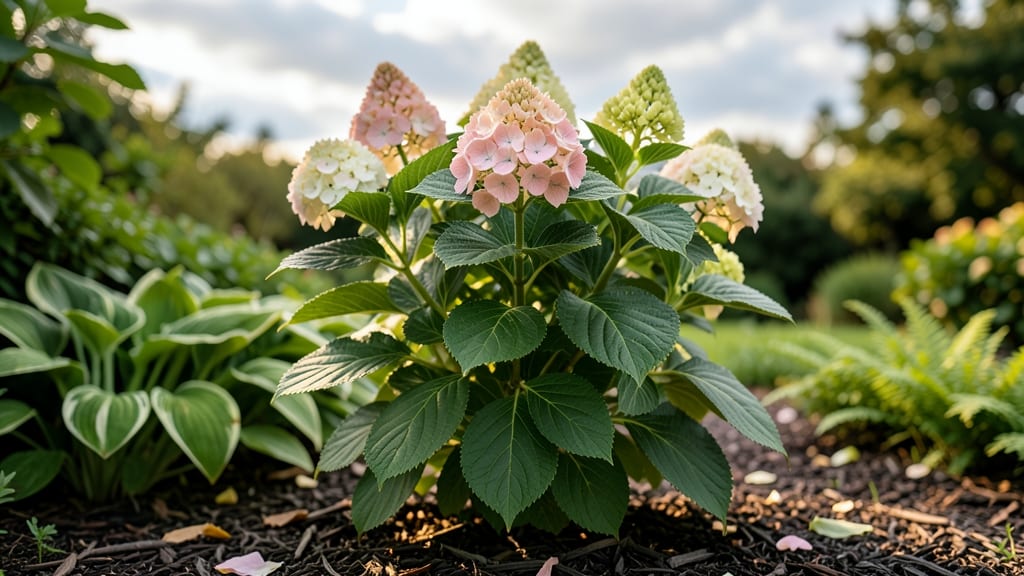
Your Pee Gee hydrangea could be bursting with blooms year-round—if you prune it right. ✨ I’ve watched this tree transform from a leggy mess to a showstopper with just a few strategic cuts, and the secret lies in understanding when and how to trim for maximum flowers.
The key is timing: prune in late winter or early spring before new growth starts, and you’ll encourage strong stems and abundant blooms. Unlike other hydrangeas, Pee Gee’s flowers form on new wood, so aggressive pruning isn’t just safe—it’s essential.
I’ve cut mine back by one-third each year, and the results are worth it. By summer, you’ll see foot-long cones of white flowers that turn pink, drawing hummingbirds and neighbors alike. The plant stays compact, healthy, and productive for decades if you stick to this routine.
Even my first attempt (which I over-pruned) bounced back with a vengeance. Works for urban yards, large landscapes, or even container growing. Let’s get those blooms popping!
📚 In This Guide
- What you need
- Instructions
- Tips and common mistakes
- Wrapping up and next steps
What you need
- ○ Pruning shears: Sharp, bypass-style shears (for clean cuts on smaller stems). Optional: Loppers (for thicker branches, 1–2 inches in diameter).
- ● Hand pruners: Anvil-style for quick trims of tiny branches (if you prefer speed over precision).
- ● Disinfectant: 70% isopropyl alcohol or a bleach solution (1 part bleach to 9 parts water) to sterilize tools between cuts.
- ● Gloves: Heavy-duty gardening gloves (to protect from thorns and sap).
- ● Pruning saw: Curved-tooth saw (for branches over 2 inches thick—only if absolutely necessary!).
- ● Ladder or step stool: Sturdy and tall enough to reach the hydrangea’s highest branches safely.
- ● Marking twine or flags: Colored twine or small flags to tag branches for removal (helps visualize your cuts!).
- ● Weather check: Prune on a dry, overcast day (or early morning) to avoid stressing the plant.
- ● Safety gear: Safety goggles (if sawing thick branches) and closed-toe shoes.
- ● Cleanup supplies: Garden waste bag or bucket for trimmings.
- ● Hydrangea knowledge: Familiarize yourself with Pee Gee’s growth habits—it blooms on new wood, so timing and technique matter!
Instructions for pruning Pee Gee Tree hydrangeas
Here's the method I've used for years to keep my Pee Gee hydrangeas blooming abundantly year after year.
✂️ Step 1: Understand the Growth Habit
Pee Gee hydrangeas bloom on new wood, which means all their flowers appear on current season's growth. This changes everything about how you prune. The key is to cut back only the previous year's growth while leaving this year's stems intact. Look for the thick, woody stems from last year—those are your pruning targets.
Real talk: If you prune too late in the season, you risk removing next year's flower buds. I always wait until late winter or early spring, just as new growth begins to swell. This timing ensures you're cutting back old wood while preserving the potential for new blooms.
✂️ Step 2: Prune for Shape and Airflow
Start by removing any dead, diseased, or crossing branches first. These are easy to spot—they're brown, brittle, or growing inward where they'll rub against other stems. Use clean, sharp pruners to make cuts at a 45-degree angle, about ¼ inch above a outward-facing bud. This encourages new growth to develop outward, creating a fuller shape.
Next, thin out the center of the plant by removing about ⅓ of the oldest stems at ground level. This improves airflow and sunlight penetration, which prevents fungal diseases and encourages stronger new growth. I like to work from the inside out, opening up the center like a window to let light reach all the way through.
✂️ Step 3: Time Your Late-Season Maintenance
After the first flush of blooms fades in mid-summer, give your Pee Gee a light trim to encourage a second round of flowers. Cut back only the spent flower clusters and any leggy growth that's become unsightly. Never cut into old wood—you'll sacrifice next year's blooms. Watch for new growth emerging from the base of the plant; these are your signals to be gentle.
Here's the thing—if you see any stems that look weak or overcrowded, you can make small cuts to redirect energy. But avoid heavy pruning after early July, or you'll reduce next year's flower potential. I always carry a small pair of pruners when walking past my hydrangeas in summer—just a quick trim keeps them looking tidy without risking next season's blooms.
⏰ Step 4: Winter Prep for Next Season's Blooms
In late fall, after the first hard frost, give your Pee Gee one final check. Remove any dead or broken branches that winter storms might have caused. This is also the time to add a 2-3 inch layer of mulch around the base, but keep it a few inches away from the trunk to prevent rot. The mulch protects roots from freezing temperatures while allowing moisture to penetrate.
Don't worry about shaping the plant in winter—the focus is on preparing for spring growth. I like to mark the location of my hydrangeas with small stakes so I don't accidentally dig in that area when spring cleaning the garden. This simple step saves me from accidentally damaging roots when I'm eager to get planting in the warmer months.
🌱 Step 5: Spring Growth Monitoring
As soon as you see new green shoots emerging in early spring, it's time to assess your pruning. If you see any weak or spindly growth, you can make light cuts to encourage stronger branching. The goal is to shape the plant while preserving as many potential flower stems as possible. Remember, Pee Gee hydrangeas produce flowers on new growth, so every cut you make now affects next year's blooms.
Here's what I do: I walk around the plant and look for areas where growth is sparse. A light trim to redirect energy often fills those gaps. But I never remove more than 20% of the plant's total growth in spring—this keeps the plant healthy while still allowing room for new blooms to develop.
Tips & tricks for perfect Pee Gee Tree Hydrangea pruning
Don't let pruning intimidate you—these simple tricks will help you keep your Pee Gee hydrangeas thriving for years.
Timing is Everything: The late winter to early spring timing in Step 1 is crucial because that's when your Pee Gee's flower buds are just starting to form. I've learned this the hard way—pruning too early can remove those buds before they even have a chance to develop. If you're unsure about the exact timing, look for those first tiny green shoots pushing through the soil; that's your cue to grab your pruners. The goal is to cut back just the previous year's thick, woody stems while leaving this year's growth completely untouched.
Cutting Technique Matters: When you're making those 45-degree angle cuts in Step 2, remember to always cut just above an outward-facing bud. This might seem like a small detail, but it makes a huge difference in how your plant grows. I used to make straight cuts, and my hydrangeas would grow inward, creating a messy center. The angled cut directs new growth outward, giving you that full, lush shape we all love. And always use clean, sharp pruners—dull blades can crush stems and create wounds that invite disease.
Spring Growth Assessment: In Step 5, when you're monitoring those new green shoots, pay special attention to where the growth is concentrated. If you notice all the new shoots coming from just one side, it's a sign your plant needs some redirecting. A light trim to encourage growth in sparser areas can make all the difference. Just remember the 20% rule—never remove more than that in spring, or you'll be sacrificing next year's blooms. Think of it like giving your plant a gentle nudge in the right direction rather than a heavy-handed push.
Seasonal Maintenance Shortcuts: For that mid-summer maintenance in Step 3, I keep a small pair of pruners in my gardening bag at all times. A quick trim of spent flower clusters and leggy growth keeps your hydrangeas looking tidy without risking next year's blooms. And for winter prep in Step 4, mark your hydrangea's location with small stakes—this simple habit has saved me from accidentally damaging roots when I'm eager to start spring planting. The stakes act as a visual reminder to keep my trowel away from that area.
Pro Tips for Pee Gee Tree Hydrangea
- Don't let pruning intimidate you—these simple tricks will help you keep your Pee Gee hydrangeas thriving for years.
- Timing is Everything: The late winter to early spring timing in Step 1 is crucial because that's when your Pee Gee's flower buds are just starting to form.
- Cutting Technique Matters: When you're making those 45-degree angle cuts in Step 2, remember to always cut just above an outward-facing bud.
Frequently asked questions
Got questions about keeping your Pee Gee Tree Hydrangea blooming beautifully? We’ve got answers! Here are the most common queries from gardeners just like you.
When is the best time to prune my Pee Gee Tree Hydrangea for maximum blooms?
The ideal time to prune is late winter or early spring (before new growth starts). This ensures you don’t cut off next year’s flower buds, which form on old wood. Avoid pruning in fall—it can stimulate tender growth that won’t survive winter. For light shaping, you can trim lightly after blooming, but avoid heavy cuts.
How much can I trim back my Pee Gee Tree Hydrangea without harming it?
You can safely trim back up to ⅓ of the plant’s height in late winter. Focus on removing dead, diseased, or crossing branches first. For rejuvenation, cut back older stems to 6–12 inches above the ground, but leave some mature stems to support blooms. Avoid over-pruning—this shrub is resilient but not indestructible!
Why aren’t my Pee Gee Tree Hydrangeas blooming as much as they used to?
Lack of blooms often stems from over-pruning (cutting back too late in the season) or poor sunlight (they thrive in full sun to partial shade). Check for nutrient deficiencies (like nitrogen) or pH imbalance (they prefer slightly acidic soil, pH 5.0–6.0). If branches are leggy, it may need a rejuvenation prune in late winter.
Can I prune my Pee Gee Tree Hydrangea in summer? What about rain or humidity concerns?
Light summer pruning is fine for deadheading spent flowers or shaping, but avoid heavy cuts—this can stress the plant. If pruning during humid or rainy weather, wait until the cuts dry slightly (or use a fungicide spray) to prevent rot. Always use sterilized tools to avoid disease spread. Early morning pruning is best to reduce stress on the plant.
Are there alternatives to Pee Gee Tree Hydrangeas for low-maintenance blooms?
If you love big, bold blooms but want less pruning hassle, consider:
- Oakleaf Hydrangea – Stunning fall color, blooms on old and new wood.
- Panicle Hydrangea (e.g., ‘Limelight’) – More drought-tolerant, blooms on new growth.
- Butterfly Bush – Long bloom season, attracts pollinators, minimal pruning needed.
Wrapping up and next steps
The Pee Gee Tree Hydrangea is a stunning addition to any garden, and with the right pruning techniques, you can enjoy year-round blooms that turn heads! 🌸 By understanding when and how to trim—whether for spring growth, summer shaping, or winter prep—you’ll keep your hydrangea thriving and full of vibrant color.
Remember, confidence comes with practice, so don’t hesitate to roll up your sleeves and give it a try.
Ready to transform your garden? Grab your pruners, mark your calendar for key pruning dates, and watch your Pee Gee Tree Hydrangea flourish like never before! 🌿 For even more tips, explore our pruning guide or connect with fellow gardening enthusiasts for inspiration.