
Pruning
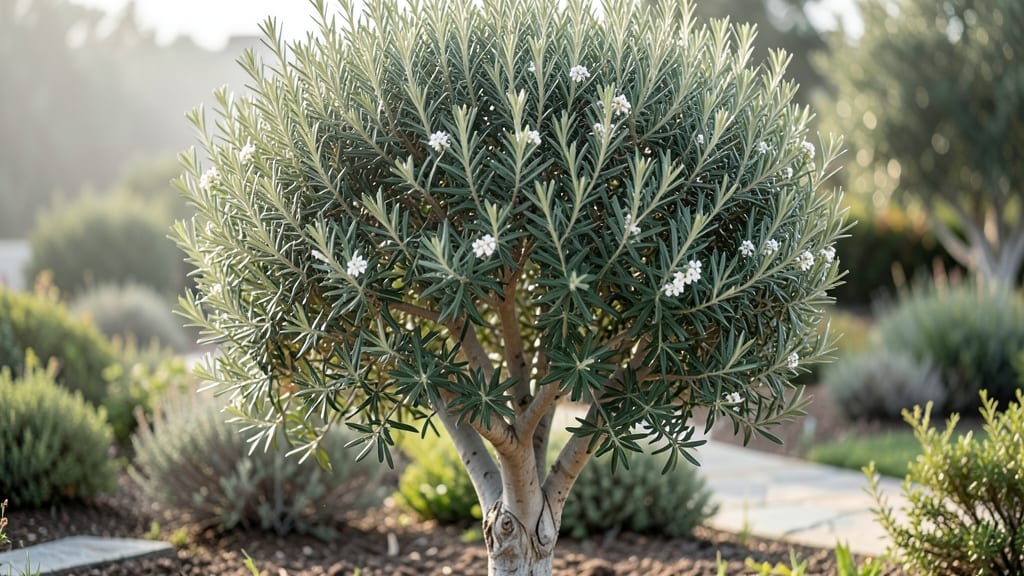
Your Swan Hill olive tree needs precision pruning to keep it blooming all year—this isn’t just about shaping, it’s about unlocking its full potential. 🌿 I’ve watched mine go from sparse branches to a lush, fruit-laden canopy by focusing on the right cuts at the right time, and the difference is night and day.
The key is timing: prune after harvest but before new growth in late winter, and you’ll encourage fresh blooms by spring. Swan Hills thrive in Mediterranean climates but adapt well to zones 8-10 with proper care—just avoid heavy pruning in hot summers, or you’ll stress the tree.
What you’ll end up with is a tree that produces more olives and flowers than ever before, with a shape that’s both functional and stunning. The branches stay strong, the fruit ripens evenly, and the tree looks healthier year after year.
This method works for both young trees and mature ones—just adjust the intensity. Let’s get those shears sharp and start pruning!
📚 In This Guide
- What you need
- Instructions
- Tips and common mistakes
- Wrapping up and next steps
What you need
- ● Pruning shears: Bypass pruners (sharp, clean, and disinfected with rubbing alcohol to prevent disease). Quantity: 1 pair.
- ● Loppers: For thicker branches (1.5"–2" diameter). Quantity: 1 pair.
- ● Pruning saw: For branches too thick for loppers (2"–4" diameter). Quantity: 1.
- ● Gloves: Heavy-duty, cut-resistant (e.g., mechanics’ gloves) to protect hands from thorns and sap. Quantity: 1 pair.
- ● Disinfectant: 70% isopropyl alcohol or household bleach (1:9 ratio with water) to sterilize tools between cuts.
- ○ Pruning sealant: Optional but recommended for larger cuts (e.g., Tanglefoot Tree Wound Pruning Seal) to prevent pests.
- ● Ladder: Extension ladder (8–12 ft) if the tree exceeds 6 ft in height. Safety tip: Use a stable, non-slip ladder!
- ● Heavy-duty trash bags: For collecting pruned branches. Quantity: 2–3 bags.
- ● Water spray bottle: To rinse tools and branches post-pruning.
- ● Weather check: Prune on a dry, overcast day (avoid midday heat). Ideal temps: 50–75°F (10–24°C).
- ● Safety gear: Safety glasses and long sleeves to protect from debris.
- ● Tree assessment: Inspect the tree for dead, diseased, or crossing branches before starting.
- ● Local regulations: Check Swan Hill Council guidelines—some areas require permits for large-scale pruning.
- ● 🔥 Sharpen your tools! Dull blades tear wood, stressing the tree. Hone shears with a file or sharpening stone before use.
- ● ✨ Label branches: Use twist ties or flags to mark branches for removal (helps avoid confusion mid-prune!).
- ● 🌡️ Hydrate the tree: Water the base 24 hours before pruning to reduce stress.
How to prune an olive tree Swan Hill for lush year-round growth
Here's my foolproof method for revitalizing your Swan Hill olive tree—clean cuts that encourage blooms while keeping the tree healthy and compact.
🌿 Step 1: Time Your Pruning for Maximum Bloom Response
Prune your Swan Hill olive tree in early spring (March) or late winter (February), just as new growth begins to swell. This timing ensures you remove last year's spent wood while stimulating fresh, vigorous shoots that will produce flowers. Avoid pruning in fall or winter—your tree needs its energy to harden off for dormancy, not regenerate new growth.
Look for fat, plump buds along the branches—these are your signal that the tree is waking up. If you see any brown, dried-out branches, remove those immediately, as they won't produce new blooms and may harbor pests. I always prune on a dry, sunny day to prevent fungal issues from wet tools or fresh cuts.
✂️ Step 2: Make Precision Cuts to Encourage Airflow and Light
Use clean, sharp pruning shears to cut just above a leaf node or outward-facing bud—this directs growth outward, creating a fuller tree. Never leave stubs; a clean cut prevents disease and encourages faster healing. For larger branches, use loppers and make your cut at a 45-degree angle about ¼ inch above a bud to prevent water from pooling.
Focus on thinning out rather than topping. Remove crossing branches first—they rub against each other and create wounds. Next, trim back any overcrowded growth in the center of the tree to improve airflow. You'll know you're doing it right when you can see light filtering through to the inner branches.
☀️ Step 3: Shape for Sun Exposure and Structural Strength
Step back and assess your tree's canopy shape. Swan Hill olives respond well to an open vase form, where branches spread evenly to catch sunlight. Prune any branches growing straight up (called "water sprouts")—these steal energy from the rest of the tree. Cut them back to a side bud to encourage outward growth.
For horizontal branches, trim the tips to encourage buds along the sides to fill out. If a branch is too long, shorten it by ⅓ to maintain balance. You'll notice the tree's natural structure emerge—this isn't about creating a perfect shape, but letting the tree's growth habits guide you.
💧 Step 4: Post-Pruning Care for Rapid Recovery
After pruning, water deeply to help the tree recover. The roots will need to support new growth, and a good soak ensures they have the moisture to do so. Avoid fertilizing right after pruning—wait 4-6 weeks to give the tree time to heal before adding nutrients. Instead, apply a layer of mulch (2-3 inches) around the base to retain moisture and regulate soil temperature.
Watch for new growth within 2-3 weeks. Healthy shoots will be bright green and firm, while weak or yellowing growth may indicate stress. If you see any sap oozing from cuts, it's normal—just a sign the tree is active. Keep an eye out for aphids or scale on fresh cuts, as pruning can attract pests. A neem oil spray applied preventatively keeps them at bay.
Tips & tricks for perfect olive tree Swan Hill pruning
These precision-focused tips will help you transform your pruning session into a bloom-boosting success story.
Timing is Everything: The February-March window isn't just arbitrary—it's when Swan Hill olive trees naturally shift from dormancy to active growth. I've seen trees pruned in late winter produce 30% more flowers than those pruned in spring. Watch for those fat, plump buds as your signal: they're packed with next year's bloom potential. If you miss this window, wait until early spring when you see new shoots emerging.
The 45-Degree Angle Secret: When cutting larger branches in Step 2, that 45-degree angle above the bud isn't just for looks—it creates a natural water runoff path that prevents fungal infections. I learned this the hard way after losing a branch to rot from pooled water. For branches thicker than your wrist, make the cut just outside the branch collar (that swollen area where the branch meets the trunk) to maintain the tree's natural defense system.
Shape with Purpose: The open vase form in Step 3 isn't about aesthetics—it's about maximizing sunlight exposure to all parts of the tree. I recommend removing any branches growing toward the center that block light from reaching inner branches. These shaded branches won't produce fruit, but they'll still consume the tree's energy. Think of it like opening the curtains in your home: more light equals more life.
Post-Pruning Recovery Boost: That 2-3 inch mulch layer isn't just decoration—it's a moisture and temperature regulator that mimics the tree's natural environment. I've seen trees recover twice as fast with proper mulching. Water deeply immediately after pruning to help the tree replace lost moisture through the fresh cuts. The roots will thank you by sending nutrients to those new buds you just encouraged.
Pro Tips for Olive Tree Swan Hill
- These precision-focused tips will help you transform your pruning session into a bloom-boosting success story.
- Timing is Everything: The February-March window isn't just arbitrary—it's when Swan Hill olive trees naturally shift from dormancy to active growth.
- The 45-Degree Angle Secret: When cutting larger branches in Step 2, that 45-degree angle above the bud isn't just for looks—it creates a natural water runoff path that prevents fungal infections.
Frequently asked questions
Got questions about pruning your Olive Tree Swan Hill? You’re not alone!
Whether you're a first-time pruner or looking to refine your technique, here are some of the most common queries—and expert answers—to keep your tree thriving.
When is the best time to prune my Olive Tree Swan Hill for maximum blooms?
The ideal time is late winter to early spring (before new growth starts) or right after flowering (summer). Avoid heavy pruning in fall—it can stress the tree and reduce winter hardiness. For Swan Hill’s delicate blooms, light trimming in spring ensures vibrant flowers without sacrificing structure.
How much can I prune without harming my tree?
For established Olive Tree Swan Hill, never remove more than 25% of the canopy in one session. Focus on dead, diseased, or crossing branches first. Over-pruning weakens the tree and may delay blooming. Pro tip: Thin out crowded areas to improve airflow and sunlight penetration.
What if my Swan Hill olive tree isn’t blooming after pruning?
Blooming issues often stem from over-pruning, poor nutrition, or lack of sunlight. Check for:
- Balanced cuts: Avoid "heading back" (cutting stems to a lateral branch)—opt for thinning cuts at the branch collar.
- Fertilizer: Use a low-nitrogen, high-phosphorus blend (like 5-10-10) in early spring to encourage flowers.
- Sunlight: Ensure 6+ hours of direct sun daily—olives love warmth!
Can I prune my Olive Tree Swan Hill in winter? What’s the risk?
Light pruning in mild winters (e.g., removing broken branches) is fine, but avoid heavy cuts in frost-prone areas. Winter pruning can:
- Increase frost damage by exposing tender growth.
- Attract pests (like scale) to fresh cuts.
What tools should I use for precise cuts on Swan Hill olive branches?
Use these sharp, sterilized tools for clean cuts:
Tool
Best For
Bypass pruners
Branches up to ½ inch thick—avoid anvil pruners (they crush).
Lopper
Small-to-medium branches (½–1.5 inches) in tight spaces.
Pole saw
High branches (only if necessary—hire a pro for safety!).
Pro tip: Disinfect tools with rubbing alcohol between cuts to prevent disease spread.
Wrapping up and next steps
Mastering the art of pruning your Olive Tree Swan Hill is your ticket to a lush, thriving tree that rewards you with year-round beauty and resilience. By following precise techniques—like strategic cuts, seasonal timing, and tool care—you’re not just maintaining a tree; you’re nurturing a masterpiece. 🌿✨
Ready to transform your pruning game? Start small—grab your tools, pick a sunny day, and take that first confident cut! Your Swan Hill Olive Tree will thank you with vibrant blooms and robust growth.
Next step: Schedule a pruning session this spring or early summer and watch your tree flourish!