
Trees
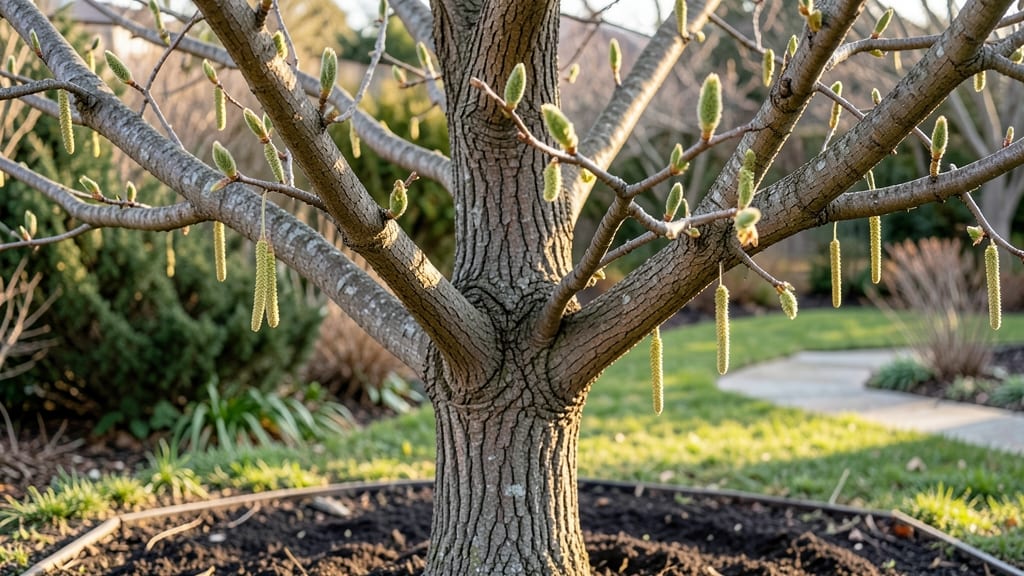
Spring is when your pecan tree wakes up from winter dormancy—and the right moves now set the stage for a bumper crop. 🌱 I’ve watched my own trees go from bare branches to heavy with nuts in just a few months, all thanks to timing pruning, feeding, and pest checks at the right moments.
The key? Don’t wait until the leaves are fully out—act when the buds start swelling but before they burst open. This is the season to prune for sunlight and shape, fertilize for growth, and scout for early pests like aphids or pecan weevils.
My trees get a light trim in late winter/early spring, followed by a balanced fertilizer application once the soil warms to 55°F. The goal isn’t just pretty branches—it’s ensuring every flower has a chance to become a nut. A missed window here means fewer harvests later.
You’ll see new growth within 2-3 weeks of proper care, with the first blooms appearing like pink candles on the branches. Those flowers mean future nuts, but only if you’ve given the tree the right support now. Skip the fertilizer? You’ll get weak wood.
Prune too late? You risk stunting next year’s crop. Works for both young trees and mature ones—just adjust the intensity. Here’s how to do it right the first time.
📚 In This Guide
- What you need
- Instructions
- Tips and common mistakes
- Wrapping up and next steps
What you need
- ● Pruning shears – Sharp, bypass-style (10-12 inch blades) for clean cuts.
- ● Loppers – 18-24 inch, for thicker branches (1.5–2 inches in diameter).
- ● Hand saw – Pruning saw with fine teeth for stubborn branches.
- ● Gloves – Heavy-duty, cut-resistant (gardening or work gloves).
- ● Ladder – Sturdy, extendable (12–16 ft) for tall trees (safety first! 🚧).
- ● Disinfectant – 70% isopropyl alcohol or bleach solution (1 part bleach : 9 parts water) to sterilize tools.
- ○ Pruning sealant – Optional but helpful for large cuts (e.g., Tanglefoot Tree Wound Pruning Seal).
- ● Trash bags – Heavy-duty, 50-gallon size for debris disposal.
- ● Fertilizer – Slow-release, balanced (10-10-10 or organic options like composted manure). 1–2 lbs per 100 sq ft of root zone.
- ● Mulch – Organic mulch (pine straw, wood chips, or shredded bark), 2–4 inches deep (keep 6 inches away from trunk).
- ● Watering can or hose – Soaker hose preferred for deep hydration.
- ○ Soil pH test kit – Optional but useful (pecans thrive in slightly acidic soil (pH 6.0–7.0)).
- ● Insecticide/fungicide – Preventative (e.g., neem oil or copper fungicide for spring pests/diseases).
- ● ✅ Know your tree’s age – Young trees (light pruning; mature trees benefit from structural shaping.
- ● ✅ Check local regulations – Some areas require permits for tree pruning (especially near power lines!).
- ● ✅ Weather window – Prune on a dry, cool day (avoid extreme heat or frost).
- ● ✅ Safety gear – Eye protection (goggles) and closed-toe shoes (no sandals!).
How to revitalize your pecan tree in spring
Spring is the perfect time to jumpstart your pecan tree’s growth and set it up for a bountiful harvest.
🌱 Step 1: Prune for Airflow and Light
Start by removing any dead, diseased, or crossing branches with clean, sharp pruning shears. Focus on opening up the canopy to let sunlight reach the center of the tree—this prevents fungal issues and encourages strong new growth. Cut just outside the branch collar where the branch meets the trunk.
Remove any suckers (shoots growing from the base) and water sprouts (vertical shoots from the trunk or branches). These sap-suckers drain energy from fruit production. Aim for a balanced shape that resembles an open vase, with wider spacing between branches as you move up the tree.
I know it seems counterintuitive to cut back when the tree is just waking up, but pruning now prevents future problems. Watch for fresh green leaves emerging from the pruned areas—they’re your sign that the tree is responding well.
☀️ Step 2: Fertilize for Spring Growth
Apply a balanced 10-10-10 or 12-12-12 fertilizer around the tree’s drip line (the edge of the canopy) in early spring, just as buds begin to swell. Spread it evenly in a 3-4 inch wide band, then water it in deeply to activate the nutrients. Avoid over-fertilizing—too much nitrogen can lead to excessive leaf growth at the expense of fruit development.
If your soil is particularly heavy or compacted, mix in 2-3 inches of compost around the base to improve drainage and microbial activity. Pecan trees thrive in well-draining soil, and spring is the best time to amend it before the growing season kicks into high gear.
You’ll notice new shoots and leaves appearing within 3-4 weeks if the soil is fertile and moist. If growth stalls after two weeks, consider a soil test to check for deficiencies.
💧 Step 3: Water Deeply and Consistently
Water your pecan tree deeply once a week during dry spells, ensuring the soil is moist 12-18 inches down. Use a soil probe or your finger to check moisture—if the soil feels dry at that depth, it’s time to water again. Drip irrigation or soaker hoses work best to deliver water slowly and evenly without wetting the foliage.
Young trees need more frequent watering, while mature trees can handle slightly longer dry spells. Mulch the base of the tree with 2-3 inches of organic mulch (like wood chips or straw) to retain moisture and suppress weeds. Keep the mulch 6 inches away from the trunk to prevent rot.
Watch for wilting leaves or yellowing at the edges—these are signs of underwatering. If you see brown, crispy leaves, you’ve likely overwatered. Adjust your schedule based on rainfall and soil type.
✂️ Step 4: Monitor for Pests and Diseases
Inspect the tree regularly for signs of aphids, pecan weevils, or fungal spores like pecan scab. Aphids cluster on new shoots, while weevils bore into nuts later in the season. Treat early infestations with neem oil or insecticidal soap, following label instructions carefully. For fungal issues, apply a copper-based fungicide as a preventive measure in early spring.
Shake the tree gently over a white sheet to spot pests—you’ll often find eggs or larvae clinging to branches or buds. Prune and destroy heavily infested branches immediately to prevent spread. Healthy trees are less susceptible to pests, so proper pruning and fertilization go a long way.
If you notice sticky residue (honeydew) on leaves or sooty mold developing, it’s a sign of sap-sucking insects. Act fast—these pests weaken the tree and reduce fruit quality.
🌿 Step 5: Encourage Pollination for Better Yields
Pecan trees require cross-pollination for optimal nut production. If you have only one tree, consider planting a compatible variety nearby (like ‘Desirable’ or ‘Elliot’) to improve fruit set. Bees and other pollinators are most active in warm, sunny weather, so avoid heavy pesticide use during bloom time.
Thin out excess flowers and small nuts in early spring to redirect the tree’s energy toward fewer, larger nuts. Leave one nut per cluster to maximize size and quality. You’ll see flower buds swelling in late winter—this is your cue to start monitoring pollination efforts.
By mid-spring, you should see catkins (male flowers) and female flowers developing. If pollination is successful, you’ll spot tiny green nuts forming by early summer.
Tips & tricks for revitalizing your pecan tree in spring
Here's what nobody tells you about giving your pecan tree the perfect spring boost—these are the details that make all the difference between a good season and a great one.
Pruning Precision: When you're pruning in Step 1, focus on removing branches that are thinner than a pencil—these won't contribute to fruit production and just compete with your main branches. I learned this the hard way after keeping too many small branches that crowded my tree. Also, make your cuts at a slight angle just outside the branch collar to prevent water from pooling and causing rot. This small detail helps wounds heal faster.
Fertilizer Timing: The instructions mention applying fertilizer when buds begin to swell, but here's the thing—this timing is critical because it aligns with the tree's natural growth cycle. If you apply too early, the nutrients won't be used efficiently. For the 10-10-10 or 12-12-12 fertilizer in Step 2, I recommend splitting the application into two parts: half when buds first swell and the remaining half 4-6 weeks later. This two-step approach ensures steady nutrient availability throughout the growing season.
Watering Wisdom: That 12-18 inch deep watering in Step 3 isn't just about quantity—it's about quality too. Use a soil probe to check moisture levels at that depth before watering again. I've found that early morning watering (between 6-10 AM) is most effective because it gives the soil time to absorb moisture before the heat of the day. This routine prevents fungal issues that can develop from evening watering when leaves stay wet overnight.
Pest Prevention: The early spring inspection in Step 4 is your best defense against pests. I've seen aphid infestations go from barely noticeable to overwhelming in just two weeks. Start your monitoring as soon as you see the first signs of new growth. For those sticky honeydew signs, act immediately—neem oil works best when applied to the undersides of leaves where pests often hide. A preventive spray every 2-3 weeks during bloom time can save you from a full-blown infestation later.
Pro Tips for Pecan Tree In Spring
- Here's what nobody tells you about giving your pecan tree the perfect spring boost—these are the details that make all the difference between a good season and a great one.
- Pruning Precision: When you're pruning in Step 1, focus on removing branches that are thinner than a pencil—these won't contribute to fruit production and just compete with your main branches.
- Fertilizer Timing: The instructions mention applying fertilizer when buds begin to swell, but here's the thing—this timing is critical because it aligns with the tree's natural growth cycle.
Frequently asked questions
Got questions about nurturing your pecan tree as spring unfolds? Here are some of the most common inquiries—plus quick answers to keep your tree thriving and your harvest hopeful!
When do pecan trees bloom in spring?
Pecan trees typically bloom between late March and early May, depending on your climate zone. Warmer regions (like Texas or Louisiana) may see blooms as early as February, while cooler areas (like the Midwest) might wait until May. Watch for male catkins (long, dangling flowers) and female flowers (small, red buds) to appear together—this signals pollination season!
How can I tell if my pecan tree is healthy after winter?
Healthy pecan trees in spring show fresh green leaves, no oozing cankers, and plump buds ready to burst. Check for pests like aphids or weevils (tiny holes in leaves) and diseases like pecan scab (black spots). If branches are brown or leeching sap, it might need pruning or treatment—act fast to revive it!
Should I fertilize my pecan tree in early spring?
Yes! Apply a balanced fertilizer (e.g., 10-10-10) in late winter or early spring (before buds swell) to boost growth. For established trees, use 6-8 pounds per inch of trunk diameter. Avoid over-fertilizing—too much nitrogen can delay nut production. Test soil first to tailor nutrients!
Why aren’t my pecan tree’s flowers turning into nuts?
Several factors could be at play: poor pollination (need both male and female flowers nearby), late frosts (damaging blooms), nutrient deficiencies, or pests/disease. If flowers drop without fruiting, check for pecan scab or aphids. Thin excess nuts later in summer to ensure quality—one nut per 6 inches of branch is ideal!
Can I plant a pecan tree in spring, or should I wait?
Spring is a great time to plant pecan trees—just avoid extreme heat waves. Choose bare-root saplings (dormant) or container-grown trees. Plant before June in most zones so roots establish before summer. Water deeply 2-3 times per week for the first year, and mulch to retain moisture. Patience pays off—it takes 5-7 years for young trees to bear nuts!
Wrapping up and next steps
Spring is the perfect time to nurture your pecan tree’s potential—whether you’re admiring its delicate blooms, preparing for summer harvests, or troubleshooting early challenges.
With the right care, your tree can thrive, offering shade, beauty, and delicious nuts for years to come. Now’s your moment to act! Grab your tools, check that soil, and give your pecan tree the love it deserves this season.
Ready to dive deeper? Explore our guide on pruning techniques or join local gardening forums to connect with fellow pecan enthusiasts. Your tree’s future starts with the steps you take today! 🌱✨