
Pruning
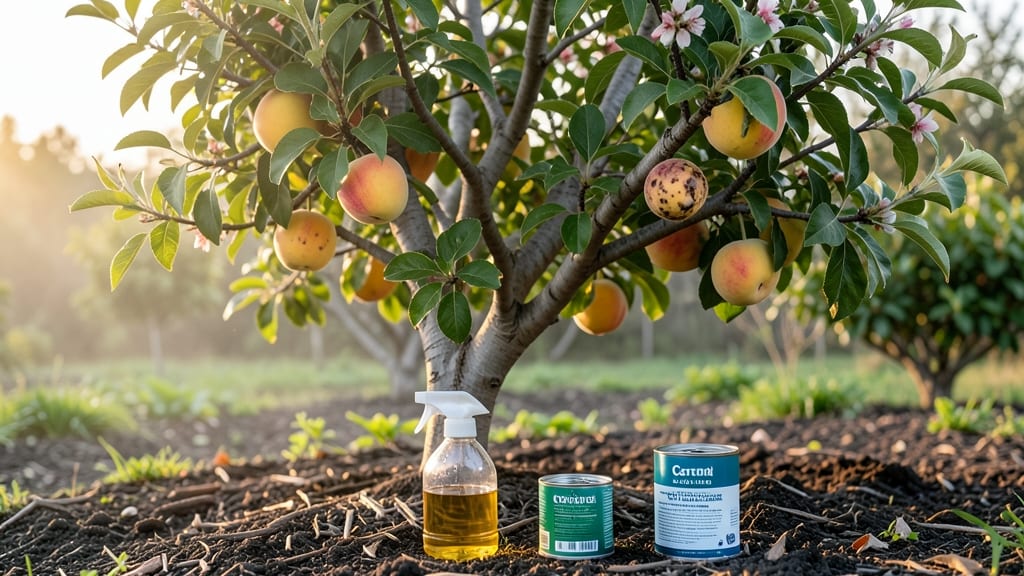
Your peach tree’s dormant branches hold the key to next year’s harvest—if you act now. 🌱 Too often, gardeners write off peach trees with brown rot, leaf curl, or pest damage as lost causes, but with the right treatment, you can revive even heavily damaged wood.
The secret lies in a 4-step rescue method that combines pruning, fungal control, and targeted fertilization to wake up dormant tissue and encourage new growth.
Most peach tree problems start with fungal infections like brown rot or peach leaf curl, which spread when winter pruning cuts expose fresh wounds. Aphids and borers compound the issue by weakening branches, leaving them vulnerable to secondary infections.
The good news? Organic treatments like copper fungicide, neem oil, and proper pruning timing can break the cycle—without harsh chemicals that harm beneficial insects. Even severely damaged trees can bounce back with consistent care.
By following this method, you’ll see new shoots emerging within 6-8 weeks of treatment, with stronger branches that resist future outbreaks. The process takes about 2 hours for a medium-sized tree and requires just a few basic tools: sharp pruners, a fungicide, and a high-quality fruit-tree fertilizer.
The payoff? A tree that produces healthier fruit and lives longer than one left untreated.
This approach works for peach trees in USDA Zones 5-9, whether you’re dealing with a mature orchard tree or a young backyard specimen. The same principles apply to related stone fruits like plums and nectarines, making it a versatile solution for any fruit grower.
Let’s get your tree back on track before the next growing season.
Root Causes Behind Struggling Peach Trees
Peach trees are resilient, but when their branches go dormant or die back, it’s usually a sign of deeper stress. Understanding the why behind these issues is the first step to effective treatment.
Below, we break down the most common culprits—backed by science—and explain how they trigger decline in your tree.
Peach trees thrive in USDA Hardiness Zones 5–9, but sudden temperature swings—especially late frosts after bud break or heatwaves above 95°F (35°C)—can shock the tree into dormancy or death.
How it happens:
- Late frosts (below 28°F / -2°C) kill blossoms and young leaves, starving the tree of energy.
- Heat stress disrupts photosynthesis by denaturing enzymes in leaves, leading to wilting and branch dieback.
- Winter desiccation occurs when warm days followed by freezing nights cause moisture loss in bark, cracking it and inviting pathogens.
Actionable insight: Peach trees are semi-dormant in winter but can still suffer if temperatures fluctuate wildly. Mulch heavily in fall to insulate roots, and use frost cloths in spring if frost warnings persist.
Peach trees are highly susceptible to brown rot (Monilinia), bacterial leaf spot (Xanthomonas), and Armillaria root rot. These pathogens exploit weak spots—often created by poor pruning or stress—to spread rapidly.
How it happens:
- Brown rot infects blossoms, then spreads to fruit and branches, causing blackened, mummified twigs.
- Bacterial canker (Pseudomonas syringae) creates sunken, oozing lesions that girdle branches, cutting off nutrient flow.
- Armillaria root rot thrives in waterlogged soil, attacking roots and causing white fungal growth at the base.
Actionable insight:
- Prune in dry weather (avoid wet conditions that spread spores).
- Sterilize tools with 70% isopropyl alcohol between cuts.
- Apply copper fungicide in early spring to prevent bacterial spread.
Peach trees need consistent moisture but are extremely sensitive to both drought and waterlogging.
How it happens:
- Underwatering causes leaf scorch (brown edges) and branch dieback as the tree prioritizes root survival over canopy growth.
- Overwatering leads to root suffocation, limiting oxygen uptake and inviting root rot (especially in clay soil).
- Poor drainage in heavy soils traps excess moisture, creating anaerobic conditions that kill roots.
Actionable insight:
- Water deeply 1–2 times per week (1–2 inches total) during dry spells.
- Improve drainage by amending soil with compost or sand if compacted.
- Mulch 3–4 inches deep to retain moisture without smothering roots.
Peach trees are heavy feeders and require balanced nutrients—especially nitrogen (N), potassium (K), and micronutrients like boron and zinc.
How it happens:
- Nitrogen deficiency (yellowing leaves, stunted growth) weakens the tree’s ability to produce new shoots.
- Potassium deficiency (weak wood, poor cold hardiness) makes branches more prone to winter damage.
- Boron deficiency causes blackened, cracked twigs (a classic sign in peaches).
- Soil pH imbalances (too acidic or alkaline) lock out essential nutrients.
Actionable insight:
- Test soil (ideal pH: 6.0–7.0 for peaches).
- Apply a balanced fertilizer (e.g., 10-10-10) in early spring, with a potassium boost before winter.
- Use foliar sprays of boron or zinc sulfate if deficiencies are severe.
Improper pruning or mechanical injury (e.g., lawnmower strikes, hail) creates entry points for disease and disrupts the tree’s vascular system.
How it happens:
- Over-pruning removes too much foliage, reducing the tree’s ability to photosynthesize and store energy.
- Topping or flush cuts leave large wounds that never heal, inviting decay fungi.
- Girdling roots or branches (from improper staking or mowing) strangle the tree by cutting off nutrient flow.
Actionable insight:
- Prune in late winter/early spring (before bud break) using the 3-cut method for clean wounds.
- Avoid removing more than 25% of the canopy in one season.
- Use sharp, sterilized tools to make angled cuts just outside the branch collar.
Revitalize Your Tree With Proven Fixes
Dormant or struggling peach tree branches don’t have to stay that way! With the right care, you can breathe new life into your tree and ensure a bountiful harvest.
Below, we’ve mapped out practical, step-by-step solutions for common issues—from fungal infections to nutrient deficiencies—along with prevention tips to keep your peach tree thriving long-term.
Cause: Poor circulation, over-pruning, or winter damage can leave branches weak and nonproductive. Solution:
- Prune Strategically 🔪
- Remove dead, crossing, or diseased branches first (use sterilized pruners to prevent spreading infections).
- Thin out the canopy to improve airflow—aim for 15-20% of the tree’s total branches in one session.
- Cut just outside the branch collar (the swollen area where the branch meets the trunk) for clean wounds.
- Fertilize for a Boost 🌿
- Apply a balanced fertilizer (10-10-10 or 6-6-6) in early spring before new growth starts.
- For nitrogen-deficient trees, use compost or fish emulsion to encourage leafy regrowth.
- Avoid over-fertilizing—this can stress the tree further.
- Hydrate Deeply 💧
- Water slowly and deeply (1-2 inches per week) to encourage root growth.
- Mulch around the base (2-3 inches of organic mulch) to retain moisture and regulate soil temperature.
💡 Prevention Tip:
- Prune in late winter (just before buds swell) to avoid encouraging late-season growth that can’t harden off before frost.
Cause: Fungal spores thrive in humid, wet conditions, leading to blighted leaves, cankers, and fruit rot. Solution:
- Remove Infected Parts 🧹
- Prune all diseased branches (including leaves and fruit) and dispose of them in the trash (not compost).
- Sterilize pruners with rubbing alcohol between cuts.
- Apply Fungicide 🛡️
- Use copper fungicide (like Copper Sulfate) or neem oil as a preventative spray in early spring and after rain.
- For severe infections, try myclobutanil-based fungicides (follow label instructions).
- Improve Airflow & Drainage 🌬️
- Thin the canopy to reduce humidity trapped in the tree.
- Ensure the soil drains well—peach trees hate soggy roots!
💡 Prevention Tip:
- Space trees 15-20 feet apart to minimize fungal spread.
- Water in the morning so foliage dries quickly.
Cause: Sap-sucking pests like aphids or borers weaken branches by draining nutrients and introducing diseases. Solution:
- Handpick or Blast Off Pests 💦
- For aphids, spray with a strong stream of water to dislodge them.
- Use insecticidal soap or neem oil for light infestations.
- Target Borers with Systemic Treatment 🛠️
- Apply imidacloprid (a systemic insecticide) to the soil in early spring to kill borers before they emerge.
- Scrape out visible borer holes with a knife and fill with diatomaceous earth.
- Encourage Beneficial Insects 🐞
- Plant marigolds or dill nearby to attract ladybugs and lacewings, which eat aphids.
- Avoid broad-spectrum pesticides that kill helpful predators.
💡 Prevention Tip:
- Wrap the trunk with tree guard in early spring to deter borers from laying eggs.
Cause: Sudden cold snaps or intense sunlight (especially after winter) can scorch bark and leaves. Solution:
- Protect from Future Damage 🛡️
- Wrap the trunk with burlap or tree wrap in late fall to shield from winter sun and wind.
- Avoid pruning in late summer—new growth is more vulnerable to frost.
- Promote Healing 🌱
- Apply a thin layer of horticultural wound dressing (like Tanglefoot Tree Wound Pruning Sealer) to small cracks (only on fresh cuts—don’t seal large wounds).
- Keep the tree well-watered to help it recover.
💡 Prevention Tip:
- Choose a sheltered planting spot (away from prevailing winds) to reduce stress.
| Season | Task | Why It Helps |
|---|---|---|
| Early Spring | Prune, fertilize, fungicide spray | Kickstarts growth & prevents disease. |
| Late Spring | Thin fruit, monitor pests | Reduces competition, stops infestations. |
| Summer | Water deeply, mulch | Supports root health & moisture. |
| Fall | Remove debris, wrap trunk | Prepares tree for winter dormancy. |
Final Pro Tip: 🎯 Patience is key! Some branches may take 1-2 seasons to fully recover. Stick with consistent care, and your peach tree will bounce back stronger than ever. 🍑✨
Frequently asked questions
How do I know if my peach tree branches are truly dead or just dormant?
Scrape a small section of bark with your fingernail—if green tissue appears, the branch is alive. For dormant branches, wait until late winter when buds should swell. If no buds appear after 2-3 weeks of warm weather, the branch is likely dead. Test with a sharp knife: healthy wood will be firm and moist, while dead wood will be dry and brittle.
Can I use household items like vinegar or baking soda to treat fungal diseases?
Not effectively. Vinegar is too acidic and will burn the tree, while baking soda lacks the strength to combat fungal spores like brown rot. For organic solutions, use neem oil or copper fungicide instead. These create protective barriers on leaves and branches without harming the tree. Always apply in early morning when humidity is low.
What’s the best time of year to prune a struggling peach tree?
Prune during late winter or early spring (just before buds swell) to remove dead/diseased wood. Avoid summer pruning, as new growth won’t harden off before frost. If you must prune in summer, do it on a cool, overcast day and seal wounds with horticultural wound dressing to prevent infections.
Will my peach tree produce fruit next year if I treat it now?
Yes, but results depend on how severe the damage is. Healthy branches treated in late winter/early spring will often produce fruit the following year. For trees with severe fungal infections or major branch dieback, focus on recovery first—fruit production may take 1-2 seasons
How often should I fertilize a peach tree that’s recovering?
Apply a balanced fertilizer (10-10-10) in early spring and again after harvest. For trees with nutrient deficiencies, use a slow-release fertilizer in late fall to support root growth over winter. Avoid fertilizing in summer heat, as it can stress the tree. Always water thoroughly after applying fertilizer.