
Leaf Blower
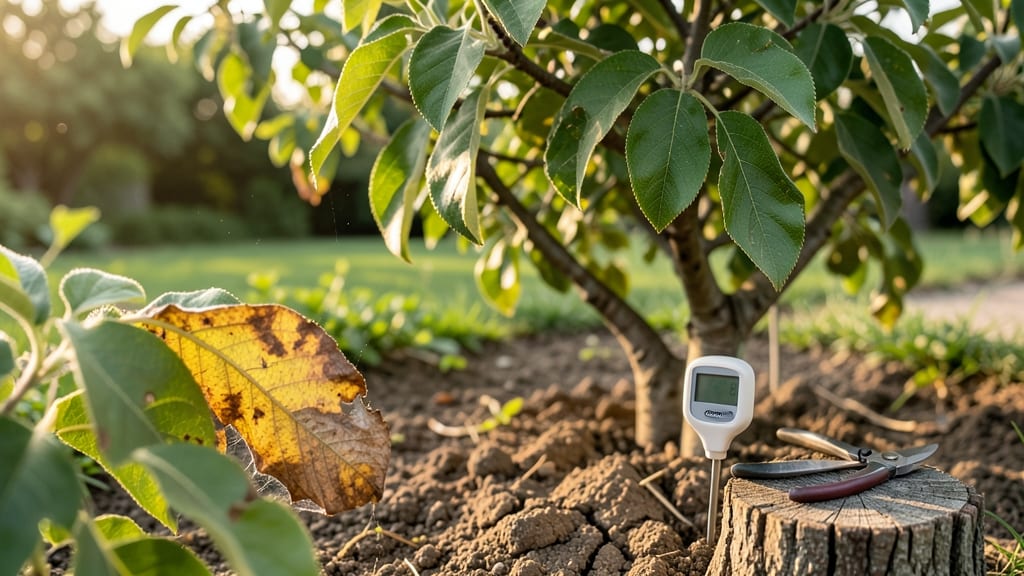
Your peach tree’s leaf wilt isn’t a death sentence—just a cry for help. 🌿 I’ve nursed back trees with exactly these symptoms by zeroing in on the root cause, whether it’s thirst, disease, or hidden pests. The key is acting fast before the stress spreads to the fruit.
Start by checking the soil moisture and leaf patterns: uniform wilting often means drought or heat stress, while irregular yellowing or spots points to fungal issues.
My peach tree’s revival began with a deep watering (2-3 inches per week) and a close inspection for mites or borers hiding under the bark. Sometimes, it’s as simple as adjusting your watering routine or adding mulch to keep roots cool.
Once you’ve identified the problem, targeted fixes work wonders—organic sprays for fungal spots, neem oil for pests, or a balanced fertilizer if leaves are pale. Within 2-3 weeks, you’ll see new growth pushing through, and the tree’s vigor will return.
The best part? Preventing recurrence is easier than you think with consistent care. This method works for both young trees and mature ones, whether you’re dealing with a single branch or the whole canopy. Let’s bring your peach tree back to full, lush health—starting with the right diagnosis.
Root Causes Behind Wilting Peach Leaves
Understanding why your peach tree’s leaves are wilting is the first step toward reviving them. Wilting often signals stress, and peach trees—like many fruit-bearing varieties—are particularly sensitive to environmental and biological factors.
Below, we break down the primary triggers for leaf wilt in peach trees, grounded in science and actionable insights.
Peach trees thrive in USDA Hardiness Zones 5–9, but they’re not fans of sudden temperature swings. Both heatwaves and late frosts can disrupt cellular function, leading to wilting.
- Heat Stress (🔥): When temperatures exceed 90°F (32°C), peach trees experience transpiration overload—their leaves lose water faster than roots can absorb it. This causes turgor pressure loss, making leaves droop. - Actionable Fix: Provide afternoon shade (e.g., shade cloth) and deep watering (1–1.5 inches per week).
Mulch with straw or wood chips to retain soil moisture.
- Cold Stress (❄️): Frosts below 28°F (-2°C) damage cell membranes, disrupting nutrient flow. Young leaves are especially vulnerable.
- Actionable Fix: Cover trees with frost blankets before predicted frosts. Avoid pruning in late winter—new growth is frost-sensitive.
Peach trees hate soggy roots but also drought stress. Both extremes trigger wilting by disrupting water uptake.
- Overwatering (🌧️): Poor drainage or excessive watering leads to root suffocation, cutting off oxygen.
Roots rot, and the tree can’t absorb water—even if soil looks wet. - Signs: Yellowing leaves, mushy stems, or a sour smell near the base. - Actionable Fix: Test soil drainage—dig a hole, fill it with water, and time how long it drains. Ideal: 4–6 hours.
Amend clay soil with sand or perlite.
- Underwatering (🏜️): Peach trees need consistent moisture, especially during bloom and fruit set. Wilting here is a desperation signal—leaves curl inward to conserve water. - Actionable Fix: Water deeply 2–3 times per week (not daily shallow watering).
Use a soaker hose to deliver water to roots, not leaves.
Wilting can be a symptom of hidden invaders.
Peach trees are targeted by: - Peach Tree Borers (🐛): Larvae burrow into bark, disrupting vascular tissue (xylem/phloem), which transports water and nutrients. - Signs: Sawdust-like frass near the trunk, oozing sap, or sudden wilting in one branch. - Actionable Fix: Prune infested branches (sterilize tools with rubbing alcohol) and apply beneficial nematodes (e.g., Heterorhabditis bacteriophora) to soil.
- Fungal Pathogens (🍄): Brown Rot (Monilinia fructicola) or Leaf Spot (Cercospora) clog stomata (leaf pores), reducing water uptake. - Signs: Dark spots with yellow halos, wilting despite moist soil. - Actionable Fix: Remove fallen leaves/fruit (burn or compost separately).
Spray with copper fungicide (e.g., Bordeaux mixture) before bloom.
Wilting can stem from imbalances in essential nutrients, particularly: - Potassium (K) Deficiency (🍠): Potassium regulates osmotic pressure—without it, cells can’t hold water.
Leaves may wilt first in hot afternoons but recover at night. - Fix: Apply potassium sulfate (0.5 lbs per 100 sq ft) or wood ash (sparingly).
- Magnesium (Mg) Deficiency (🥬): Causes interveinal chlorosis (yellowing between veins), weakening leaf structure.
- Fix: Use Epsom salt (1 tbsp per gallon of water) as a foliar spray.
- Salt or Chemical Burn (🧴): Over-fertilizing (especially with synthetic nitrogen) or de-icing salt runoff can burn roots, halting water absorption.
- Fix: Flush soil with water (1 inch per week for 2 weeks) and avoid fertilizing until wilting stops.
- Wind Burn (💨): Strong winds desiccate leaves by increasing transpiration. Young trees are most vulnerable.
- Fix: Stake trees or install a windbreak (e.g., burlap fence).
- Physical Damage (⚔️): Lawnmower or weed trimmer injuries to roots or trunk can disrupt water flow.
- Fix: Mulch heavily (3–4 inches) around the base to protect roots. Avoid mowing near the trunk.
Pro Tip: 💡 Diagnose like a detective—check one branch at a time. Is wilting uniform (water issue) or patchy (pest/disease)? Act on the most likely cause first!
Revive Your Tree with These Fixes
When your peach tree’s leaves start wilting, crinkling, or drooping, it’s time to take action. The good news? Most causes have straightforward solutions—if you know what to look for.
Below, we’ve mapped the most common triggers to practical, step-by-step fixes, plus prevention tips to keep your tree thriving. No green thumb required—just follow along!
Signs: Dry, crispy edges or soft, mushy leaves; soil pulls away from the pot (underwatering) or stays soggy (overwatering).
💧 Correct Watering Habits
- Test the soil first 🏷️
- Stick your finger 1–2 inches deep into the soil. If it’s bone-dry, water deeply. If it’s damp or sticky, hold off.
- Pro tip: Use a moisture meter for accuracy—no guesswork!
- Water deeply but less often 🌧️ - Underwatering: Water until the soil is evenly moist (not soggy) to a depth of 12–18 inches.
Young trees need 1–2 gallons per week; mature trees, 5–10 gallons. - Overwatering: Let the top 3 inches of soil dry out between waterings. Improve drainage by amending clay soil with compost or sand.
- Mulch like a pro 🌿
- Spread 2–4 inches of organic mulch (wood chips, straw) around the base, keeping it 6 inches away from the trunk. This locks in moisture and regulates temperature.
- Adjust your schedule ⏰
- Water early morning (6–10 AM) to reduce evaporation. Avoid evening watering—wet leaves at night invite fungal diseases.
Signs: Yellow spots with dark borders, blackened veins, or leaves wilting suddenly (often with a foul smell).
🧴 Fungal/Bacterial Remedies
- Prune infected branches immediately ⚔️
- Cut off wilting leaves or branches 6 inches below the damage. Sterilize pruners with rubbing alcohol between cuts.
- Warning: Don’t compost infected plant debris—bag and trash it to stop the spread.
- Apply fungicide 🛡️
- Use a copper-based fungicide (like Copper Soap) or neem oil spray (1 tsp neem oil + 1 quart water + a drop of dish soap). Spray every 7–10 days until new growth appears.
- For bacterial issues, try streptomycin spray (follow label instructions).
- Improve air circulation 💨
- Thin out dense branches to let air and sunlight reach the center. Space trees 15–20 feet apart if replanting.
- Prevent future outbreaks 🛡️
- Water at the base (avoid wetting leaves).
- Clean up fallen leaves regularly—they harbor spores.
- Avoid overhead irrigation (drip systems work best).
Signs: Sticky residue (honeydew), tiny webs, sawdust-like frass, or chewed leaves.
🐜 Pest Control Steps
- Blast pests off with water 💦
- Spray leaves with a strong hose stream to dislodge aphids or mites. Repeat every 3–4 days for severe infestations.
- Introduce beneficial insects 🐞
- Release ladybugs, lacewings, or parasitic wasps (available at garden centers). They eat pests naturally!
- Use insecticidal soap or oil 🧼
- Mix 1 tbsp mild castile soap + 1 quart water or 1 tbsp horticultural oil + 1 quart water. Spray every 5–7 days until pests vanish.
- Set traps for borers 🕷️
- Hang pheromone traps (like Gypcheck) near the tree to catch peach tree borers before they lay eggs.
Signs: Sudden wilting in extreme temps, brown leaf tips, or leaves curling upward (heat) or blackened edges (cold).
🔥 Climate Adjustments
- Shade young trees ☀️
- Use shade cloth (30–50%) during scorching summer afternoons. Remove when temps drop below 85°F.
- Protect from frost ❄️
- Wrap the trunk with bubble wrap or frost cloth in winter. Cover the tree with a lightweight blanket if frost is forecasted.
- Mulch heavily in winter ❄️
- Add 4–6 inches of mulch around the base to insulate roots. Remove excess mulch in spring to avoid overheating.
- Water deeply before heatwaves 💦
- Give the tree a slow, deep soak 2–3 days before extreme heat. This helps roots access moisture when the ground dries out.
Signs: Yellowing between veins (iron/chlorosis), purple stems (phosphorus), or slow growth despite proper watering.
💪 Fertilizer Fixes
- Test your soil 📊
- Use a DIY soil test kit (or send a sample to your local extension office). Peach trees thrive in slightly acidic soil (pH 6.0–6.5).
- Apply balanced fertilizer 🌱
- Feed with a 10-10-10 or 6-6-6 fertilizer in early spring (when buds swell). Follow package rates—too much nitrogen burns roots!
- Target-specific deficiencies 🎯
- Iron/chlorosis? Sprinkle iron sulfate or chelated iron around the base.
- Magnesium? Apply Epsom salt (1 tbsp per gallon of water) every 4–6 weeks.
- Zinc? Use zinc sulfate sparingly (follow label).
- Avoid over-fertilizing ⚠️
- Never fertilize in winter—roots are dormant. Stop feeding 6–8 weeks before first frost.
If your peach tree is completely limp (not just a few leaves), act fast:
- Check roots 🌱
- Gently loosen soil around the base. If roots are shriveled or mushy, trim the damaged parts and replant with fresh soil.
- Trim dead branches ⚔️
- Remove any blackened or brittle limbs with clean pruners. This helps the tree redirect energy to healthy growth.
- Give it a rehydration bath 🚿
- Soak the root zone with water + a root stimulator (like Sea90 or Mycorrhizal fungi). Do this once a week for 4 weeks.
- Monitor closely 👀
- Keep the tree in a shady, sheltered spot for 1–2 weeks while it recovers. Resume normal care once new leaves appear.
✅ Water wisely – Deep and infrequent, never soggy. ✅ Inspect weekly – Catch pests/fungus early with a hand lens or flashlight. ✅ Prune properly – Remove dead wood in late winter/early spring. ✅ Mulch annually – Refresh mulch every spring to prevent compaction. ✅ Avoid stress – Don’t transplant mature trees; plant young ones in well-draining soil.
Final Thought: Most peach trees bounce back quickly with the right care—don’t panic if you see wilting! Start with the most likely cause (usually water or pests), apply the fix, and watch your tree perk up in days to weeks. 🌟 For stubborn cases, combine 2–3 solutions (e.g., prune + fungicide + deep watering) for faster results.
Frequently asked questions
Why are my peach tree leaves wilting only in the afternoon?
This classic pattern suggests heat stress or potassium deficiency. Peach trees lose turgor pressure when temps exceed 90°F (32°C), causing afternoon wilting that recovers at night. Test soil moisture first—dry roots can't keep up with water loss. If soil is moist, apply potassium sulfate (0.5 lbs per 100 sq ft) and provide afternoon shade with shade cloth.
Can I save a peach tree with completely wilted leaves?
Yes, but act immediately! First, check roots—if they're shriveled or mushy, trim damaged parts and replant with fresh soil. Give the tree a rehydration bath with water + root stimulator (like Sea90) once weekly for 4 weeks. Keep it in partial shade and monitor for new growth within 2-3 weeks. Severe cases may need pruning dead branches to redirect energy.
How do I tell if wilting is from pests vs. disease?
Pests leave physical signs while diseases show discoloration patterns. Look for honeydew, webs, or sawdust-like frass (borers) for pests. Diseases show dark spots with yellow halos (leaf spot) or blackened veins (bacterial issues). For pests, use insecticidal soap; for diseases, apply copper fungicide and remove infected leaves immediately.
Will pruning help my wilting peach tree?
Pruning helps only if wilting is localized to specific branches. Remove dead or diseased limbs 6 inches below the damage using sterilized tools. For widespread wilting, pruning alone won't fix root/pest issues—but it reduces stress by removing energy drains. Always prune in late winter/early spring when the tree is dormant. Never prune during active wilting episodes.
How often should I water a wilting peach tree?
Peach trees need deep, infrequent watering—1-2 gallons weekly for young trees, 5-10 gallons for mature ones. Water when the top 3 inches of soil are dry, delivering moisture to 12-18 inches deep. Use a soaker hose in early morning to avoid fungal issues. Overwatering (soggy soil) is worse than underwatering for peach trees—always check drainage first.