
Pruning
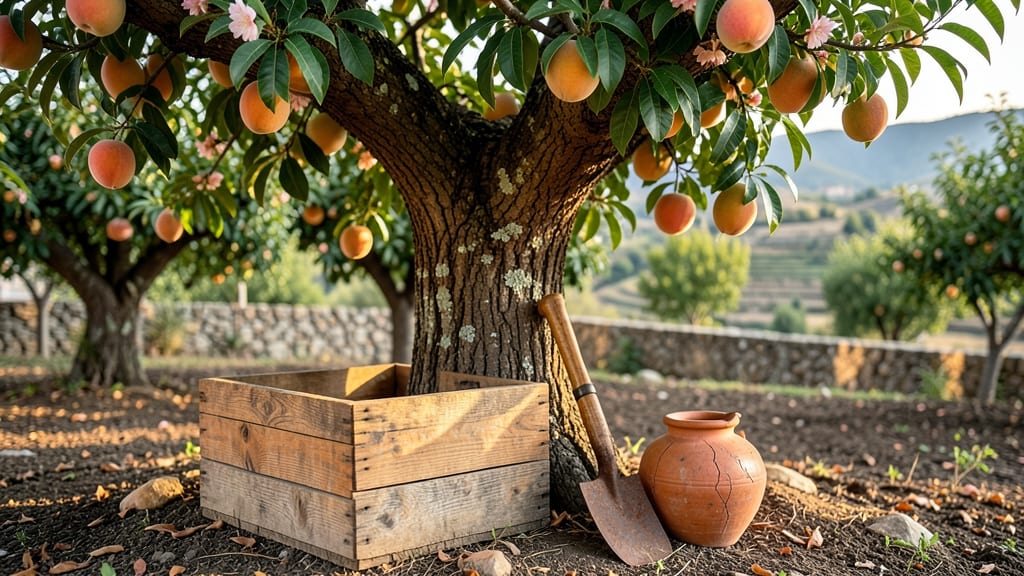
The history of peach trees begins in China over 4,000 years ago, where they spread through Silk Road trade routes to Persia, Rome, and eventually reached the Americas via European settlers. These trees were first cultivated from wild Prunus persica species in ancient Chinese orchards for both fruit and medicinal purposes.
The peach's journey from ancient orchards to modern groves is a fascinating tale of cultural exchange and agricultural innovation. 🌱 Chinese farmers first domesticated wild peaches around 2000 BCE, prizing them not just for their sweet fruit but also for their healing properties in traditional medicine.
As trade routes expanded, peach trees became a symbol of prosperity, with Chinese emperors and scholars associating them with immortality and longevity. By the time they reached Europe, selective breeding had already created early varieties that laid the foundation for today's diverse peach cultivars.
What makes this history particularly interesting is how peaches adapted to different climates. 🌍 When Spanish explorers introduced them to the Americas in the 16th century, they thrived in regions from California to Georgia, eventually becoming a staple of Southern agriculture.
Modern peach varieties now include everything from freestone types for fresh eating to clingstone varieties perfect for canning—all descendants of those ancient Chinese trees that traveled thousands of miles along trade routes.
💡 In This Article
- Ancient Chinese Origins of the Peach Tree
- Global Spread and Modern Peach Tree Varieties
Ancient Chinese origins of the peach tree
Archaeologists have uncovered evidence that wild peach trees (Prunus persica) thrived in China's mountainous regions as early as 2000 BCE, with domestication beginning around 1000 BCE during the Zhou Dynasty.
These early trees grew in river valleys where the climate—with hot summers (80-90°F) and cold winters (20-30°F)—created ideal conditions for fruit development. Chinese farmers selected sweeter, larger varieties, a process that took centuries to refine.
The peach held deep cultural significance in ancient China, often linked to immortality and longevity in myths.
Confucian scholars associated peaches with wisdom, while Taoist traditions depicted them in rituals for health and vitality. 🌿 Excavations at sites like Henan Province reveal peach pits dating back 4,000 years, proving their early cultivation.
The fruit's medicinal uses—such as treating coughs and digestive issues—were documented in ancient texts like the Shennong Bencaojing, China's oldest pharmacopeia.
Chinese orchards used innovative techniques to cultivate peaches, including grafting wild trees onto rootstocks for disease resistance—a method still used today. The trees' bright orange fruit, rich in vitamin C and antioxidants, became a symbol of prosperity.
By the Han Dynasty (206 BCE-220 CE), peaches were so prized that they were featured in royal gardens and traded along the Silk Road, spreading to Persia and beyond.
One fascinating detail is how peaches adapted to China's diverse climates. Northern varieties developed thicker skins to withstand colder winters, while southern peaches remained thinner-skinned for juicier flesh.
This natural variation laid the groundwork for the global diversity of peach cultivars we see today. 🌏 The peach's journey from wild tree to cultural icon began here, shaping its legacy across continents.
What's often overlooked is how peach cultivation influenced Chinese agriculture. Farmers planted trees near water sources to maximize fruit quality, a practice that mirrored modern irrigation techniques.
The peach's role in traditional medicine also drove early breeding programs, where growers selected trees with specific health benefits, such as those producing fruit high in beta-carotene.
By the time peaches reached Europe, they had already undergone centuries of refinement in China.
The trees' adaptability and cultural importance made them one of the first fruits to travel the Silk Road, setting the stage for their global dominance. 🌟 This ancient history explains why peaches remain a beloved fruit today—rooted in both practical farming and deep cultural traditions.