
Pruning
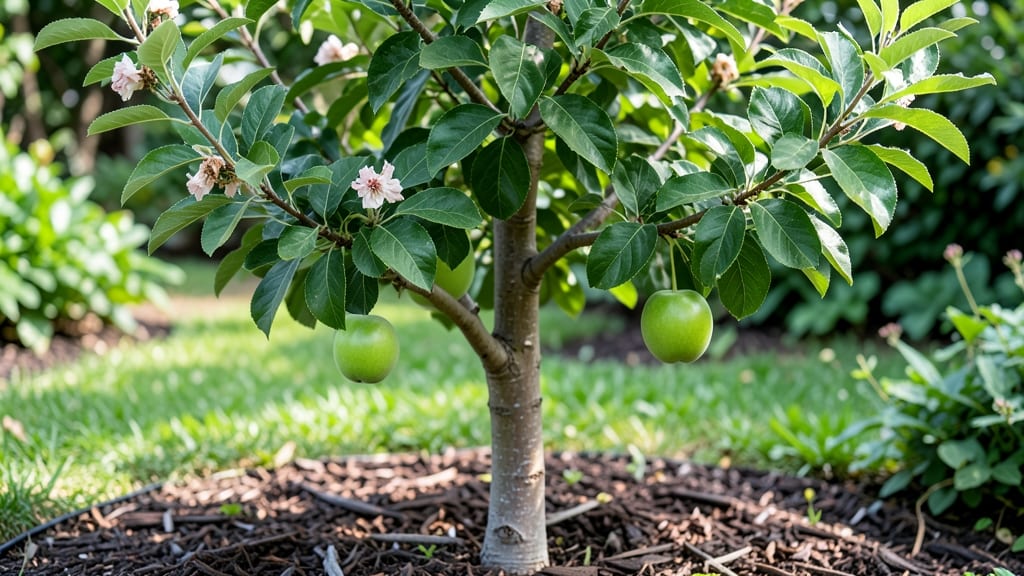
Your peach tree’s green fruit won’t ripen no matter how long you wait—it’s a frustrating cycle that leaves you questioning whether this year’s harvest is a bust.
Peaches need full sun, consistent water, and the right balance of nutrients to turn from green to ripe, but even the hardiest 🍑 trees can get stuck in this frustrating phase.
The good news? Most cases have simple fixes, from adjusting your watering schedule to addressing hidden pests or nutrient gaps.
In this guide, I’ll walk you through the most common reasons your peaches stay green—whether it’s too little sunlight, overwatering, or a sneaky disease—and how to turn things around before it’s too late.
You’ll also learn when it’s safe to pick underripe fruit, how to prevent next year’s crop from facing the same issues, and the one key trick that can speed up ripening even late in the season.
5 Common reasons your peach tree fruit stays green (and how to identify them)
Peach trees are notorious for holding onto their green fruit long after other varieties ripen, but when your entire crop refuses to change color, it’s time to investigate.
The key to solving this issue lies in understanding the biological triggers that signal peaches to ripen—and why yours might be stuck in limbo.
Without proper temperature cues, nutrient balance, or stress-free growing conditions, your tree’s fruit simply won’t mature, leaving you with a harvest of oversized green orbs instead of sweet, juicy peaches.
Don’t panic—this problem is usually fixable once you identify the root cause. The good news is that peaches are resilient, and with the right adjustments, you can often coax them into ripening even late in the season.
The first step is diagnosing which of these five common culprits is holding your fruit back. Let’s break down the symptoms, causes, and how to tell them apart so you can take targeted action.
Peaches need 250-1,000 hours below 45°F annually. Without this, fruit stays green and may drop prematurely.
Fluctuating moisture causes uneven ripening. Check for cracked fruit (overwatering) or small, hard peaches (drought).
Yellow leaves + green fruit = potassium or nitrogen deficiency. Test soil and amend with balanced fertilizer (10-10-10).
Look for moldy spots or rotting fruit. Fungal infections block ripening. Prune infected branches immediately.
Peaches need cross-pollination. If nearby trees are absent, fruit stays small and green. Hand-pollinate with a brush if needed.
Let’s start with the most critical factor: chilling hours. Peach trees are dormant-dependent, meaning they require a specific number of cold hours each winter to "reset" their biological clock. Without this, your tree might produce fruit, but it’ll never ripen properly.
For example, if you live in a warm climate zone like Southern California, you’ll need to choose low-chill varieties like ‘Sanguinelli’ or ‘Redhaven’ to avoid this issue entirely.
Next, pay close attention to your watering schedule. Peaches are sensitive to both drought stress and waterlogging. If your tree experiences inconsistent moisture—like deep soaks followed by dry spells—it triggers the fruit to stay in a protective green state.
Look for uneven fruit sizes or cracked skin as red flags. The fix? Deep watering every 7-10 days during fruit development, always in the early morning to prevent fungal diseases.
Nutrient deficiencies often fly under the radar but can sabotage ripening. If your peach tree’s leaves are yellowing between veins (a classic sign of nitrogen deficiency) or purpling at the edges (potassium deficiency), your fruit will struggle to mature.
Conduct a soil test and amend with a balanced fertilizer like 10-10-10. For established trees, apply 1 cup per 10 square feet in early spring and again after harvest, but avoid late-season feeding, which can stimulate susceptible new growth before frost.
Disease pressure, particularly brown rot (caused by the fungus Monilinia fructicola), is another silent ripening killer. Infected fruit will develop grayish-brown mold and fail to ripen. Remove all mummified fruit from last year and prune dead or diseased branches in late winter.
Spray with copper fungicide during bloom to prevent spores from taking hold. If you spot blackened blossoms or oozing cankers on branches, act fast—this disease spreads rapidly.
Finally, don’t overlook pollination issues. Peach trees are self-pollinating, but they produce more fruit—and better-quality fruit—when cross-pollinated. If your tree is isolated, you might end up with small, green peaches that never ripen.
Attract pollinators by planting bee-friendly flowers nearby (like lavender or clover) or hand-pollinate in the morning using a soft paintbrush to transfer pollen from blossom to blossom.
Now that you’ve identified the likely culprit, the next step is addressing it before your peaches drop from the tree. The good news? Most of these issues are reversible with targeted care. For example, if chilling hours are the problem, you can harvest green peaches early and ripen them indoors.
If disease is to blame, a copper spray schedule can save next year’s crop. Stay tuned for our next section, where we’ll walk you through step-by-step fixes tailored to each of these common issues.
Step-by-step fixes to ripen green peach fruit (even late in the season)
If your peach tree is still sporting green fruit when harvest season arrives, don’t panic—this is often fixable with targeted adjustments. The key lies in addressing the root causes: inconsistent sunlight, water stress, or nutrient imbalances.
Let’s tackle each issue with actionable steps to coax those peaches into ripening before the season ends.
Start by evaluating your tree’s current conditions. Is it getting 6+ hours of sunlight daily? Are the roots consistently moist but not waterlogged? These two factors alone can make or break fruit ripening.
Once you’ve assessed the basics, we’ll move to more advanced fixes like pruning techniques and targeted fertilization to jumpstart development.
🌱 Step-by-Step Fixes for Green Peach Fruit
- 1 Boost Sunlight Exposure: Prune overhanging branches blocking sunlight and thin out dense foliage to improve air circulation. South-facing trees get priority—consider temporary shade cloth if needed to balance light.
- 2 Adjust Watering Schedule: Deep-water once weekly (15-20 gallons per tree) in the morning. Avoid overwatering—soil should be moist but not soggy. Use a moisture meter to check root zone humidity.
- 3 Apply Balanced Fertilizer: Use a 10-10-10 NPK fertilizer in early morning, focusing on the drip line. Light applications every 4-6 weeks during active growth (spring/summer) prevent overstimulation.
- 4 Thin Overloaded Branches: Remove 20-30% of fruit if branches are heavily laden. This redirects energy to remaining peaches, accelerating ripening. Focus on smaller or damaged fruit first.
- 5 Monitor for Pests/Diseases: Check for peach leaf curl or aphids—common culprits delaying ripening. Treat with neem oil or copper fungicide if needed. Healthy foliage = faster fruit maturation.
For late-season trees, consider a calcium spray (like calcium nitrate) to strengthen cell walls and improve color development. Apply this in the afternoon to avoid leaf burn. Pair it with mulching (2-3 inches of wood chips) to retain soil moisture and regulate temperature.
If your peaches still resist ripening, evaluate tree maturity. Young trees (3-5 years old) may prioritize growth over fruit development. In this case, focus on next year’s care: prune aggressively in winter to encourage robust flowering, and avoid heavy nitrogen fertilization in late summer.
With these steps, you’ll give your peaches the best shot at ripening—even if the season is running late. Patience and consistency are key, but the payoff of juicy, sun-ripened peaches is worth every effort! 🍑