
Pruning
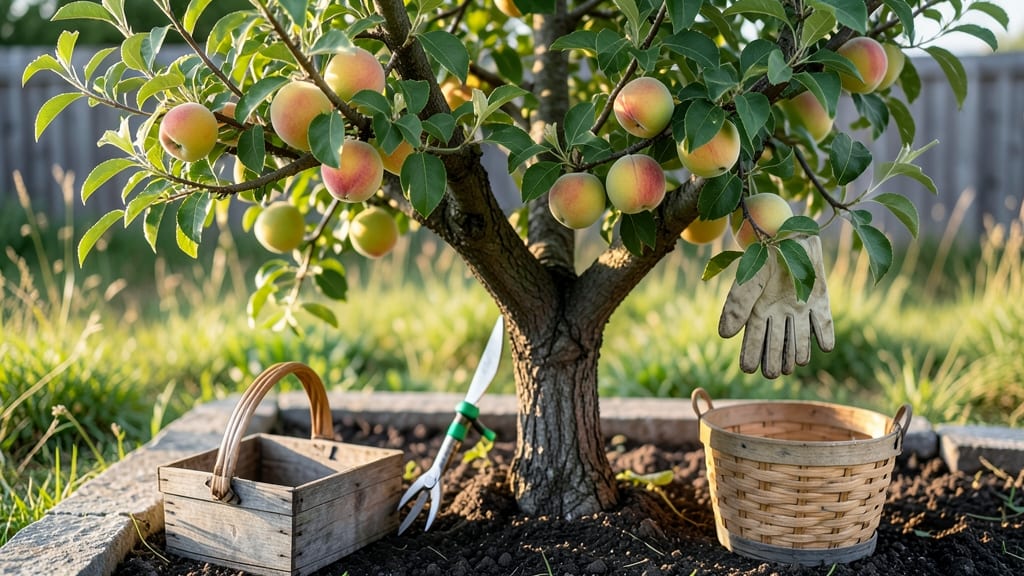
Your peach tree’s first fruit arrives sooner with the right care 🍑 — and skipping these steps can leave you waiting years for a harvest.
Picture this: You’ve planted your peach tree in spring, watered it faithfully, and even pruned it “correctly”—yet by summer, there’s still no sign of fruit. The truth? Most young trees need 3-5 years to bear fruit, but the right timing and techniques can cut that wait by nearly half.
Whether you’re growing an Elberta or a Redhaven, knowing when to expect fruit—and how to encourage it—is the difference between patience and frustration.
In this guide, I’ll walk you through the exact timeline for first fruit based on your tree’s age and variety, plus the 3 pruning secrets that boost yield without stressing the tree. We’ll also cover soil tricks, watering schedules, and the one fertilizer mistake that stalls fruit development for years.
By the end, you’ll know not just when to expect those juicy peaches, but how to make sure they arrive—plump, sweet, and ready to pick by midsummer.
When to expect first fruit on a peach tree: timeline by age and variety
Peach trees are thrilling to grow, but their fruiting timeline can feel mysterious—especially for new gardeners. Most peach trees won’t produce fruit until they’re 3-5 years old, but with the right care, some varieties can bear fruit as early as 1-2 years.
The key factors influencing this timeline include tree age, rootstock type, and variety selection. Understanding these variables helps you set realistic expectations and optimize care for a bountiful harvest.
Young peach trees focus their energy on establishing roots and growing structural wood, which is why fruit production is delayed. Dwarf varieties on Lovell or Nemaguard rootstock often fruit earlier than standard trees, sometimes as early as 1-2 years after planting.
Meanwhile, full-size trees grafted onto Halford or Nemared rootstock may take 4-5 years to bear fruit. Climate also plays a role—warmer regions like USDA Zones 7-9 accelerate fruiting, while colder zones may delay it by 1-2 years.
Popular varieties like Elberta and Redhaven typically fruit in 3-4 years, while faster-bearing types such as Bonanza or Relenta can produce fruit in 2 years under ideal conditions. Early-bearing varieties are bred for low-chill requirements, making them perfect for shorter-winter climates.
For example, Redhaven needs 400-600 chill hours, while Bonanza thrives with just 200-300 chill hours.
Here’s a quick breakdown of what to expect based on your peach tree’s age and variety:
If you’re growing a dwarf peach tree in a container, expect fruit 1 year sooner than in-ground trees, thanks to better nutrient access and controlled conditions. Containers also allow you to move trees to warmer microclimates during winter, reducing chill-hour stress.
However, container-grown trees require consistent watering and annual repotting to prevent root-bound stress, which can delay fruiting.
The first year after planting is all about root establishment. Focus on deep watering (10-15 gallons weekly) and light fertilization (balanced 10-10-10) to encourage strong growth. Avoid heavy pruning—remove only dead or crossing branches—to preserve the tree’s energy for future fruit production.
In Year 2, you’ll see more vigorous growth, and with the right care, you might spot tiny fruit buds forming in late winter.
Climate plays a surprising role in fruiting timelines. Peach trees need chill hours (cold winter temperatures) to break dormancy and set fruit. Low-chill varieties like Redtop or Earliglow can fruit in Zone 6, while traditional varieties like Elberta struggle below Zone 7.
If you’re in a warmer climate, consider late-summer planting to avoid heat stress during the tree’s first growing season. In colder zones, use row covers or mulch to protect young trees from late frosts, which can damage blossoms and reduce fruit set.
One common misconception is that over-fertilizing speeds up fruiting. In reality, too much nitrogen promotes leafy growth at the expense of fruit. Instead, use a low-nitrogen, high-phosphorus fertilizer (like 5-10-10) in early spring to encourage flowering.
Pair this with regular pruning to improve airflow—this reduces disease risk and helps the tree focus energy on fruit development. Thin out excessive fruit in Year 2 or 3 to ensure larger, higher-quality peaches in later years.
Finally, don’t forget about pollination. Peach trees are self-pollinating, but wind or bees can improve fruit set. If your tree is isolated, hand-pollinate by gently shaking branches during bloom time (early spring). For container-grown trees, placing them near other fruit trees or
How to maximize first-fruit yield: pruning, fertilizing, and pollination tips
Your young peach tree needs the right care to produce its first abundant harvest. The key lies in three critical areas: pruning for airflow, balanced fertilization, and encouraging pollination.
When done correctly, these steps can double—or even triple—your fruit yield during that exciting first harvest season. Let’s break down the exact techniques that work.
First, let’s address the biggest misconception: young trees don’t need heavy pruning. Over-pruning can stress your peach tree and delay fruiting. Instead, focus on selective pruning to open the canopy for sunlight and airflow.
This simple adjustment can make all the difference in fruit development. The right timing and method are everything.
- 1 Prune for Airflow: Remove suckers and crossing branches in late winter/early spring. Aim for an open vase shape to maximize sunlight penetration to fruit-bearing branches.
- 2 Fertilize Strategically: Use a balanced 10-10-10 NPK fertilizer in early spring and mid-summer. Apply 1 cup per tree (adjust for size) and water deeply to prevent root burn. Avoid fall fertilization to prevent late growth.
- 3 Hand-Pollinate Flowers: In early spring, gently shake branches during peak bloom (when flowers are fully open) to transfer pollen. Early-morning sessions work best when bees are less active. Repeat every 2-3 days for consistent fruit set.
- 4 Protect Developing Fruit: Apply neem oil spray every 2 weeks to deter pests like aphids and peach tree borers. Thin fruit to 6-inch spacing when they’re golf-ball sized to ensure larger, higher-quality peaches.
- 5 Monitor Soil pH: Test soil annually and amend with lime (to raise pH) or sulfur (to lower pH) to maintain a 6.0-6.5 pH range. Ideal pH ensures nutrient uptake for fruit development.
Let’s talk about fertilization in more detail. Many gardeners make the mistake of over-fertilizing young peach trees, which can lead to excessive leaf growth at the expense of fruit production.
Instead, opt for a balanced approach with organic options like composted manure or fish emulsion. These provide slow-release nutrients that support steady growth without shocking the tree.
Pollination is another critical factor, especially if your tree isn’t producing fruit as expected. While peach trees are self-pollinating, hand-pollination can boost yields by up to 40%. Simply shake the branches gently during bloom time to transfer pollen between flowers.
This is particularly useful in cooler climates where bee activity is limited. Pair this with a light application of bee-attracting flowers nearby to encourage natural pollinators.
Finally, don’t overlook the role of pest control in protecting your developing fruit. Common pests like peach tree borers and aphids can devastate a young tree’s first harvest. Use organic sprays like neem oil or insecticidal soap as a preventive measure.
Regularly inspect branches for signs of egg masses or sawdust-like frass, which indicate borer activity, and treat immediately.
By following these five key steps, you’ll give your peach tree the best chance to produce a bountiful first harvest. Remember, consistency is key—whether it’s pruning, fertilizing, or hand-pollinating, these small efforts add up to big rewards in your orchard. Happy gardening! 🍑