
Pruning
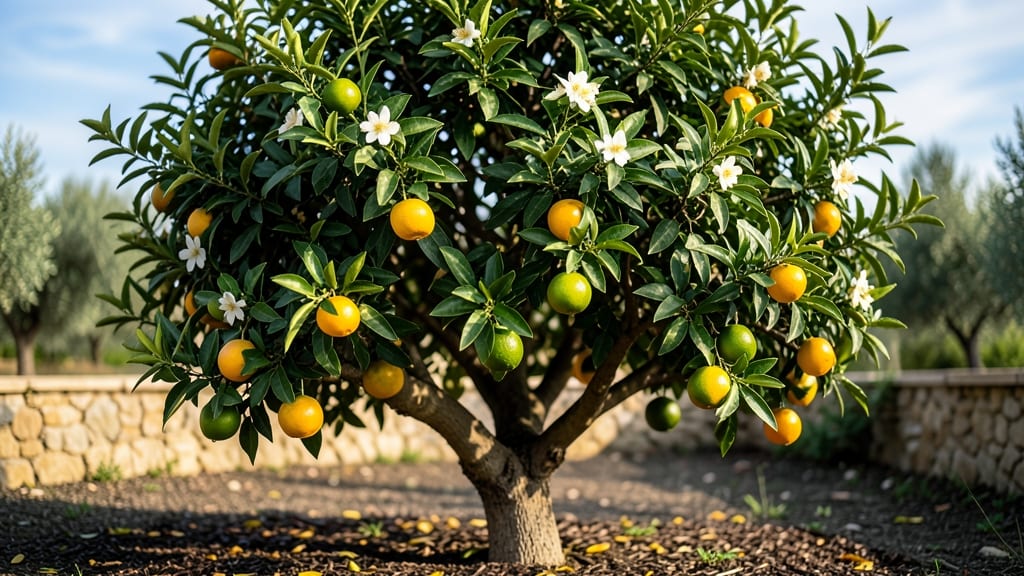
Those orange date-like balls dangling from your palm tree aren’t just pretty—they’re edible! 🌴 I’ve grown Phoenix canariensis (Canary Island date palm) and Butia capitata (Pindo palm) for years, and their sweet-tart fruit transforms containers into tropical feasts.
The key? Matching their Mediterranean roots to your climate, soil, and sunlight—even in pots.
These palms thrive in USDA zones 9-11, but with winter protection (like wrapping trunks or moving containers indoors), you can grow them as far north as zone 8. They crave full sun (6+ hours daily) and well-draining soil—think sandy loam mixed with compost.
Overwatering is their nemesis, so let the top 2 inches of soil dry out between waterings. Fertilize lightly in spring with a palm-specific feed (high in potassium and magnesium).
Pruning isn’t about shaping—it’s about safety. Remove dead fronds by cutting them at the base, and trim any fruit clusters that look diseased. Patience is critical: fruit production takes 3-5 years from planting, but once established, these palms reward you with harvests from late summer to fall.
The fruit tastes like a cross between a date and an orange—sweet when ripe, tart when green.
If your palm isn’t fruiting, check for male vs. female plants (only females produce fruit) or insufficient sunlight. Container growers often struggle with root-bound stress—repot every 2-3 years in spring.
With the right care, your palm becomes a year-round citrus machine, even in small spaces. Ready to turn your patio into a tropical oasis?
Nature’s Citrus Surprise Explained
If you’ve spotted those vibrant orange globes dangling from your potted palm tree—likely a Citrus × microcarpa (Calamondin orange) or a Citrus × limon (Meyer lemon)—you’re probably wondering why they appear year-round.
Unlike seasonal fruit trees, these tropical beauties produce fruit in cycles tied to their biology, environment, and care. Here’s the science behind their unexpected citrus bounty.
Not all palm trees bear fruit, but dwarf citrus varieties (like Calamondins or Meyer lemons) are genetically programmed to produce fruit more frequently than their larger counterparts. Here’s why:
- Dwarf genetics: Smaller citrus trees (often grafted onto dwarf rootstock) mature faster and enter fruiting cycles earlier—sometimes within 1–2 years of planting. Their compact size also means they allocate energy more efficiently to fruit production.
- Continuous blooming: Unlike apples or peaches, which bloom once a year, citrus trees can flower and fruit multiple times if conditions are ideal. This is thanks to their evergreen nature—they don’t shed leaves, so photosynthesis (and energy production) never fully stops.
- Pollination triggers: Even self-pollinating varieties (like Calamondins) may produce fruit more prolifically if they receive cross-pollination from nearby citrus trees. Bees and wind play a key role here!
Pro Tip: 🌡️ If your tree is overloaded with fruit, it may drop some to conserve energy. Prune lightly to balance growth and fruiting.
Citrus trees thrive in warm, sunny environments, and container-grown palms are no exception. Here’s how light and temperature influence their fruit production:
| Factor | Ideal Range | Why It Matters |
|---|---|---|
| Sunlight | 6–8+ hours of direct sun daily | Citrus trees need full sun to produce flowers (and thus fruit). In containers, rotate pots occasionally to ensure even light exposure. |
| Temperature | 60–85°F (15–30°C) | Fruit drop occurs below 50°F (10°C) or above 90°F (32°C) for extended periods. Use shade cloth in summer if needed. |
| Humidity | 40–60% | Low humidity can stress the tree, reducing flowering. Mist leaves or use a humidity tray in dry climates. |
Pro Tip: ⏰ In winter, move containers indoors near a sunny window if temperatures dip below 40°F (4°C).
Citrus trees are heavy feeders, and their fruit output depends on consistent care. Here’s how water and nutrients play a role:
- Watering balance:
- Keep soil evenly moist (but not soggy) during flowering/fruiting seasons (spring–fall).
- Avoid overwatering in winter, which can cause root rot and fruit drop.
- Fertilizer timing:
- Use a balanced citrus fertilizer (e.g., 6-6-6 or 8-3-9) every 4–6 weeks during growing season.
- Add magnesium (Epsom salt) monthly to prevent leaf yellowing, which can signal nutrient stress.
- Pot size matters: Root-bound trees won’t produce as much fruit. Repot every 2–3 years into a container 2–4 inches larger.
Pro Tip: 🌱 Yellow leaves? It could mean overwatering or nutrient deficiency. Adjust care and test soil pH (ideal: 6.0–7.0).
By understanding these triggers—genetics, climate, and care—you can encourage your palm tree to keep gifting you those juicy orange balls all year long! 🍊✨
Revive Your Citrus Tree’s Health
If your palm tree with orange balls (likely a Citrus × microcarpa or similar dwarf citrus) is struggling, don’t panic—most issues have simple fixes. Below, we’ll tackle common problems like nutrient deficiencies, pests, disease, or environmental stress with actionable steps.
Whether your tree is dropping fruit, showing yellow leaves, or looking wilted, these solutions will help it bounce back—plus, we’ll share prevention tips to keep it thriving year-round.
Citrus trees need balanced care, and deficiencies show up fast. Here’s how to diagnose and treat them:
🍊 Yellow Leaves? Check for Iron or Nitrogen
If older leaves turn yellow while new growth stays green, it’s likely an iron deficiency. For nitrogen issues, yellowing starts on new leaves.
- 🔥 Use chelated iron: Apply a chelated iron supplement (like Ironite) to the soil or use an iron spray (foliar feed) for quick absorption.
- 👨🍳 Boost nitrogen: Switch to a balanced citrus fertilizer (e.g., 6-6-6 or 8-3-9) and feed every 4-6 weeks during growing season (spring-fall).
- 🌡️ Adjust pH if needed: Citrus thrives in slightly acidic soil (pH 6.0–7.0). Test your soil and amend with sulfur or lime as needed.
💡 Prevention Tip:
Feed your tree regularly but avoid over-fertilizing—this can burn roots. Slow-release granules are ideal for container trees.
Spotted bugs? Sticky leaves? Pests like aphids, scale, or spider mites can drain your tree’s energy. Act fast!
🔪 Manual Removal + Natural Sprays
| Pest | Signs | Fix |
|---|---|---|
| Aphids | Sticky residue (honeydew), curled leaves | 💦 Spray with soapy water (1 tsp mild soap + 1 quart water) or introduce ladybugs. |
| Scale insects | Bumpy, brown/white crusts on stems/leaves | 🧼 Scrub off with rubbing alcohol (70% isopropyl) or use neem oil spray (1 tbsp neem oil + 1 tsp soap per gallon of water). |
| Spider mites | Fine webbing, speckled leaves | 🌿 Blast off with water, then spray neem oil weekly until gone. |
💡 Prevention Tip:
Keep your tree well-watered—stress attracts pests! Also, inspect new plants before bringing them home to avoid introducing hitchhikers.
Fungal infections (like root rot or anthracnose) or extreme conditions (frost, drought) can stunt your tree. Here’s how to recover:
🌧️ Root Rot or Overwatering?
If leaves yellow and the soil smells sour, your tree may be drowning.
- ⏰ Let soil dry out: Water only when the top 1–2 inches of soil are dry.
- 🔄 Improve drainage: Repot in a container with fast-draining mix (cactus/succulent soil + perlite).
- 🌿 Trim affected roots: If repotting, prune any black/mushy roots with sterilized scissors.
❄️ Frost Damage? Protect Your Tree
Citrus hates cold—even brief frost can kill leaves or fruit.
- 🌡️ Move indoors (e.g., garage or sunroom) if temps drop below 30°F (-1°C).
- 🧥 Cover with frost cloth if moving isn’t an option.
- 🌿 Prune dead branches in spring once new growth appears.
💡 Prevention Tip:
Place your container tree in a protected spot (e.g., near a wall) to shield it from wind and frost. Mulch the soil in winter for extra insulation.
Want those orange balls to multiply? Citrus trees need the right conditions to set fruit.
- ☀️ Sunlight: Ensure 6+ hours of direct sun daily.
- 🌿 Prune for airflow: Thin out dense branches to reduce humidity (which promotes disease).
- 🍎 Pollinate by hand: If indoors, gently shake branches near blooms to encourage cross-pollination.
- 📊 Fertilize for fruit: Switch to a low-nitrogen, high-phosphorus fertilizer (e.g., 5-10-10) when buds form.
💡 Pro Tip:
Dwarf citrus trees (like Calamondin) often self-pollinate, but cross-pollination with another citrus variety can boost fruit set!
With these fixes, your palm tree with orange balls should perk up in no time. Remember: consistency is key—citrus trees reward patience with lush growth and delicious fruit. Happy gardening! 🌿🍊
Frequently asked questions
What type of palm tree produces orange fruit?
The most common palms with orange fruit are the Canary Island date palm (Phoenix canariensis) and Pindo palm (Butia capitata). However, the Calamondin orange (Citrus × microcarpa) and Meyer lemon (Citrus × limon) are often confused with palms due to their small size and container-friendly nature. These citrus trees produce small, bright orange fruit year-round.
Can I grow a palm tree with orange fruit in a container?
Dwarf citrus varieties like Calamondin oranges and Meyer lemons thrive in containers and produce those orange balls you love. Use a pot with drainage holes and a well-draining soil mix (like cactus/succulent soil with perlite). Repot every 2-3 years to prevent root-bound stress, which can reduce fruit production.
Why isn't my palm tree producing fruit?
Fruit production often takes 3-5 years from planting. Check these common issues: insufficient sunlight (6+ hours daily needed), improper fertilization (use a palm-specific feed high in potassium), or incorrect male/female plant ratio (only female palms bear fruit). Container growers should also ensure their tree isn't root-bound.
How do I tell if my orange fruit is ripe?
Ripe citrus fruit from these palms will be fully orange (not green) and slightly soft to the touch. The skin should peel easily, and the fruit will have a sweet-tart aroma. If it's still green, it needs more time—citrus fruit continues to ripen after picking, but it won't sweeten significantly once detached from the tree.
Can I eat the orange fruit from my palm tree?
Yes! The fruit from Calamondin oranges and Meyer lemons are edible and delicious—though very tart when unripe. The flavor improves as they ripen. For true palms like Canary Island dates, the fruit is edible but less sweet (more like a date with a citrusy twist). Always wash the fruit thoroughly before eating, especially if grown in containers.