
Pruning
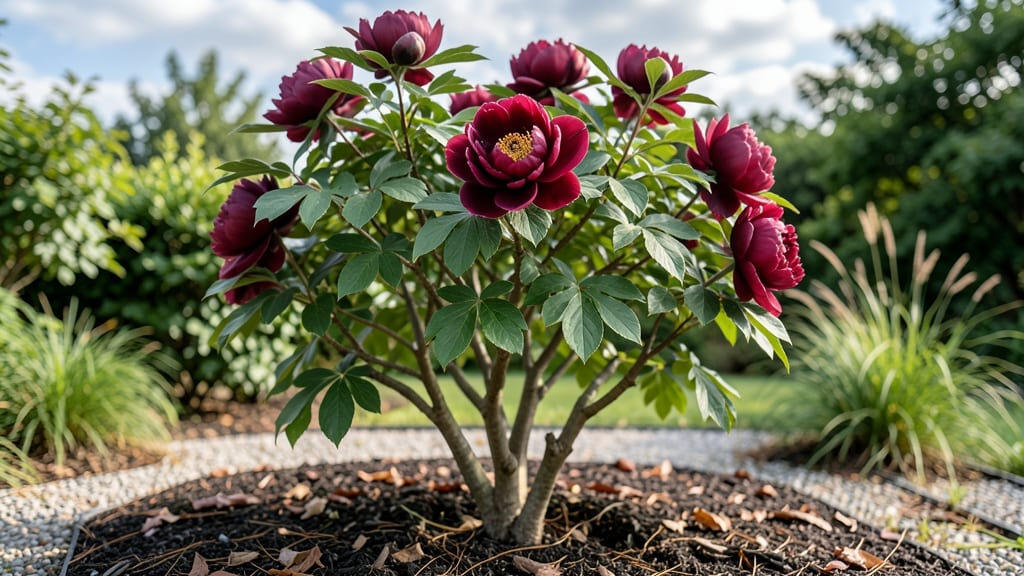
Tree peonies like Paeonia suffruticosa burst into bloom like living jewels—but only if you prune them right. 🌸 I’ve watched my own tree peonies go from sparse, leggy shrubs to showstopping bloomers after mastering the timing and technique, and the secret isn’t complicated once you know the rules.
The key is cutting back after flowering, not before—this forces energy into next year’s buds instead of wasted growth. Most gardeners mess this up by pruning too early or too late, but the right late-summer trim (after blooms fade) transforms everything.
You’ll see thicker stems, more abundant flowers, and a shape that looks like it belongs in a botanical garden. By next spring, your tree peony will reward you with clusters of blooms instead of just a few scattered flowers.
The process takes less than 30 minutes, and the difference is night-and-day. Even if you’ve struggled before, this method works for first-timers and veterans alike. Works in zones 4-8, whether you’re shaping a formal hedge or letting it grow wild in a cottage garden.
Let’s get those blooms back in full force!
📚 In This Guide
- What you need
- Instructions
- Tips and common mistakes
- Wrapping up and next steps
What you need
- ● Pruning shears or secateurs: Bypass pruners (sharp, clean, and disinfected with rubbing alcohol or a 10% bleach solution). Choose 5-inch blades for thicker stems.
- ● Lopping shears: For thick branches (1–2 inches in diameter). Opt for 8-inch blades with a long handle for leverage.
- ● Garden gloves: Heavy-duty, cut-resistant (e.g., mechanized or leather) to protect against thorns and sap.
- ● Disinfectant solution: 1 part bleach to 9 parts water (or 70% isopropyl alcohol) to sterilize tools between cuts.
- ○ Pruning sealant (optional but recommended): Tree wound paint (e.g., Tanglefoot Tree Wound Pruning Seal) to prevent disease entry on large cuts.
- ● Rake or broom: For clearing fallen debris and keeping the work area tidy.
- ● Watering can or hose: To hydrate the plant post-pruning (especially after heavy cuts).
- ● Hand saw: For very thick branches (2+ inches)—look for a pruning saw with fine teeth.
- ● Extension pole: For hard-to-reach branches (e.g., 3–6 ft. telescopic pole saw).
- ● Notebook & pen: To sketch a pruning map of cuts before starting.
- ● Mulch: Organic mulch (2–3 inches) (e.g., shredded bark) to retain moisture and suppress weeds.
- ● Safety goggles: To shield eyes from debris or sap splashes.
How to prune tree peonies for stunning year-round blooms
Reviving your tree peony’s beauty starts with the right cuts at the right time—here’s my foolproof method.
✂️ Step 1: Clean Up After Blooming Season
Once your tree peony finishes flowering—usually by early summer—remove all spent blooms by cutting the stem back to the first set of healthy leaves or buds. This ensures the plant directs energy to next year’s blooms instead of seed production. I always use sharp, sterilized pruners to avoid tearing the stems, which can invite disease.
Watch for the first true leaf set below the faded bloom—this is your visual cue. Cut just above that leaf at a 45-degree angle to prevent water from pooling on the wound. This small detail makes a big difference in preventing rot. If you see any dead or damaged branches, trim those back to healthy wood immediately.
✂️ Step 2: Thin Out Overcrowded Branches in Late Summer
In late summer, assess your tree peony’s structure and remove any branches that are rubbing against each other or growing inward. These competing branches weaken the plant and reduce airflow, which can lead to fungal issues. I like to thin out about one-third of the oldest, thickest branches to encourage new growth from the base.
Look for branches that are thinner than a pencil—these are the ones to keep for next year’s blooms. Cut these back to an outward-facing bud to encourage an open, airy growth habit. This step is all about balance: you want your tree peony to have a strong framework but still enough energy to produce abundant flowers.
✂️ Step 3: Light Pruning in Early Spring
In early spring, just as new growth begins to swell but before leaves emerge, give your tree peony a light trim. Remove any dead, broken, or crossing branches first. Then, shorten the remaining branches by about one-third to encourage bushier growth and more blooms. This is also the time to shape the plant if it’s grown too leggy over the winter.
Pay attention to the direction of the buds—cut just above an outward-facing one to maintain an open, vase-like shape. Avoid heavy pruning in spring, as tree peonies bloom on the previous year’s growth. A little light shaping now will pay off with stronger stems and bigger blooms come summer.
✂️ Step 4: Minimal Winter Maintenance
In winter, tree peonies typically need little to no pruning unless you’re dealing with storm damage or dead branches. If you live in a particularly harsh climate, you might want to wrap the base of the plant in burlap to protect it from freezing winds. Otherwise, leave the plant be—it’s dormant and conserving energy for next year’s blooms.
If you do find damaged branches, remove them completely down to the base. This keeps the plant healthy and prevents pests from taking up residence in dead wood. A quick once-over in winter ensures your tree peony starts the growing season strong and ready to bloom again.
⏰ Step 5: Post-Bloom Fertilization and Care
After pruning, feed your tree peony with a balanced, slow-release fertilizer to replenish nutrients lost during flowering. I like to use a 10-10-10 formula in early spring and again after the first flush of blooms. Water deeply after fertilizing to help the nutrients absorb into the soil.
Keep the soil consistently moist but not soggy—tree peonies hate wet feet. Mulch around the base with 2-3 inches of organic matter like shredded bark or compost to retain moisture and regulate soil temperature. This small step makes a big difference in keeping your tree peony healthy and blooming year after year.
Tips & tricks for perfect tree peony pruning
Between us, I've watched tree peonies go from glorious blooms to sad, overgrown bushes—until I learned these game-changing tricks.
Tool Prep Matters: Sterilize your pruners with rubbing alcohol before each use, especially after cutting diseased branches. I learned this the hard way when my peony developed fungal spots from contaminated tools. Also, keep your blades sharp—dull pruners crush stems instead of making clean cuts, which stresses the plant. A quick wipe-down with disinfectant between cuts prevents cross-contamination.
Seasonal Timing Secret: The early summer cleanup (Step 1) is non-negotiable—waiting too long lets the plant waste energy on seed production instead of next year's buds. For Step 2's late summer thinning, I mark my calendar for when my peony's foliage starts yellowing slightly—that's your cue to assess the structure. Spring's light pruning (Step 3) should happen when you see those fat buds swelling but before leaves unfurl—this timing ensures you're not cutting next year's blooms.
Visual Cue for Perfect Cuts: When making your 45-degree angle cuts, imagine slicing the stem just above where two leaves meet at a slight upward angle. This creates a larger surface area for healing while preventing water from pooling. For the outward-facing bud rule (Steps 2 and 3), think "open vase shape"—you're training the plant to grow away from the center, which improves airflow and bloom visibility.
Winter Protection Hack: If you're in Zone 5 or colder, I've found that wrapping the base with burlap and securing it with twine creates a microclimate that protects against freezing winds. For extra insurance, mound a 2-3 inch layer of straw around the base before the first hard freeze—this acts like a natural blanket without smothering the plant. Remove it in early spring before new growth appears.
Pro Tips for Paeonia Tree Peony
- Between us, I've watched tree peonies go from glorious blooms to sad, overgrown bushes—until I learned these game-changing tricks.
- Tool Prep Matters: Sterilize your pruners with rubbing alcohol before each use, especially after cutting diseased branches.
- Seasonal Timing Secret: The early summer cleanup (Step 1) is non-negotiable—waiting too long lets the plant waste energy on seed production instead of next year's buds.
Frequently asked questions
about pruning Paeonia tree peonies—your go-to guide for keeping these stunning shrubs thriving!When is the best time to prune my tree peony?
The ideal window is late winter or early spring, right after the last frost but before new growth starts. Avoid pruning in fall or during active bloom—this can stress the plant and reduce next year’s flowers. If you miss the season, a light trim in early summer (after flowering) is better than nothing, but expect fewer blooms.
How much can I cut back my tree peony without harming it?
Never remove more than 1/3 of the plant’s height in a single pruning. Tree peonies store energy in their roots and stems, so aggressive cuts can weaken them. Focus on dead, diseased, or crossing branches first. For rejuvenation, thin out older canes gradually over 2–3 years to avoid shocking the plant.
Why aren’t my tree peonies blooming after pruning?
Bloom loss often stems from over-pruning or cutting back green canes (which hold flower buds). Always prune above a leaf node or bud—never to bare wood. If buds form but don’t open, check for pests (like peony sawfly larvae) or poor drainage. Patience helps: tree peonies can take 1–2 years to rebound after heavy pruning.
Can I prune tree peonies in hot or cold climates?
Yes, but adjust timing! In hot climates, prune in early spring (March–April) to avoid summer stress. In cold zones (below Zone 4), wait until late April to prevent frost damage to fresh cuts. Always water deeply before and after pruning to help the plant recover, especially in extreme temps.
What’s a good alternative if my tree peony looks overgrown?
If pruning feels too risky, try selective thinning instead: Remove 3–4 oldest canes at the base (using clean, sharp shears) to encourage new growth. For a dramatic reset, you can also divide the plant in early spring—dig up clumps, separate roots, and replant sections. Just water thoroughly post-division!
Wrapping up and next steps
Pruning your paeonia tree peony isn’t just about keeping it tidy—it’s your secret weapon for stunning, year-round blooms! 🌸 By mastering the right techniques (like avoiding late-season cuts or over-pruning), you’ll unlock healthier growth, stronger stems, and those showstopping flowers you adore.
Think of it as a love letter to your plant—just a little trim goes a long way.
Ready to transform your garden? Grab those pruners and start small—even one strategic cut can make a difference. Before you know it, your tree peony will be the star of the show, blooming boldly and effortlessly. Your green thumb is about to shine! 🌿✨