
Trees
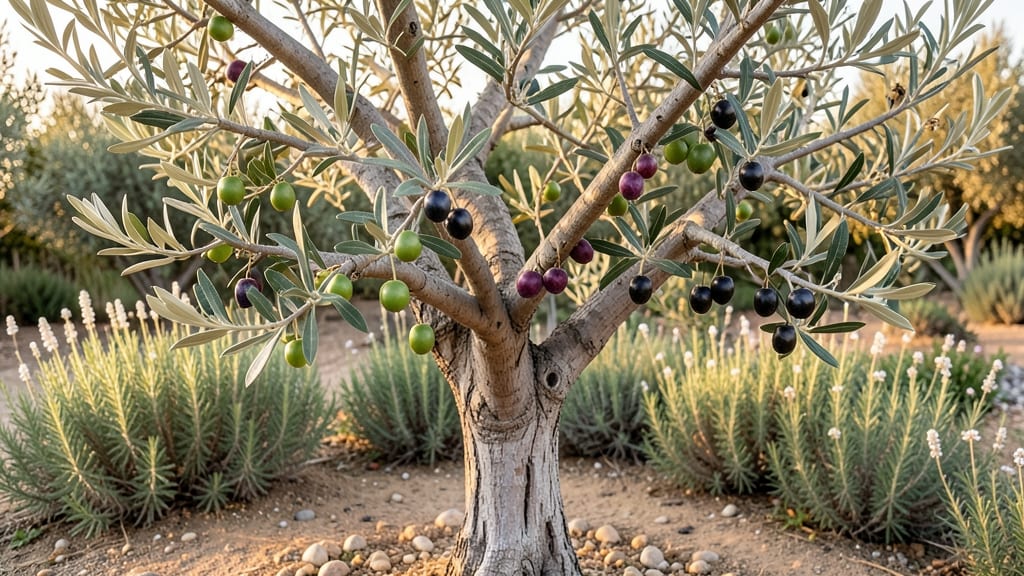
The olive tree fruit stages reveal a fascinating journey from delicate blossoms to rich, harvest-ready olives—one that even experienced gardeners sometimes miss.
Picture this: your 🫒 olive tree bursts into white flowers in spring, but by summer, half the fruit has mysteriously vanished. That’s not failure—it’s nature’s way of selecting the strongest olives. Understanding these stages helps you support (not force) a bountiful harvest, whether you’re growing for oil or table olives.
From flowering to color change, each phase depends on temperature, water, and pruning. A young tree in Zone 10 might take years to fruit, while a mature one rewards patience with hundreds of pounds of olives by fall.
Below, I’ll walk you through the exact milestones—when to expect them, what to watch for, and how to troubleshoot common pitfalls.
You’ll learn how to tell ripe olives from underripe ones, why some drop early, and when to prune for next year’s crop. No guesswork—just a clear, step-by-step roadmap to turning your olive tree into a productive powerhouse.
Olive tree fruit development stages: month-by-month breakdown
Understanding the olive tree fruit stages helps you anticipate care needs and troubleshoot issues like premature fruit drop. My 10-year-old Arbequina olive tree in California’s coastal climate produces fruit reliably, but I’ve learned the hard way that each stage requires specific attention.
From delicate spring blossoms to the fall harvest, timing is everything for a successful crop.
The journey begins in late winter when your olive tree wakes from dormancy. This is when buds swell and prepare for the flowering stage, which typically occurs in March through April. Proper watering and pruning during this phase set the stage for fruit set later in the season.
I always monitor my tree’s water stress levels—even slight drought can cause blossoms to fall before fruiting.
| Stage | Month | Key Milestones | Care Tips |
|---|---|---|---|
| Flowering | March-April | White/pink blossoms appear; fruit begins as tiny green buds | Avoid overwatering; prune to improve air circulation |
| Fruit Set | April-May | Olives form; pit begins hardening (3-4 weeks post-flowering) | Reduce nitrogen fertilizer to prevent excessive leaf growth |
| Rapid Growth | June-July | Olives grow rapidly; skin turns from green to purple hues | Deep watering every 7-10 days; monitor for pests |
| Color Change | August-September | Olives darken to black/purple; pit fully hardened | Reduce watering slightly; harvest soon after color change |
| Ripening | October-December | Olives soften; ready for harvest (green or black, depending on variety) | Harvest when 70-80% of olives have darkened |
The fruit set stage (April-May) is critical because this is when many olives drop prematurely. My Arbequina variety often loses 30-40% of its fruit during this phase if I don’t adjust care.
The key is reducing nitrogen fertilization—too much promotes leaf growth at the expense of fruit retention. I switch to a balanced 6-6-6 fertilizer during this period to encourage stronger fruit development.
By June and July, your olives enter their rapid growth phase. This is when they grow from pea-sized buds to their full size. I’ve noticed that consistent deep watering prevents cracking—a common issue in hot, dry climates.
My solution? A drip irrigation system that delivers water directly to the root zone. During this stage, olives also begin changing color from green to purple or black hues, depending on the variety.
One of my biggest lessons came during the color change phase (August-September). Some olives on my tree turned black while others remained green. I thought they were underripe, but after researching, I learned this is normal for some varieties.
The key is to harvest when 70-80% of olives have darkened. For table olives, I pick them at this stage, while oil olives can wait until fully black.
Premature fruit drop is a common frustration, but it’s often preventable. Overwatering, nutrient imbalances, or pests like olive fruit flies can cause olives to fall early. I’ve found that pruning to improve airflow and using organic pest controls (like neem oil) helps maintain fruit retention.
If you notice olives dropping in large numbers, check for signs of stress like yellowing leaves or wilting branches.
The final stage is ripening (October-December), when olives soften and their pits fully harden. This is when they’re ready for harvest, whether you’re growing them for table olives or olive oil. For my Arbequina tree, I harvest in late October when most olives are dark purple.
I test ripeness by gently squeezing an olive—it should yield slightly but not feel mushy. Overripe olives can split, so timing is everything!
Monitoring your olive tree’s fruit development stages month by month ensures a bountiful harvest. Keep a gardening journal to track color changes, growth rates, and any issues like pest damage.
With the right care, your olive tree can reward you with years of productive fruit—just like mine does every fall. 🫒
How to identify ripe olives for harvesting: color, texture & taste tests
Harvesting olives at the right moment transforms a good crop into an exceptional one. The key lies in understanding the subtle color shifts, texture changes, and taste cues that signal peak ripeness. Unlike many fruits, olives don’t ripen after picking—so timing is everything.
For table olives, you’ll want them firm and greenish-purple, while oil olives should be fully black and soft. Let’s break down how to spot them perfectly.
First, observe the fruit color—this is your primary indicator. Green olives (like Manzanillo or Sevillano) should turn a deep purple-green when ready for table use, while black olives (such as Mission or Arbequina) will darken to a rich, inky black.
Color alone isn’t enough, though—you’ll need to combine it with texture and taste for accuracy. Ignoring these signs often leads to overripe (bitter) or underripe (hard, unpalatable) olives.
Firm texture, tart flavor, ideal for curing
Hard, bitter, and unripe; won’t soften properly
Soft, yielding skin, rich oil content
Overripe, mushy, and prone to spoilage
Squeeze gently—ripe olives yield slightly like a ripe avocado
Hard olives = underripe; mushy olives = overripe
Next, perform a texture test by gently squeezing an olive between your thumb and forefinger. A ripe olive should feel firm yet slightly yielding, almost like the flesh of a ripe avocado. If the olive is rock-hard, it’s not ready—these will never soften properly, even after curing.
On the flip side, if it feels mushy or squishy, it’s past its prime and may ferment or spoil quickly. This test is especially critical for oil olives, which need that perfect balance of softness and structure.
Don’t overlook the taste test, though it’s the least reliable due to personal preference. Bite into a candidate olive and note the flavor: ripe olives should taste tart and slightly bitter (for green) or rich and buttery (for black). If it tastes bland or overly sweet, it’s likely underripe.
For oil production, the flavor should be intensely fruity with a peppery finish. Remember, olives continue to develop flavor on the tree—so taste a few every few days to track progress.
One common mistake is harvesting based on calendar dates alone. While most olives ripen between October and December, climate and variety play huge roles. A hot, dry summer can accelerate ripening, while a cool, wet season may delay it.
Also, avoid picking olives that have already fallen to the ground—these are often overripe or damaged. Instead, harvest directly from the tree using pruning shears or a harvesting rake to minimize bruising.
For table olives, aim to harvest when they’re still greenish-purple and firm. These will cure best in brine or lye solutions. For oil olives, wait until they’re fully black and soft, as these yield the highest oil content.
Once harvested, process them within 24 hours to preserve quality. Store unprocessed olives in a cool, dark place and use them within a week for the best results.