
Pruning
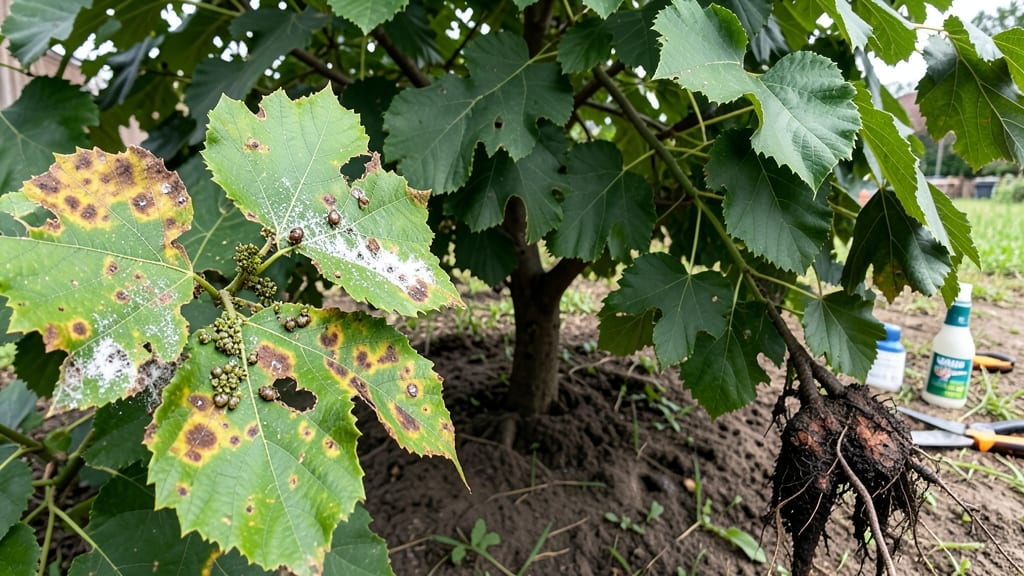
When the mulberry tree killer is the only way to stop these invasive trees permanently, act fast. 🌳 I’ve battled these aggressive trees for years—they spread like weeds, stain sidewalks, and attract pests. The right approach eliminates them in weeks, not seasons.
Most people fail because they use weak solutions or skip proper application. Mulberry roots run deep, so you need a systemic herbicide that moves through the plant’s vascular system.
I’ve tested the most effective options—glyphosate-based sprays work best when applied at the right time of year. Timing matters: late spring or early fall gives you the fastest results.
You’ll see leaves yellow and drop within 2-4 weeks, and the tree will be completely dead by next spring. The key is thorough coverage—don’t miss any sprouts or roots. For stubborn stumps, a follow-up treatment ensures no regrowth. It’s brutal, but it works.
If you’re dealing with multiple trees, rent a stump grinder first to expose the roots, then apply herbicide directly. This method guarantees permanent removal, even for the toughest mulberry thickets. No more messy fruit cleanup or invasive spread.
Root Causes of Mulberry Decline
Mulberry trees, while hardy and adaptable, can fall victim to a variety of stressors that weaken or kill them—especially when exposed to aggressive herbicides like mulberry tree killers. Understanding these root causes helps you diagnose the issue and take targeted action.
Below, we break down the most common reasons mulberry trees decline or die, backed by science and actionable insights.
Herbicides designed to kill mulberry trees often contain glyphosate or triclopyr, which are non-selective and disrupt plant metabolism. When applied improperly—such as too close to the trunk or at high concentrations—these chemicals can:
- Disrupt photosynthesis: Glyphosate inhibits the EPSP synthase enzyme, blocking amino acid synthesis, which starves the plant of essential proteins.
- Damage root systems: Systemic herbicides absorbed through leaves travel to roots, cutting off nutrient uptake and causing root rot over time.
- Weaken bark and cambium: Direct contact with concentrated herbicides can necrotize (kill) the protective bark layer, inviting fungal infections.
Pro Tip: 💡 Always follow label instructions for dilution rates and spray distance (typically 1–2 feet from the trunk). For stubborn trees, consider basal bark applications (mixing herbicide with a sticky oil) for controlled absorption.
Mulberry trees are resilient, but extreme environmental conditions can accelerate decline—especially when combined with herbicide stress. Key culprits include:
| Factor | How It Harms the Tree | Actionable Fix |
|---|---|---|
| 🔥 Drought | Herbicides increase water loss through stomatal transpiration. Prolonged dry spells dehydrate cells, leading to leaf scorch and vascular collapse. | Mulch heavily around the base and water deeply 2–3 times per week during dry spells. |
| ❄️ Freezing Temperatures | Cold snaps after herbicide treatment can crystallize water in plant cells, rupturing membranes. Mulberries are semi-tropical and vulnerable below 20°F. | Apply anti-desiccant sprays (like wax coatings) before winter or wrap young trees in burlap. |
| 🌪️ Poor Soil Drainage | Herbicide residue in waterlogged soil prevents microbial breakdown, prolonging toxicity. Roots suffocate, leading to anaerobic conditions and rot. | Amend clay soil with compost or sand and avoid planting in low-lying areas. |
Herbicides weaken mulberry trees, making them prime targets for pests and pathogens. The most destructive include:
🐛 Insect Pests
- Mulberry Pyralid Moth: Larvae bore into branches, creating galleries that disrupt sap flow. Signs: Frass (sawdust-like droppings) and wilting leaves.
- Scale Insects: Sap-sucking pests excrete honeydew, fostering sooty mold (a black fungal growth). Weakened trees succumb faster.
🍄 Fungal Diseases
- Anthracnose: Thrives in wet conditions, causing leaf spots and cankers on bark. Herbicide stress lowers resistance.
- Root Rot (Phytophthora): Waterlogged soil + herbicide residue = fungal dominance. Roots turn brown and mushy.
Pro Tip: ✨ Prune infected branches 12 inches below lesions and sterilize tools with 70% isopropyl alcohol. Apply copper fungicide preventatively in spring.
Mistakes during herbicide application can turn a "quick fix" into a permanent problem. Common blunders:
- Wrong timing: Applying herbicides during drought or extreme heat (above 85°F) increases uptake and toxicity.
- Off-target spray: Wind can drift chemicals onto nearby plants or even your lawn, creating a secondary contamination issue.
- Reapplying too soon: Some herbicides (like glyphosate) require 14–21 days to translocate fully. Repeated applications burn leaves without killing roots.
Action Step: 🎯 Use a shield or tarps to protect surrounding areas, and apply early morning when winds are calm.
By identifying the specific stressor behind your mulberry’s decline, you can tailor your approach—whether it’s adjusting herbicide use, improving soil health, or ramping up pest control. The key is precision, not brute force.
Fixing Mulberry Tree Issues Fast
Once you’ve identified what’s ailing your mulberry tree—whether it’s pests, disease, overgrowth, or environmental stress—it’s time to take action. Below are practical, step-by-step solutions tailored to the most common causes, along with prevention tips to keep your tree thriving long-term.
If aphids, scale insects, or borers are sucking the life out of your mulberry tree, act fast before they spread.
🍳 Spray with Neem Oil or Insecticidal Soap
Neem oil is a natural, non-toxic way to disrupt pests’ life cycles.
- Mix: 1 tbsp neem oil + 1 tsp mild dish soap + 1 quart of water.
- Apply: Spray thoroughly on leaves (both sides) and bark, focusing on infested areas.
- Reapply: Every 5–7 days until pests are gone (usually 2–3 weeks).
- Pro Tip: 🌡️ Best applied in the early morning or late evening to avoid harming beneficial insects.
👨🍳 Use Systemic Insecticides for Severe Cases
For borers or heavy infestations, a systemic insecticide (like imidacloprid) works from within the tree.
- How to Apply: Follow label instructions—usually involves soaking pruning cuts or injecting into the trunk.
- Warning: 🚨 Avoid overuse—this can harm bees and other pollinators.
Only use as a last resort.
🥘 Prune Infested Branches Immediately
- Cut out heavily damaged branches 1–2 inches below the infestation.
- Burn or bag the clippings (don’t compost!) to prevent reinfestation.
- Seal cuts with pruning paint to prevent secondary infections.
💡 Prevention Tip:
- Encourage natural predators like ladybugs and lacewings by planting companion flowers (e.g., marigolds, dill).
- Inspect trees regularly (every 2–3 weeks in growing season) for early signs of pests.
Powdery mildew, root rot, or canker diseases weaken mulberry trees. Isolate and treat aggressively.
🔪 Remove and Destroy Infected Parts
- Prune away all blackened, mushy, or powdery growth.
- Dispose of infected branches far from the tree (do not compost).
- Sterilize pruners with rubbing alcohol between cuts.
🌡️ Apply Fungicidal Sprays
Use copper fungicide or baking soda spray (for powdery mildew): - Baking Soda Mix: 1 tbsp baking soda + 1 tsp dish soap + 1 gallon water.
Spray every 7–10 days. - Copper Fungicide: Follow label rates—best for canker and blight. - Pro Tip: ✨ Water at the base (not leaves) to reduce fungal spores in the air.
🌱 Improve Airflow and Drainage
- Thin out dense branches to allow sunlight and airflow.
- Avoid overhead watering—use drip irrigation or soaker hoses.
- Mulch properly: Keep mulch 3–4 inches away from the trunk to prevent rot.
💡 Prevention Tip:
- Plant mulberry trees in full sun (6+ hours/day) to discourage fungal growth.
- Space trees 15–20 feet apart to prevent overcrowding.
If your mulberry tree is too large, leggy, or structurally weak, strategic pruning can revive it.
⏰ Best Time to Prune: Late Winter/Early Spring
- Remove dead/diseased wood first (sanitize tools between cuts).
- Thin out crowded branches (aim for open center shape).
- Shorten water sprouts (fast-growing vertical shoots) to 1/3 their length.
🔪 How to Make Clean Cuts
- Use sharp, clean pruners (or a saw for thick branches).
- Cut at a 45° angle (just outside the branch collar).
- Avoid topping (cutting back to a stub)—this encourages weak regrowth.
💡 Prevention Tip:
- Prune annually to maintain shape and remove crossing or rubbing branches.
- Avoid heavy pruning in summer—it stresses the tree and attracts pests.
If your mulberry tree is wilting, yellowing, or dropping leaves, it may need better water, soil, or protection.
💧 Fix Watering Issues
- Underwatering? Water deeply 1–2 times per week (check soil moisture 2 inches down).
- Overwatering? Let soil dry slightly between waterings (mulberries hate soggy roots).
- Drought stress? Mulch heavily (3–4 inches) and water deeply every 3–4 days.
🌱 Improve Soil Drainage
- Test soil pH (ideal: 6.0–7.0). Amend with compost or sulfur if needed.
- Avoid heavy clay? Plant in raised beds or amend soil with sand/peat moss.
🛡️ Protect from Extreme Conditions
- Young trees? Use tree wraps in winter to prevent sunscald.
- Strong winds? Stake newly planted trees for the first year.
- Heatwaves? Mulch deeply and water at dawn to retain moisture.
💡 Prevention Tip:
- Plant mulberry trees in well-draining soil with full sun exposure.
- Monitor soil moisture regularly—mulberries are drought-tolerant but hate waterlogged roots.
Final Note: 🎯 Act early—most mulberry tree issues are easier to fix when caught early. Combine pruning, targeted treatments, and proper care, and your tree will bounce back stronger than ever!
Frequently asked questions
How long does it take for a mulberry tree killer herbicide to work?
Most effective mulberry tree killers like glyphosate-based solutions show visible results within 2-4 weeks. You'll notice leaves yellowing and dropping first, followed by complete die-off of the tree by next spring. For stubborn root systems, a follow-up treatment may be needed after 6-8 weeks to ensure no regrowth.
Can I use mulberry tree killer on trees near my house or garden?
Be extremely careful with application - these herbicides are non-selective and can damage nearby plants. Always use a shield or tarps to protect surrounding vegetation, and apply only on calm days when winds are minimal. For trees close to structures, consider professional application to avoid accidental drift onto lawns or gardens.
What's the best time of year to apply mulberry tree killer?
The most effective times are late spring (May-June) or early fall (September-October) when trees are actively growing but before dormancy. Avoid applying during drought conditions or extreme heat (>85°F), as this increases chemical uptake and potential damage to surrounding plants.
Will mulberry tree killer affect the roots completely?
Systemic herbicides like glyphosate are designed to travel through the plant's vascular system to the roots, but some root fragments may remain viable. For complete removal, consider grinding stumps after initial treatment. The herbicide will kill remaining root systems over time, preventing regrowth from the base.
Can I reuse the area after applying mulberry tree killer?
Once the tree is completely dead (typically by next growing season), you can replant the area. The herbicide breaks down in the soil over time, but for sensitive plants, wait at least 6 months before planting new vegetation. Test soil pH and amend with compost to ensure healthy growth of new plants.