
Pruning
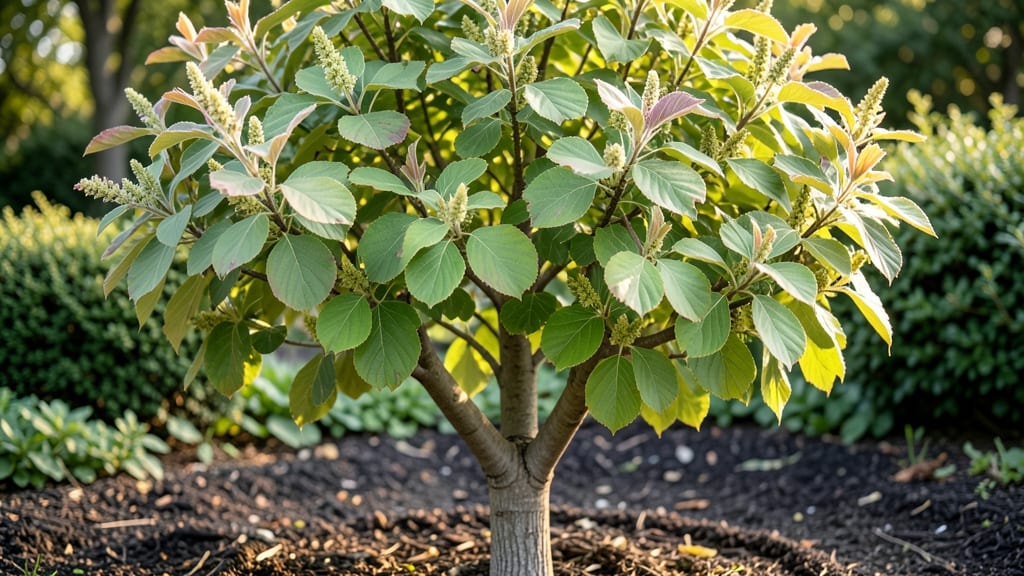
A mulberry tree in spring thrives when pruned in late winter or early spring before buds swell, focusing on removing dead wood and thinning branches to boost air circulation and fruit production. Avoid heavy pruning after new growth starts to prevent stress.
A mulberry tree's spring pruning window is all about timing and purpose. 🌱 The dormant season lets you safely remove up to 25% of the tree's canopy without shocking it, while promoting vigorous new growth.
I've found that thinning branches to let sunlight reach the center creates a more productive fruit-bearing structure—something critical for varieties like Illinois Everbearing. The key is working before sap rises, typically between February and early March in most climates, but always after the last frost date.
What sets mulberry pruning apart is its dual focus: both fruit production and tree health. Removing dead wood eliminates disease entry points, while strategic thinning improves air flow—reducing fungal risks like powdery mildew that plague these trees.
For best results, I recommend using clean, sharp bypass pruners and making cuts just outside branch collars to promote faster healing.
💡 In This Article
- Best Mulberry Tree Pruning Timing and Techniques
- Signs Your Mulberry Tree Needs Spring Pruning
Best mulberry tree pruning timing and techniques
The ideal time to prune mulberry trees in spring—late winter or early spring—aligns perfectly with the tree's dormant phase when it's not actively growing. During this period, the tree's energy is stored in its roots, making it far more resilient to pruning stress.
Pruning before buds swell (typically February to early March in most regions) allows you to remove up to 25-30% of the tree's canopy without triggering excessive sap flow, which can weaken the tree if done later.
This precise timing also minimizes the risk of disease transmission, as open wounds heal more efficiently when temperatures are cooler.
Mulberry trees naturally grow in two primary shapes: the open-center form (common in wild types) and the central leader form (typical of cultivated varieties like 'Illinois Everbearing').
For open-center trees, focus on removing dead, diseased, or crossing branches from the center outward to create a vase-like structure that maximizes sunlight exposure. In contrast, central leader trees benefit from selective pruning to maintain a single dominant trunk while thinning lower branches to improve air circulation.
The goal is to shape the tree so that sunlight reaches at least 70% of the canopy, which directly correlates with higher fruit production.
When pruning, always make cuts just outside the branch collar—the swollen area where the branch meets the trunk—to prevent tearing and promote faster healing. Use clean, sharp bypass pruners for branches under ½ inch in diameter, and a pruning saw for thicker limbs.
Avoid leaving stubs, as they can trap moisture and invite rot. After pruning, the tree will redirect its energy toward new growth, often producing 20-30% more fruit in the following season due to improved air flow and sunlight penetration.
One common mistake is pruning too aggressively after new growth appears, which forces the tree to expend energy on healing while trying to support existing foliage. This can lead to stunted growth or reduced fruit yield.
Instead, focus on gradual thinning—removing only the necessary branches to maintain the tree's structural integrity. For example, if you notice branches growing toward the center of the tree, prioritize removing the smaller ones to open up the canopy without compromising the tree's overall shape.
Consider the mulberry tree's growth habit: these trees are fast-growing and can produce 100-200 pounds of fruit per year under optimal conditions. Proper pruning not only enhances fruit production but also extends the tree's lifespan by reducing the risk of disease and pest infestations.
For instance, removing suckers (shoots growing from the base) redirects energy to the main canopy, ensuring stronger fruit-bearing branches. 🌿 This balanced approach keeps the tree healthy, productive, and visually appealing for years to come.
For advanced pruning, consider using a three-cut method for larger branches: first, make an undercut about 6-12 inches from the trunk, then a top cut slightly farther out, and finally, remove the branch by twisting it free.
This technique prevents bark tearing and ensures a cleaner cut. Always sterilize your tools between cuts with rubbing alcohol to prevent the spread of disease, especially if your tree shows signs of fungal infections like powdery mildew.