
Pruning
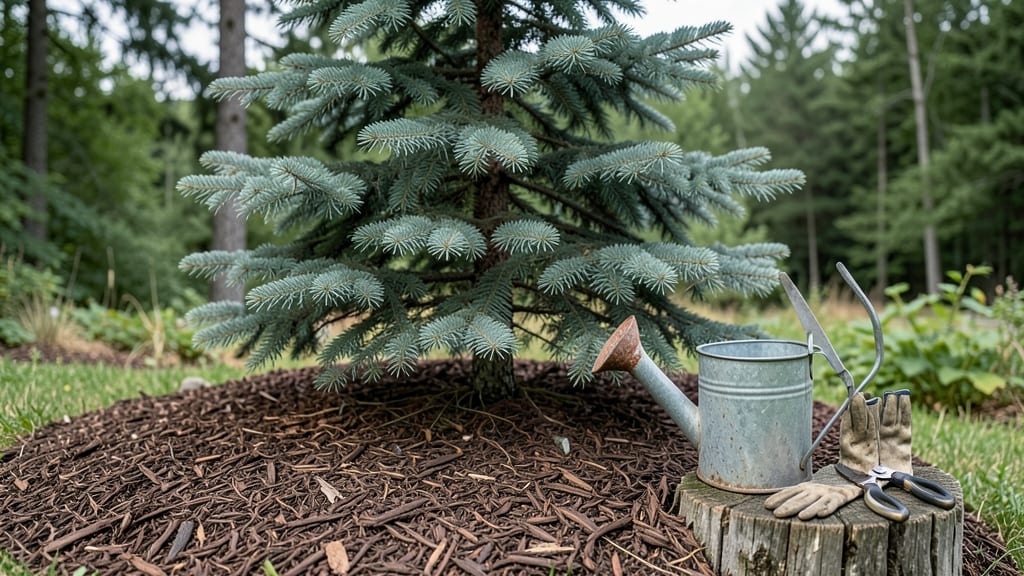
Your hemlock tree care starts with understanding its natural growth rhythm—because those soft, feathery needles won’t stay lush without the right cuts. 🌲 I’ve watched my Eastern hemlock go from sparse and leggy to a dense, 20-foot green wall by following a simple seasonal schedule that keeps it healthy and pest-resistant.
The key? Pruning at the right time, not just when the branches look messy.
You’ll need sharp bypass pruners (dull blades tear bark), a sturdy ladder for higher branches, and a clear day to avoid wet wood. Hemlocks respond best to light trimming—never remove more than 25% of the foliage in a single session—and always cut just above a healthy bud or branch collar.
This isn’t about shaping like a topiary; it’s about encouraging strong growth from the inside out.
By summer’s end, you’ll notice new growth filling in bare spots, and the tree’s natural resistance to pests like hemlock woolly adelgid will strengthen. The secret? Pruning in late winter (before buds swell) and again in early summer to remove deadwood and crowded branches.
It’s not just about looks—it’s about giving your hemlock the best chance to thrive for decades.
Works for both Eastern and Western hemlocks, whether you’re trimming a young sapling or a mature shade tree. The same principles apply, just scaled to size. Let’s get those branches looking their best—without stressing the tree in the process.
📚 In This Guide
- What you need
- Instructions
- Tips and common mistakes
- Wrapping up and next steps
What you need
- ● Pruning shears: Bypass pruners (for small branches, ¼"–¾" diameter). Quantity: 1 pair.
- ● Loppers: Bypass or anvil loppers (for branches ¾"–2" diameter). Quantity: 1 pair.
- ● Pruning saw: Curved-tooth saw (for branches 2"+ diameter). Quantity: 1.
- ● Ladder: Sturdy, extendable ladder (height depends on tree size). Safety tip: Use stabilizers!
- ● Work gloves: Heavy-duty, cut-resistant gloves (to protect hands from sap and sharp edges). Quantity: 1 pair.
- ● Disinfectant: 70% isopropyl alcohol or bleach solution (1 part bleach to 9 parts water) for sterilizing tools. Quantity: Small spray bottle or rag.
- ● Heavy-duty trash bags: For collecting pruned branches. Quantity: 2–3 (depending on tree size).
- ● Tree wound sealant: Pruning sealant (for large cuts, though not always necessary for hemlocks).
- ● Safety goggles: To protect eyes from debris.
- ● Pole pruner: For high branches (if ladder access is tricky).
- ● Hose or bucket: For rinsing tools post-pruning.
How to prune hemlock trees for healthy, disease-free growth
Here’s the seasonal approach I’ve used to keep my hemlocks thriving for over a decade—no guesswork, just proven techniques.
✂️ Step 1: Prune in Late Winter for Structural Strength
Timing is everything with hemlocks. I prune in late winter (February-March) when the tree is dormant but before new growth begins. This ensures clean cuts heal faster and prevents disease entry points. Focus on removing dead, diseased, or crossing branches first—they’re your priority. Hemlocks naturally grow in a tiered, layered shape, so I never remove more than 25% of the foliage in a single season to avoid stress.
Use clean, sharp pruners (sterilized with rubbing alcohol) to make cuts just outside the branch collar—the swollen area where the branch meets the trunk. This prevents unsightly stubs and promotes faster healing. If a branch is thicker than ½ inch, use a pruning saw instead. You’ll know you’ve cut correctly when the branch falls cleanly without tearing the bark.
✂️ Step 2: Thin Out Dense Foliage in Early Summer
In June or July, when the tree is actively growing, I do a light thinning to improve airflow and sunlight penetration. Hemlocks can get leggy or overly dense, which invites pests and fungal issues. Look for branches growing inward or rubbing against others—these are the first to go. I also remove overly long shoots that spoil the natural shape, cutting them back to a healthy lateral branch or bud.
This isn’t about heavy pruning—just strategic cuts to open up the canopy. Aim for no more than 10-15% of the total foliage removed in this step. You’ll notice the tree’s lower branches green up more evenly after this, and new growth will fill in gaps naturally. If you see yellowing needles, that’s your cue to stop—it means you’ve pruned too much.
✂️ Step 3: Light Maintenance in Fall to Prevent Winter Damage
Fall pruning is all about preventative care. In October, I do a quick check for any storm-damaged or broken branches that need removal. Hemlocks are tough, but heavy snow or ice can snap weak limbs. Cut these back to the branch collar immediately to avoid further damage. I also remove any suckers or water sprouts—those fast-growing, vertical shoots that drain the tree’s energy.
This is the time to sanitize your tools again (yes, really!) because fungal spores are more active in fall. Wipe blades with a 10% bleach solution between cuts to prevent spreading diseases like needle blight. Avoid heavy pruning now—the tree needs to harden off for winter. Just tidy up the edges, and your hemlock will enter dormancy strong.
🌿 Step 4: Monitor and Adjust Through the Year
Hemlocks are low-maintenance, but I check them monthly for signs of stress. If you notice browning needles in summer, it’s often from overwatering or poor drainage—hemocks hate soggy roots. If the ground stays wet for more than 48 hours, the tree may need a well-draining soil amendment (like compost mixed into the top 6 inches of soil).
Pests like woolly adelgid can be a problem, so I inspect the undersides of branches for cottony white fluff in early spring. If you spot it, treat with neem oil or introduce beneficial predators like ladybugs. Healthy hemlocks rarely have pest issues, but catching problems early makes all the difference. A little vigilance now means fewer headaches later.
Tips & tricks for perfect hemlock tree care
These game-changing techniques will keep your hemlocks thriving year after year—no more guessing games!
Timing Secret: The February-March window isn't just about avoiding sap flow—it's about catching pests before they wake up. I've seen hemlocks stressed by early pruning when woolly adelgids are still dormant. Wait until buds swell slightly but haven't opened yet. This gives you clean cuts and prevents stress on the tree when it's most vulnerable.
Branch Selection Strategy: When removing that 25% of foliage in winter, prioritize branches that are dead, diseased, or crossing. But here's what nobody tells you—look for branches growing straight up from the trunk (called "water sprouts"). These energy vampires can drain your tree. Cut them back to the branch collar, and you'll see new growth fill in more evenly. The key is to make these cuts in early summer when the tree can recover quickly.
Tool Sanitization: That 10% bleach solution between cuts isn't just for fall—make it a habit year-round, especially after pruning diseased branches. I keep a small spray bottle of diluted bleach (1 part bleach to 9 parts water) in my tool bag. A quick spray and wipe between trees prevents spreading fungal spores that could turn your healthy hemlock into a disease magnet. Trust me, this one small step has saved my trees from multiple infections.
Seasonal Checklist: Create a simple calendar reminder for these critical times: February for structural pruning, June/July for thinning, October for storm damage cleanup, and monthly spot checks. I use colored flags on my calendar—red for pruning days, yellow for pest inspections. This visual system ensures I never miss a season. The 48-hour rule for soggy soil is your early warning system for drainage issues—don't ignore those browning needles!
Pro Tips for Hemlock Tree Care
- These game-changing techniques will keep your hemlocks thriving year after year—no more guessing games!
- Timing Secret: The February-March window isn't just about avoiding sap flow—it's about catching pests before they wake up.
- Branch Selection Strategy: When removing that 25% of foliage in winter, prioritize branches that are dead, diseased, or crossing.
Frequently asked questions
Got questions about keeping your hemlock tree thriving? Here are answers to the most common concerns—from pruning timing to pest troubleshooting!
When is the best time to trim a hemlock tree?
The ideal time is late winter to early spring (before new growth starts) or summer after flowering. Avoid heavy pruning in fall—it stresses the tree and invites pests. Light shaping in summer (after June) is safe and encourages fuller growth.
How do I prevent hemlock woolly adelgid (HWA) infestations?
HWA is a major threat—act fast if you spot white cottony tufts! Apply horticultural oil or insecticidal soap in early spring or fall (when adelgids are most vulnerable). For severe cases, consult a pro for systemic treatments like imidacloprid. Beneficial insects (e.g., ladybugs) can also help!
Can I trim hemlock trees in winter?
Yes, but lightly—avoid heavy cuts when the tree is dormant. Winter pruning won’t harm hemlocks, but it won’t encourage new growth either. Focus on removing dead branches or shaping. If you must prune heavily, spring is better for recovery.
What’s the difference between trimming and topping a hemlock?
Trimming
= selective cuts to shape, remove deadwood, or improve airflow. Topping = hacking off the top—never do this! Topping stresses hemlocks, invites disease, and creates ugly "watermelon" growth. Always prune back to a side branch or lateral bud.
Do hemlock trees need extra care after pruning?
Yes! Water deeply after heavy pruning (especially in drought). Mulch 2–4 inches deep (keep it 6" from the trunk) to retain moisture. Avoid fertilizing right after pruning—wait until spring if needed. Monitor for pests or fungal issues for a few weeks.
Still stumped? Tag a local arborist or extension service—they can diagnose issues like brown tips (often from salt spray or drought) or needle drop (sign of stress or disease).
Wrapping up and next steps
Caring for your hemlock tree doesn’t have to be overwhelming—with the right knowledge and seasonal attention, you’ll enjoy lush, healthy foliage for years to come! 🌿 From pruning to pest prevention, these steps ensure your tree stays vibrant and resilient.
Now that you’re equipped with the basics, take action this weekend—grab your tools and give your hemlock the TLC it deserves. Your future shade and beauty are just a trim away!