
Trees
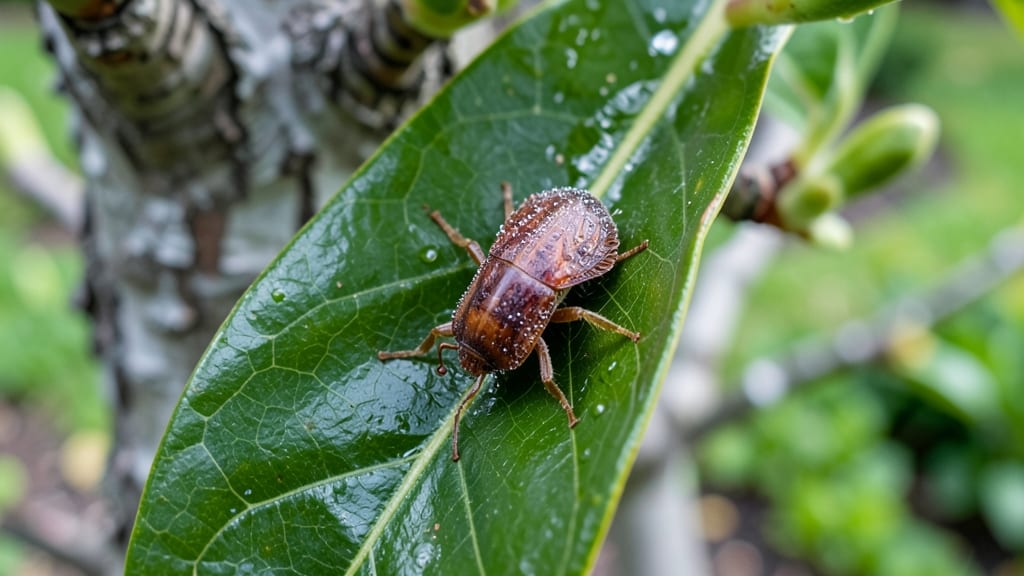
Magnolia tree insects turn your fragrant spring blooms into a battleground of sticky sap and skeletonized leaves. 🌿 I’ve watched scale, webworms, and aphids turn healthy magnolias into stressed shadows—until I learned the early signs and organic fixes that actually work.
The key isn’t just sprays; it’s timing, monitoring, and letting nature do half the work.
Scale insects leave behind white cottony patches while webworms spin silky nests between branches—both signals your tree’s under siege. Aphids? They’ll cluster on new shoots, curling leaves into sad little cups. The good news?
Most infestations start small, and natural predators (like ladybugs and lacewings) can handle them if you give them a fighting chance. Prune out obvious damage in late winter or early spring before pests wake up.
Neem oil sprays and horticultural soap knock down established pests, but prevention is where you win. Wrap tree trunks with sticky bands to trap crawling insects, and inspect leaves weekly during bloom season.
Healthy soil means stronger trees—mulch well and water deeply to help magnolias fight off stress (which makes them more vulnerable).
This isn’t about spraying everything in sight—it’s about targeted action when you spot trouble. With these methods, my magnolias stay lush, blooms stay abundant, and the only insects I see are the good ones. Let’s get your tree back to its glory.
Root Causes of Magnolia Insect Attacks
Magnolia trees, with their lush foliage and fragrant blooms, are a garden favorite—but they’re also a buffet for pests. Understanding why insects target magnolias helps you take precise action. Below, we break down the key biological and environmental triggers that make your magnolia a prime target.
Stress weakens a tree’s natural defenses, making it easier for insects to feed, breed, and spread. Here’s how it happens:
- Poor Soil or Nutrient Deficiencies Magnolias thrive in well-draining, slightly acidic soil rich in organic matter.
When deprived of nitrogen, phosphorus, or potassium, their leaves yellow, stems weaken, and sap becomes less bitter—a red flag for pests like scale insects and borers. - Actionable fix: Test soil pH (ideal: 4.5–6.0) and amend with compost or slow-release fertilizer in early spring.
- Competition for Resources Overcrowded roots (from nearby trees, shrubs, or grass) force magnolias to divert energy to survival instead of pest resistance. Root-feeding weevils and beetles exploit this weakness.
- Pro tip: 💡 Prune competing plants and mulch 3–4 inches deep (but keep mulch 6 inches away from the trunk) to improve root health.
- Drought or Overwatering Both extremes stress magnolias. Drought makes leaves crispy and sap sweeter (attracting aphids), while overwatering creates soggy soil, inviting fungal diseases that weaken the tree—then insects move in. - Quick check: Stick your finger 2 inches into the soil.
If dry, water deeply; if muddy, reduce frequency.
Some pests are drawn to magnolias like moths to a flame—thanks to chemical cues and physical traits:
- Sticky Sap and Soft New Growth Magnolias produce resinous sap that’s high in sugars, a feast for aphids, mealybugs, and soft scale.
Young, tender shoots are especially vulnerable to magnolia scale and borers. - Defense tactic: Apply neem oil (1 tsp per gallon of water) to new growth in early spring to deter feeders.
- Dark Bark and Crevices The rough, fissured bark of mature magnolias provides perfect hiding spots for borers, bark beetles, and spider mites.
These insects lay eggs in cracks, where they’re shielded from predators and sprays. - Solution: 🔥 Scrape off infested bark with a putty knife and seal cracks with pruning paint to block entry points.
- Fragrant Flowers = Insect Magnet While you love magnolia blooms, pollinators like bees also bring sap-sucking pests (e.g., magnolia leaf miners).
The flowers’ nectar can attract ants, which then "farm" aphids for honeydew. - Smart move: 🌡️ Prune spent blooms promptly and use yellow sticky traps near the tree to catch flying adults.
Insect activity isn’t random—it’s tied to magnolia growth cycles:
| Season | Common Pests | Why They Attack |
|---|---|---|
| Early Spring | Scale, borers, leaf miners | Trees emerge from dormancy; soft new growth is easy to penetrate. |
| Late Spring | Aphids, spider mites, ants | Warmth triggers rapid leaf expansion; pests multiply to exploit fresh foliage. |
| Summer | Japanese beetles, caterpillars | Heat-stressed trees produce more sugars in sap, attracting feeders. |
| Fall | Bark beetles, overwintering eggs | Cool temps signal pests to seek shelter in bark crevices or leaf litter. |
- Preventive tip: ⏰ Monitor monthly for early signs (e.g., honeydew on leaves = aphids; frass (sawdust-like droppings) = borers).
Some causes are systemic, but knowing them helps you mitigate damage:
- Urban Pollution and Climate Change Higher CO₂ levels can make plants more palatable to pests by altering leaf chemistry. In cities, ozone pollution weakens magnolias, making them easier targets.
- Workaround: 🌿 Boost tree resilience with mycorrhizal fungi (available as granules) to improve root health.
- Wildlife Activity Birds, squirrels, and deer may damage bark while foraging, creating entry points for borers and beetles. Even armadillos can dig around roots, stressing the tree.
- Deterrent: Install tree wraps or chicken wire guards around young magnolias.
Key Takeaway: Pests target magnolias when the tree is stressed, chemically attractive, or seasonally vulnerable. By addressing soil health, growth conditions, and seasonal risks, you can dramatically reduce infestations—often before they become visible. 🎯
Simple Fixes for Tree Pests
When pests invade your magnolia tree, quick action can save its health—and your peace of mind! Below are targeted solutions for common magnolia tree insects, organized by cause. Each fix is designed to be easy to follow, whether you're a gardening newbie or a seasoned pro.
Don’t forget: prevention is the best cure—we’ll include tips to keep your tree thriving long-term.
Cause: Webworms or magnolia leaf tiers spin silky webs and devour leaves, weakening your tree.
How to Fix It: 🔥 Handpick the Pests – On a sunny day, shake branches over a bucket of soapy water. The heat will stun the worms, making them easy to collect. 🍳 Neem Oil Spray – Mix 1 tbsp neem oil + 1 tsp mild soap per gallon of water. Spray early morning or late evening (avoid direct sun) to suffocate eggs and larvae. 👨🍳 Beneficial Nematodes – Apply Steinernema carpocapsae nematodes to the soil. These microscopic worms seek out and kill webworm larvae naturally. 🥘 Prune & Destroy – Cut out heavily infested branches (sterilize pruners with rubbing alcohol) and bag the clippings to prevent reinfestation.
💡 Prevention Tip: Install fine mesh netting around young trees in early spring to block egg-laying moths.
Cause: Scale insects (armored or soft) cling to branches, sucking sap and leaving sticky honeydew that attracts mold.
How to Fix It: 🔪 Scrape Them Off – Use a plastic scraper or stiff brush to physically remove scales. Focus on buds, stems, and undersides of leaves. 🌡️ Horticultural Oil Spray – Apply dormant oil spray (like Safer® Brand Dormant Spray) in early spring or fall when pests are dormant. Reapply every 7–10 days for severe infestations. ✨ Ladybugs & Lacewings – Release beneficial insects (available at garden centers) to eat scale naturally. They’re the tree’s best allies! 🎯 Systemic Granules – For stubborn cases, use imidacloprid granules (follow label instructions) to treat the root zone—the tree will absorb and distribute the pesticide.
💡 Prevention Tip: Inspect new plants before bringing them home—scale often hitchhikes on nursery stock.
Cause: These larvae tunnel into new growth, causing wilting, dieback, and structural damage.
How to Fix It: 🔥 Cut & Burn Infested Shoots – Prune any wilting or sawdust-covered branches (a sure sign of borers) below the damage. Burn or bag the clippings immediately. 🍳 Bacillus thuringiensis (Bt) Spray – Spray Bt kurstaki (a natural bacteria) on new growth in spring. It’s safe for humans and pets but deadly to borer larvae. 👨🍳 Wood Ash Barrier – Apply a 1-inch layer of wood ash around the base of the tree to deter adult moths from laying eggs. 🥘 Deep Watering + Mulch – Stressed trees attract borers. Keep soil moist but not soggy and mulch 3 inches deep to retain moisture.
💡 Prevention Tip: Avoid over-fertilizing—borers love weak, nutrient-starved trees.
Cause: These metallic-green beetles skeletonize leaves and feast on blossoms, leaving your magnolia looking ragged.
How to Fix It: 🔪 Handpick & Drop in Soapy Water – Fill a bucket with soapy water and shake branches over it. Beetles sink instantly. 🌡️ Neem Oil or Kaolin Clay – Spray neem oil or Surround WP (kaolin clay) to repel and smother beetles. Reapply after rain. ✨ Milky Spore or Beneficial Nematodes – Apply milky spore powder to the soil to reduce beetle populations long-term. 🎯 Traps (Use with Caution!) – Place Japanese beetle traps far from your tree—they can attract more beetles if too close.
💡 Prevention Tip: Plant trap crops like roses or grapes to lure beetles away from your magnolia.
No matter the pest, these proactive steps will keep your tree strong: ✅ Water Deeply & Regularly – 1 inch per week (more in drought) to reduce stress. ✅ Mulch Properly – 3-inch layer of organic mulch (wood chips, bark) keeps roots cool and moist. ✅ Prune for Airflow – Remove dead/diseased branches to prevent pest hideouts. ✅ Inspect Monthly – Check undersides of leaves, buds, and bark for early signs of trouble. ✅ Encourage Wildlife – Birdhouses, bat boxes, and toad habitats introduce natural pest predators.
Final Thought: Most magnolia pests can be managed without harsh chemicals—just act fast, stay consistent, and give your tree the care it deserves. With these solutions, your magnolia will bloom beautifully for years to come! 🌸
Frequently asked questions
What are the most common signs my magnolia tree has insects?
Look for sticky honeydew on leaves (aphids or scale), silky webs between branches (webworms), or tiny holes in leaves (borers). Check undersides of leaves for clusters of small insects or eggs. Early detection is key—act when you see 10% or fewer leaves affected.
How do I know if my magnolia tree is stressed enough to attract pests?
Stressed magnolias show yellowing leaves, thin canopy, or cracked bark. These signs mean your tree’s defenses are weak. Test soil moisture—if it’s bone-dry or waterlogged, pests will target it. Healthy trees with deep green leaves and thick bark resist infestations better.
Are there natural predators that can help control magnolia pests?
Ladybugs, lacewings, and parasitic wasps eat aphids and scale. Birds and toads also help by snacking on beetles and caterpillars. Plant neighboring flowers like marigolds to attract these beneficial insects—your magnolia will thank you!
Can I use the same treatment for all magnolia tree insects?
No—treatments vary by pest. Neem oil works for aphids and scale, but Bt spray is better for borers. For webworms, handpicking or beneficial nematodes are most effective. Always identify the pest first by checking for webs, holes, or sticky residue before treating.
How often should I inspect my magnolia tree for pests?
Check your tree every 2 weeks during growing season (spring-fall). Focus on new growth, leaf undersides, and bark crevices—these are hotspots for early infestations. In winter, a monthly glance will catch overwintering eggs before they hatch in spring.