
Pruning
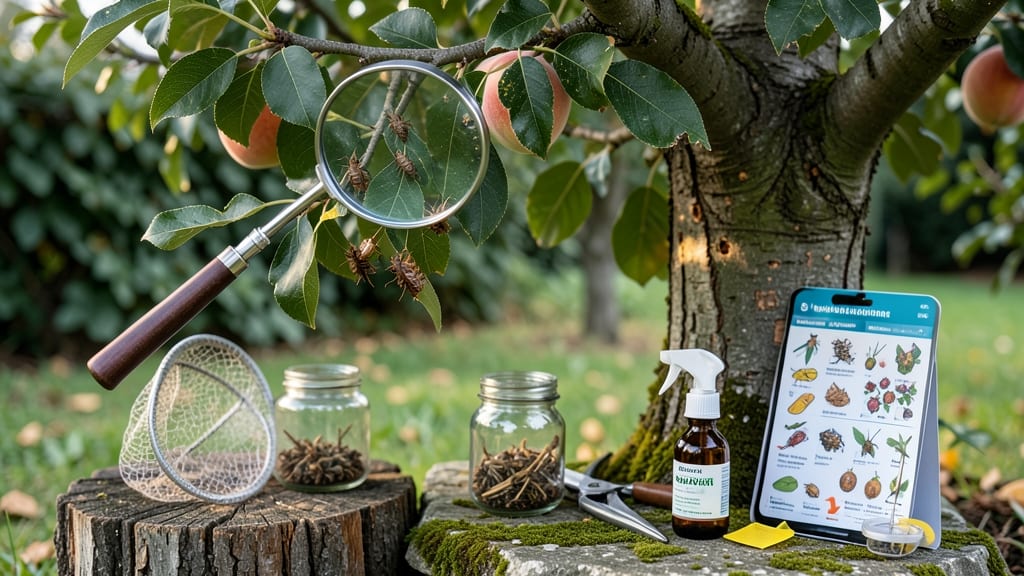
Spotting fruit tree pests identification before they ruin your harvest could save you hundreds of dollars in lost fruit—and my first peach tree taught me that lesson the hard way. 🌳 What starts as tiny specks on leaves can turn into a full-blown infestation faster than you can say "harvest season."
The key is knowing the early warning signs: curled leaves, sticky residue, or strange holes that weren't there yesterday.
I’ve spent years tracking down these invaders, and I’ve narrowed it down to the 15 most destructive pests that target fruit trees. Some leave behind webs, others chew through bark, and a few even release foul-smelling sap.
The good news? Most can be managed—or even prevented—with the right tools and a little know-how. No fancy degrees required, just a sharp eye and a willingness to act fast.
By the end of this guide, you’ll recognize the subtle differences between aphids, borers, and mites—plus how to tell if those brown spots are fungus or just bad luck.
I’ll walk you through the visual clues that separate harmless critters from full-blown threats, so you can protect your trees before the damage gets out of hand.
Whether you’re dealing with a single branch or your whole orchard, these strategies work for both backyard growers and seasoned homesteaders. Let’s get those trees back to thriving—and your fruit back to tasting like it should.
📚 In This Guide
- What you need
- Instructions
- Tips and common mistakes
- Wrapping up and next steps
What you need
- ● Hand lens (magnifying glass) – 10x magnification (for inspecting tiny details like eggs or larvae).
- ● Notebook & pen – For logging pest sightings, locations, and damage notes.
- ● Ruler or measuring tape – To document pest size (e.g., "caterpillar was 1.5 inches long").
- ● Gloves (nitrile or latex) – 1 pair (protection against sap, bites, or irritants).
- ● Spray bottle (empty, 8–16 oz) – For collecting pests or testing reactions (e.g., rubbing alcohol or soapy water).
- ● Camera or smartphone – With a macro mode for close-up pest photos (critical for ID!).
- ● Pruning shears – Bypass or anvil type (sterilized with rubbing alcohol).
- ● Plastic bags (gallon-sized, 2–3) – For sealing off infested branches or collecting specimens.
- ○ Field guide or printed ID chart – Optional but helpful: Laminated guides for quick reference (e.g., University Extension pest IDs).
- ● UV flashlight (blacklight) – Reveals hidden insect activity (e.g., aphid trails or fungal spores).
- ● Insect net (fine mesh) – For gently capturing pests without harming them.
- ● Pest ID app – Like iNaturalist or PictureThis for on-the-go verification.
- ● Pest traps (sticky or pheromone) – Pre-set traps for specific pests (e.g., codling moth).
- ● Rubbing alcohol (70% isopropyl) – Small bottle for sterilizing tools or preserving specimens.
How to spot and identify common fruit tree pests
Here's how I break down the hunt for invaders—no magnifying glass required.
🌿 Step 1: Inspect Leaves for Early Signs of Damage
Start with the undersides of leaves where pests hide. Look for tiny holes, chewed edges, or sticky residue—aphids and mites leave behind a shiny trail called honeydew. I always check the newest growth first because pests target tender leaves. Hold leaves up to the light to spot webbing (a sign of spider mites) or tiny eggs clustered along veins.
Don't overlook curled or yellowing leaves—these often signal aphid or scale infestations. Run your fingers along stems to feel for rough bumps (scale insects) or soft cottony masses (mealybugs). I keep a small flashlight handy for late afternoon checks when pests are most active.
🐛 Step 2: Examine Bark and Branches for Crawling Activity
Use a 10x magnifying glass to inspect bark crevices for tiny moving dots—these are likely borer larvae or bark beetles. Look for sawdust-like frass (borer droppings) around holes in the bark. I tap branches gently with a stick—live borers will move, while dead ones stay still.
Check for woodpecker holes in the trunk, a sure sign of internal borer damage. Run your hand along branches feeling for sticky sap or resin buildup, which often indicates bark beetle activity. Real talk: if you see more than 3-4 holes per branch, your tree needs immediate treatment.
🍎 Step 3: Check Fruit for Physical Damage and Eggs
Inspect fruit for tiny puncture marks or exit holes—these are classic signs of fruit flies or codling moth larvae. Look for brown, shriveled spots on apples or pears, which often means apple maggot activity. I cut open suspicious fruit to check for tunnels or maggots inside.
Don't forget to examine the calyx (stem end) of fruit—this is where many pests lay eggs. Use a bright light to spot tiny white egg clusters. I keep a small notebook to track which fruits show damage first, as this helps identify the specific pest attacking my trees.
⏰ Step 4: Monitor for Seasonal Pest Patterns
Note when pests appear—many have predictable life cycles. Aphids and mites typically show up in early spring, while borers become active in late summer. I check my trees every 7-10 days during peak seasons. Watch for sudden leaf drop, which often signals an infestation.
Pay attention to where pests cluster—some prefer young leaves, others target fruit, and some hide in bark crevices. I take photos of suspicious damage and compare them to reference guides. This visual record helps me track pest populations over time and determine when treatment is needed.
🔍 Step 5: Use a Simple DIY Pest Trap
Place a white sheet under trees and gently shake branches—falling pests will stand out against the light background. This works best in early morning when pests are sluggish. I also use a jar of soapy water to catch flying insects like fruit flies.
For crawling pests, wrap a section of tree trunk with sticky tape. Check it daily—captured pests will reveal what's attacking your tree. This method is especially helpful for identifying early infestations before damage becomes severe. I keep a small spray bottle of water nearby to rinse off any beneficial insects that get caught accidentally.
Tips & tricks for fruit tree pest inspections
Finding pests doesn't have to be a guessing game—these practical tips will help you spot invaders like a pro.
Lighting is Everything: Early morning or late afternoon is the best time to inspect your trees because pests are most active when temperatures are cooler. I always bring a small flashlight to shine directly under leaves—this highlights webbing from spider mites and makes tiny eggs stand out against the leaf surface. A bright LED light works better than sunlight for spotting subtle damage.
Seasonal Timing Matters: The 7-10 day monitoring schedule in Step 4 is critical, but you can optimize it further. Check your trees every 5 days during peak seasons (spring for aphids, summer for borers) to catch infestations before they spread. I keep a simple calendar on my fridge with reminders—this consistency makes all the difference in early detection.
DIY Tools That Work: You don't need expensive equipment—just a few household items. A white dinner plate works perfectly for the shaking method in Step 5 (better than a sheet for small trees). For sticky traps, cut a strip of duct tape and wrap it around branches—it's just as effective as commercial tape. I keep these tools in a small gardening caddy for quick access during inspections.
Documentation Pays Off: That notebook mentioned in Step 3 isn't just for tracking damage—it's your pest history. I record the date, location on the tree, and type of damage for each entry. After a season, you'll see patterns that reveal which pests attack your trees most frequently. This record also helps you time treatments more effectively next year.
Pro Tips for Fruit Tree Pests Identification
- Finding pests doesn't have to be a guessing game—these practical tips will help you spot invaders like a pro.
- Lighting is Everything: Early morning or late afternoon is the best time to inspect your trees because pests are most active when temperatures are cooler.
- Seasonal Timing Matters: The 7-10 day monitoring schedule in Step 4 is critical, but you can optimize it further.
Frequently asked questions
Got questions about fruit tree pests?
Here are answers to the most common concerns—from spotting signs to taking action.
How do I know if my fruit tree has pests?
Look for physical signs like chewed leaves, holes in fruit, or sticky residue (aphid honeydew). Behavioral clues include wilting branches, early leaf drop, or tiny tunnels in bark. Compare what you see to our visual guide—most pests leave distinctive marks!
When is the best time to check for pests?
Inspect your trees spring through early fall—pests are most active then. Focus on bud break (spring) and fruit ripening (summer/fall). A quick weekly scan (especially after rain) catches early infestations before they spread.
What are natural ways to control fruit tree pests?
Try these DIY solutions:
- Neem oil spray (deters soft-bodied pests like aphids)
- Beneficial insects (ladybugs, lacewings—buy online or attract with native plants)
- Prune & remove heavily infested branches in the morning (pests are sluggish then)
- Homemade soap spray (1 tsp mild soap + 1 quart water—test on a small leaf first!)
For severe cases, organic pesticides (like Bt for caterpillars) work—but always follow label instructions.
Can I still harvest fruit if pests are present?
It depends! Mild infestations (e.g., a few codling moth holes) may not ruin flavor—just wash fruit thoroughly before eating. Avoid harvesting if:
- Fruit is heavily deformed or moldy
- Pests are active on the tree (like borers or scale)
- You see toxic signs (e.g., fungal growth from sap-sucking pests)
Pro tip: Harvest early if pests threaten your crop—immature fruit is often less appealing to invaders!
Why do some pests appear suddenly?
Pests fluctuate yearly due to weather, bird activity, or last year’s infestations. Drought stress or over-fertilization can also attract them. Prevent surprises by:
- Keeping trees healthy (proper watering, mulching)
- Removing fallen fruit/debris (pest hiding spots!)
- Monitoring nearby wild trees (they’re pest reservoirs)
Think of it like a game of whack-a-mole—consistency wins!
Wrapping up and next steps
Identifying fruit tree pests doesn’t have to be overwhelming—with the right knowledge, you can protect your trees and keep them thriving! 🌳 By recognizing the visual clues and early warning signs of these 15 common invaders, you’re already taking proactive steps toward a healthier orchard.
Now that you’re equipped with this guide, the next logical step is to act quickly—whether that means removing infested branches, applying organic treatments, or consulting a local arborist for stubborn pests.
Your fruit trees are counting on you! Stay vigilant, and enjoy the sweet rewards of your hard work. 🍏🍊 Happy gardening!