
Pruning
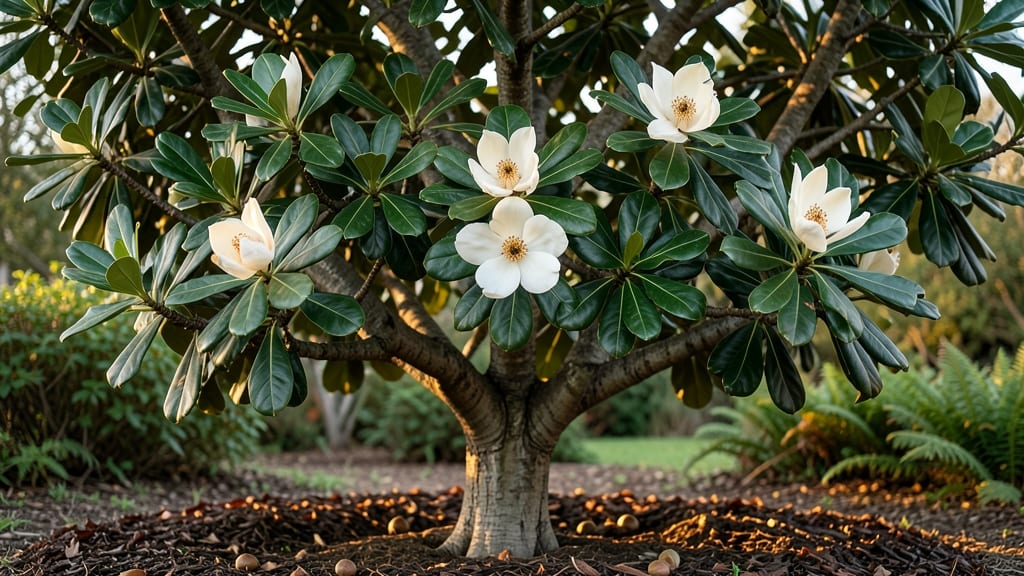
A magnolia tree’s height and width determine whether it becomes a backyard centerpiece or a space-crushing giant 🌿 — and the difference between varieties can be dramatic.
Dreaming of a stunning magnolia tree but worried it’ll overwhelm your small garden? The right variety can add elegance without sacrificing space—here’s how to choose the perfect compact magnolia for your yard.
From the towering Magnolia grandiflora (which can reach 80 feet) to dwarf varieties like 'Little Gem' (a tidy 12-15 feet), spacing and growth rates vary wildly. Below, we’ll break down how to match your garden’s size to the right tree.
You’ll also discover pruning secrets to control spread, sunlight needs for each type, and why some magnolias thrive in containers while others demand room to stretch.

How tall and wide do magnolia trees grow? Size guide by variety
Magnolia trees are stunning additions to any landscape, but their size can vary dramatically depending on the variety. From towering standard magnolias that reach 80 feet tall to compact dwarf varieties perfect for small gardens, understanding these dimensions helps you choose the right tree for your space.
Most magnolias grow 1-2 feet per year in ideal conditions, so their mature size is crucial for long-term planning.
When planning your garden, consider both the height and spread of a magnolia. Some varieties develop wide canopies that spread 20 feet or more, while others stay neatly contained.
The growth rate also varies—some reach maturity in 10 years, while others take decades. Let’s explore the most popular magnolia varieties and their expected sizes over time.
🌱 Key Tip: Always check the mature height and width before planting, as even "dwarf" magnolias can outgrow their space if not pruned properly.
If you’re working with a small garden, prioritize varieties like 'Jane' or 'Little Gem', which stay under 25 feet tall and fit neatly into tight spaces. For larger properties, the Southern Magnolia makes a bold statement with its 80-foot height and wide canopy.
Always account for the spread—some magnolias develop circular canopies that require ample side space.
Growth rates also differ: Dwarf magnolias like 'Jane' grow just 6-10 inches per year, while larger varieties like 'Black Tulip' can add 1-2 feet annually. Plan for at least 10 years of growth before your magnolia reaches maturity, especially if you’re planting near structures or other plants.
For container gardening, choose varieties like 'Star Magnolia'
Best space-saving magnolia varieties for small gardens and containers
If you love the romantic beauty of magnolias but have limited space, don’t worry—there are compact varieties perfect for small gardens and even containers. These dwarf magnolias grow under 10 feet tall while still delivering stunning blooms and lush foliage.
The key is choosing the right variety for your climate and container size, and providing proper care to maximize their potential in tight spaces.
For small gardens, I recommend focusing on slow-growing magnolias that thrive in partial shade and well-draining soil. Many of these varieties also tolerate container growing if you select the right pot size and drainage system.
Whether you have a balcony garden or a cozy backyard, these space-saving options will add year-round interest without overwhelming your layout.
My top pick for small gardens is the 'Little Gem' magnolia, a semi-dwarf variety that reaches 8-10 feet tall but stays narrow at just 4-5 feet wide. This evergreen magnolia produces fragrant white flowers in spring and maintains its shape beautifully with minimal pruning.
It’s also one of the few magnolias that tolerates urban pollution, making it ideal for city gardens.
For a dramatic look with minimal space, consider the 'Black Tulip' magnolia, which features deep purple-black flowers that contrast beautifully against its glossy green leaves.
This variety grows to 8-10 feet tall and 5-6 feet wide, making it perfect for foundation planting or as a focal point in a small yard. Just ensure it gets morning sun and afternoon shade to prevent leaf scorch.
If you’re growing magnolias in containers, the 'Jane' magnolia is an excellent choice. This semi-dwarf variety stays compact at 6-8 feet tall and 5-6 feet wide, making it ideal for large pots (at least 24 inches in diameter).
It blooms in early spring with pink-tinged white flowers and thrives in partial shade. To keep it healthy in containers, use a well-draining potting mix and water deeply when the top inch of soil feels dry.
To maximize space in your garden, always plant magnolias with their mature size in mind. Leave at least 3-5 feet of clearance around the base for airflow and future growth.
For container growing, choose a pot that’s at least 12-18 inches deeper than the root ball to accommodate the tree’s expanding roots. Regular mulching with organic material will also help retain moisture and suppress weeds in tight spaces.