
Pruning
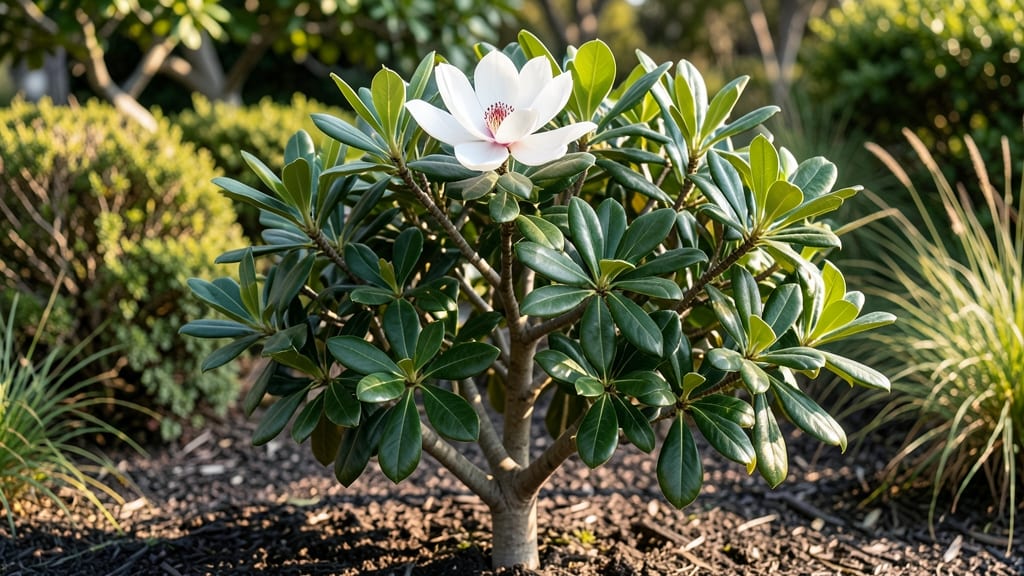
A dwarf magnolia tree height of 6–10 feet makes it the perfect choice for small yards and containers, offering big blooms in a compact package.
If you love magnolias but lack the space for towering specimens, dwarf varieties offer stunning blooms without the sprawling footprint—some stay under 8 feet while still delivering showstopping fragrance and color.
Whether you're designing a cozy front yard or a balcony garden, knowing the mature size of these trees helps you plan spacing, companion plants, and even container sizes for a polished look.
Below, I’ll break down the most popular dwarf varieties by height, share spacing tips for small spaces, and show you how to pair them with other plants for a layered, lush design.

How tall do dwarf magnolia trees grow? Height ranges by popular varieties
Choosing the right dwarf magnolia for your garden means balancing height expectations with your space. While some varieties stay under 6 feet tall, others can reach 20 feet—even in their "dwarf" classifications. Understanding these mature height ranges helps you plan spacing, companion plants, and long-term growth patterns.
The key to selecting a dwarf magnolia lies in knowing its growth rate and ultimate height. Some varieties grow just 1-2 feet per year, while others can surge 3 feet annually in ideal conditions.
Below, we compare 10 popular dwarf magnolias to help you visualize their mature sizes and spacing needs.
| Variety | Mature Height | Spread | Growth Rate | Spacing Needs | Best For |
|---|---|---|---|---|---|
| Little Gem | 15-20 ft | 8-12 ft | 2-3 ft/year | 20-25 ft from structures | Large yards, privacy screens |
| Black Tulip | 6-8 ft | 6-8 ft | 1-2 ft/year | 10-12 ft from walls | Small yards, containers |
| Teddy Bear | 6-8 ft | 5-7 ft | 1 ft/year | 8-10 ft spacing | Foundation plantings |
| Jane | 8-10 ft | 6-8 ft | 1.5-2 ft/year | 12-15 ft spacing | Medium yards, focal points |
| Ann | 10-12 ft | 8-10 ft | 2 ft/year | 15-20 ft spacing | Backyard corners |
| Brickell | 10-12 ft | 8-10 ft | 1.5 ft/year | 12-15 ft spacing | Urban landscapes |
| Kim | 12-15 ft | 10-12 ft | 2 ft/year | 15-20 ft spacing | Large patios, entryways |
| Victoria | 10-12 ft | 6-8 ft | 1.5 ft/year | 12-15 ft spacing | Small gardens, containers |
| St. Mary | 6-8 ft | 5-7 ft | 1 ft/year | 8-10 ft spacing | Foundation plantings |
| Lilipilly | 8-10 ft | 6-8 ft | 1.5 ft/year | 10-12 ft spacing | Small yards, balconies |
When planning your garden layout, remember that mature height isn't the only factor. The spread of a magnolia—often equal to or wider than its height—dictates how close you can plant it to homes, fences, or pathways.
For example, a Black Tulip with a 6-8 ft spread needs at least 10 feet from walls to avoid root competition.
For small yards or containers, prioritize varieties like Teddy Bear or St. Mary, which stay under 8 feet tall and grow slowly. These make excellent foundation plants or patio specimens when paired with dwarf azaleas or boxwoods.
Always check the growth rate—some "dwarf" magnolias can outgrow their space if planted too close to structures.
In USDA Zones 6-9, most dwarf magnolias thrive with partial shade and well-draining soil. However, their height potential varies by climate. In warmer zones (8-9), growth rates accelerate, while cooler zones (6-7) may see slower development. Always factor in your local microclimate when selecting a variety.
Pro tip: If you love fragrant blooms but limited space, consider container-growing varieties like Victoria or Lilipilly. These can be pruned aggressively to stay under 6 feet tall while still producing showy flowers in spring.
Just ensure your container is at least 18 inches wide and has drainage holes.
For urban gardens, where space is premium, Brickell magnolias offer a compact option with dark purple blooms. Their 10-12 ft mature height
Best dwarf magnolias for small spaces: height, care, and blooming seasons
If you're dreaming of magnolia blooms but have limited space, dwarf varieties are the perfect solution. These compact trees bring the same stunning fragrance and color without overwhelming your landscape.
With mature heights ranging from 6 to 10 feet, they fit beautifully in small yards, containers, or even as focal points near patios.
Choosing the right dwarf magnolia means balancing height constraints, seasonal blooms, and care requirements. Some varieties like 'Teddy Bear' stay under 8 feet, while others like 'Jane' reach up to 10 feet.
Each offers unique bloom times—some flower in early spring, others in late winter—so you can create a garden with year-round interest.
Dwarf Magnolia Height & Care Ratings
Let's start with 'Teddy Bear', a 6-8 foot magnolia that's as charming as its name suggests. This variety blooms in late winter to early spring with pink flowers that smell like heaven. It thrives in partial shade and requires minimal pruning—just remove dead branches to maintain its compact shape.
For those who want a slightly taller option, 'Jane' reaches 8-10 feet but still fits in small spaces. Its white, cup-shaped blooms appear in early spring and create a stunning contrast against dark green foliage. This variety is particularly drought-tolerant, making it ideal for low-maintenance gardens.
If you prefer purple blooms, 'Ann' is a fantastic choice, though it grows slightly taller at 10-12 feet. Its fragrant flowers bloom in mid-spring, and it handles urban pollution better than most magnolias. Plant it near a south-facing wall to maximize its compact growth habit.
All dwarf magnolias share similar care needs: well-draining soil, regular watering (especially in the first year), and mulch around the base to retain moisture. Avoid over-fertilizing, as these trees prefer nutrient-rich but not overly fertile soil.
With the right placement, your dwarf magnolia will reward you with decades of stunning blooms in even the smallest garden.