
Pruning
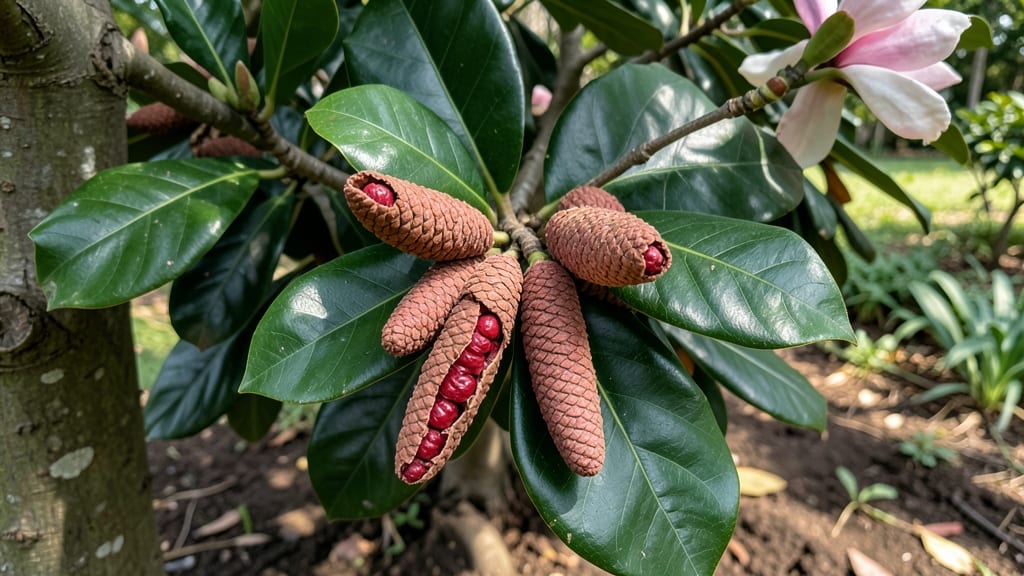
Those striking red magnolia berries aren't just ornamental—they're nature's way of growing new trees. 🌿 Understanding their role in the plant's lifecycle helps you decide whether to preserve them for propagation or simply admire their winter beauty in your garden.
Magnolia berries form after pollination, maturing from green to vibrant red or pink by late fall. Each berry contains one seed, and birds often disperse them—but you can collect them for planting if you're patient. The process requires stratification (cold treatment) to break seed dormancy, which mimics natural winter conditions.
If you plant magnolia seeds, expect germination in 3-6 months, but saplings grow slowly. For faster results, consider grafting or buying young trees. Either way, those berries add color and potential to your landscape, whether you use them or not.
Common questions about magnolia berries include whether they're edible (they're not for humans) and how to encourage more berries (proper pollination and care). The key is balancing their ornamental value with your propagation goals—both can coexist in a well-maintained magnolia tree.
📚 In This Guide
- What you need
- Instructions
- Tips and common mistakes
- Wrapping up and next steps
What you need
- ● Harvesting Tools: Pruning shears or loppers (for cutting branches with berries) – 1 pair
- ● Gloves (gardening or work gloves) – 1 pair (to protect hands from thorns and sap)
- ● Large bucket or basket (with holes for drainage) – 1-2 (for collecting berries)
- ● Newspaper or cardboard – 1-2 sheets (to line the basket and prevent berries from bruising)
- ● Processing Supplies: Clean, sharp knife or paring knife – 1 (for trimming stems)
- ● Colander or fine-mesh strainer – 1 (for rinsing berries)
- ● Baking sheet or clean towel – 1 (for drying berries)
- ● Air-tight containers (glass jars or food-grade plastic) – 2-4 (for storage; quart-sized recommended)
- ● Preservation Options: For Drying: Dehydrator or oven (set to 170°F (77°C)) – 1
- ● For Freezing: Freezer-safe bags or containers – 2-3
- ● For Syrup/Jam: Sugar (granulated or powdered), lemon juice (for preservation), and a saucepan – as needed
- ● Ladder or sturdy step stool – 1 (for reaching high branches safely)
- ● Spray bottle with water – 1 (to mist berries while drying)
- ● Food processor or blender – 1 (for making jam or puree)
- ● Labels and marker – 1 pack (to date and identify stored berries)
- ● Safety goggles – 1 pair (if working with dusty or allergenic plants)
Step-by-Step guide for harvesting and preserving magnolia tree berries
Here's how I transform those striking red berries into long-lasting preserves—simple, rewarding, and perfect for gourmet touches.
🌿 Step 1: Identify and Harvest Ripe Magnolia Berries
Magnolia tree berries ripen in late fall or winter, turning a vibrant crimson red when ready. Look for berries that are firm but slightly soft to the touch—overripe ones will squish easily. I gather them using clean, sharp pruning shears, cutting the stems just above the berry cluster to preserve the natural attachment.
Wear gloves if you're sensitive to sap or have allergies—magnolia sap can irritate skin. Collect berries on a dry day after morning dew has evaporated to prevent mold. Place them in a paper bag (not plastic) to allow airflow while transporting home. This prevents condensation buildup, which can cause premature spoilage.
🌱 Step 2: Clean and Prepare the Berries
Rinse the berries under cool running water to remove dirt and debris, then pat them dry with a clean kitchen towel or paper towels. Avoid soaking them, as excess moisture speeds up fermentation. I spread them on a clean baking sheet lined with a paper towel to air-dry completely before processing—this ensures a longer shelf life for your preserves.
Remove any berries that are shriveled, moldy, or damaged. A quick visual inspection catches most issues, but give them a gentle squeeze to test for soft spots. Discard any berries that feel mushy or leak liquid—these won’t store well and can ruin the batch.
💧 Step 3: Choose Your Preservation Method
For a classic approach, I recommend making magnolia berry jelly or syrup. Start by simmering the berries in equal parts water and sugar (about 1 cup berries to 1 cup sugar) until the mixture thickens. Strain out the seeds and skins through a fine-mesh sieve, then return the liquid to the pot for further reduction. This creates a glossy, vibrant preserve perfect for drizzling over desserts or pairing with cheese.
Alternatively, you can dry the berries for use in teas or as decorative garnishes. String them on twine or spread them on a dehydrator tray at 135°F for 6-8 hours, stirring occasionally. The dried berries will keep for months in an airtight container stored in a cool, dark place.
✂️ Step 4: Store Preserved Berries Properly
If you’ve made jelly or syrup, transfer it to sterilized jars while still hot. Seal the jars tightly and let them cool completely before refrigerating. Properly stored, magnolia berry preserves will last up to 6 months in the fridge or 1 year in the freezer. Label each jar with the date to track freshness.
For dried berries, store them in an airtight container with a silica gel packet to absorb moisture. Keep them in a cool, dark pantry away from direct sunlight. Dried magnolia berries retain their flavor for up to 1 year, making them a versatile addition to holiday decorations or herbal blends.
⏰ Step 5: Use or Gift Your Preserves
Magnolia berry jelly pairs beautifully with goat cheese, yogurt, or toasted brioche. I also love adding it to cocktails or using it as a glaze for roasted meats. For a festive touch, string dried berries into garlands or scatter them on holiday tables—their striking color adds a natural elegance to any setting.
If you’ve made more than you can use, consider gifting jars to friends or neighbors. A handmade preserve is a thoughtful and unique gift that showcases your gardening skills. Just be sure to include a note about storage instructions to ensure it stays fresh for as long as possible.
Tips & tricks for perfect magnolia berry preserves
Transforming wild magnolia berries into preserves is an art that rewards patience and attention to detail—here's how to elevate every step from harvest to shelf.
Harvesting Precision: When harvesting in Step 1, focus on berries that are uniformly crimson with just a hint of softness—these yield the sweetest flavor. I've learned the hard way that green-tinged berries lack full flavor development, while overly mushy ones release excess liquid that can ruin your preserves. Use a small basket with holes for airflow rather than plastic containers to prevent crushing.
Drying Strategy: For the dehydrator method in Step 3, arrange berries in a single layer on trays with no overlapping. At 135°F, they need that full 6-8 hour window to dry completely—any less time risks leaving them chewy rather than crisp. I prop the dehydrator door slightly open during the last hour to help evaporate trapped moisture. This creates berries that crumble beautifully for teas or decorations.
Sugar Balance: In Step 3's jelly method, the 1:1 ratio of berries to sugar is your baseline, but don't be afraid to adjust slightly. If your berries are particularly tart (common in cooler climates), increase sugar by 10% to balance acidity. I stir the mixture every 15 minutes during the initial 30 minutes of simmering to prevent sugar crystallization on the bottom.
Storage Secrets: When storing preserves in Step 4, I always leave a ½-inch headspace in jars before sealing—this prevents seals from failing when liquids expand during freezing. For the freezer method, portion jelly into ice cube trays before transferring to bags. This makes it easy to thaw just what you need without dealing with large thawed batches.
Pro Tips for Magnolia Tree Berries
- Transforming wild magnolia berries into preserves is an art that rewards patience and attention to detail—here's how to elevate every step from harvest to shelf.
- Harvesting Precision: When harvesting in Step 1, focus on berries that are uniformly crimson with just a hint of softness—these yield the sweetest flavor.
- Drying Strategy: For the dehydrator method in Step 3, arrange berries in a single layer on trays with no overlapping.
Frequently asked questions
Got questions about magnolia tree berries?
Whether you're a forager, gardener, or chef, these answers will help you navigate harvesting, safety, and creative uses. Let’s dive in!
Are magnolia tree berries safe to eat?
Most magnolia berries are not safe for humans—they’re often toxic due to cyanogenic glycosides. However, Southern magnolia (Magnolia grandiflora) berries are edible when fully ripe (deep purple/red) and cooked. Always identify the species and consult a local expert before consuming. Pets should avoid them too!
When is the best time to harvest magnolia berries?
Harvest berries in late fall to winter (November–January) when they’re fully colored and slightly soft to the touch. Avoid green or unripe berries—they’re bitter and may cause stomach upset. A gentle squeeze should release a few seeds; if they’re mushy, they’re overripe.
Can I substitute magnolia berries in recipes?
Yes! If you can’t find fresh magnolia berries, try these alternatives:
- Dried apricots or prunes (for sweetness and texture in jams).
- Blackberries or elderberries (for a tart, jam-like consistency).
- Store-bought magnolia extract (for flavor in desserts, but lacks the fruit’s texture).
What do I do if I accidentally eat unripe magnolia berries?
Unripe berries can cause nausea, vomiting, or dizziness. If symptoms occur:
- Drink plenty of water to flush toxins.
- Avoid caffeine/alcohol.
- Seek medical help if symptoms worsen (e.g., difficulty breathing).
How do I preserve magnolia berries for later use?
Preserve ripe berries by:
- Freezing: Rinse, dry, and freeze whole or mashed (lasts 6–12 months).
- Drying: Slice thinly and dehydrate at 135°F (57°C) for 6–8 hours.
- Jamming: Cook with sugar and citrus (like lemon) to balance flavors.
Wrapping up and next steps
Harvesting and preserving magnolia tree berries is a rewarding way to connect with nature and enjoy their unique flavors year-round! Whether you’re making jams, teas, or decorative crafts, these vibrant berries offer a blend of beauty and utility.
Start small—try a batch of magnolia berry jam or experiment with drying them for a rustic touch—and let your creativity grow.
Ready to dive in? Grab your gloves, gather your supplies, and head outdoors—your magnolia tree is waiting! 🌿✨