
Pruning
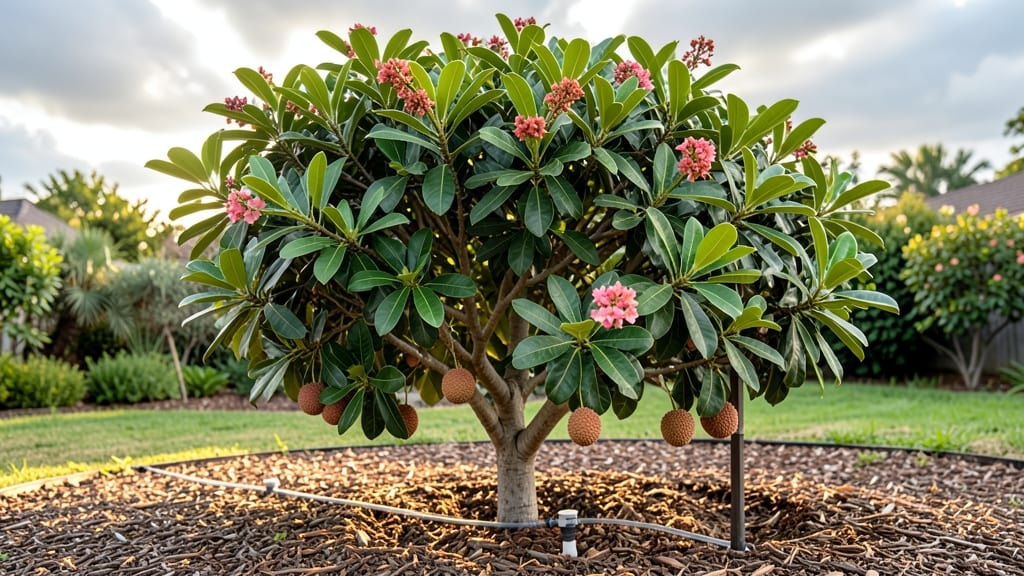
Lychee tree cultivation starts with patience and the right conditions—because that first sweet, fragrant harvest after three years makes every effort worth it. 🌱 I’ve grown mine in subtropical zones where winters stay above 30°F, and the secret isn’t just the climate but the way you prune to encourage flowering.
Most people rush the process, but lychees need time to establish strong roots before they’ll produce fruit.
The key is mimicking their natural tropical environment: well-draining soil, full sun, and consistent moisture without soggy roots.
I use a mix of sand and compost to keep the soil airy, and I’ve found that container-grown trees (even indoors near a bright window) can thrive if you monitor humidity—lychees hate dry air.
The first year is all about root growth, so hold off on heavy pruning until you see new shoots.
By year three, you’ll start seeing those signature pink flower clusters if you’ve pruned correctly—thinning out crowded branches and removing dead wood in late winter.
The fruit itself is delicate, so I harvest by hand when the skin turns from green to a deep red, and the aroma fills the air. One tree can yield hundreds of lychees if cared for properly, but it takes discipline to wait for that payoff.
Whether you’re growing outdoors in Florida or indoors under grow lights, the principles stay the same: light, warmth, and time. The biggest mistake? Overwatering or pruning too aggressively too soon. Stick with the routine, and you’ll be peeling your first lychee before you know it.
📚 In This Guide
- What you need
- Instructions
- Tips and common mistakes
- Wrapping up and next steps
What you need
- ● Lychee Plant: 1-2 grafted lychee saplings (faster fruiting, 2-3 years old) OR 5-10 lychee seeds (slower, 5+ years to fruit)
- ● Recommended varieties: Bengal, Kwai Mi, or Salathiel (climate-dependent)
- ● Soil & Growing Medium: 10-15 gallons of well-draining, slightly acidic soil (pH 5.0–6.5)
- ● 5 lbs peat moss or coconut coir (for moisture retention)
- ● 5 lbs perlite or coarse sand (for aeration)
- ● 2 lbs compost or aged manure (organic nutrients)
- ● Container or Planting Site: Pots: 2–3 large containers (15–20 gallons each) with drainage holes OR
- ● Outdoor site: Full sun (6+ hours/day), sheltered from wind, and frost-free
- ● Fertilizers: 1 lb balanced fertilizer (10-10-10 or 8-3-9) for initial planting
- ● 1 lb citrus-specific fertilizer (high in zinc/manganese) for ongoing care
- ● Pruning Tools: 1 sharp bypass pruners (for clean cuts)
- ● 1 hand saw (for thicker branches)
- ● 1 disinfectant (rubbing alcohol or bleach solution)
- ● Watering & Protection: 1 hose with adjustable nozzle or drip irrigation system
- ● 5–10 mulch chips (pine bark or straw) to retain moisture
- ● 1 shade cloth (30–50% coverage) for young trees in hot climates
- ● 1 soil pH tester (to monitor acidity levels)
- ● 1 humidity tray (for container-grown trees)
- ● 1 tree support stake (for young saplings in windy areas)
- ● 1 fruit thinners (to manage overproduction in later years)
Step-by-step guide for cultivating a lychee tree
Here's how I grow a productive lychee tree in containers—no tropical climate required.
🌱 Step 1: Select and Prepare the Right Container
Choose a 5-gallon or larger container with drainage holes—lychee roots need room to spread. I use unglazed clay pots because they breathe better than plastic. Fill the bottom 2 inches deep with gravel or broken pottery to prevent soil compaction and improve drainage.
Lychees thrive in well-draining, slightly acidic soil (pH 5.5-6.5). Mix equal parts potting soil, perlite, and coconut coir to create the ideal texture. Avoid garden soil—it compacts too easily and holds too much moisture. Tap the pot gently after filling to settle the mix without packing it down.
☀️ Step 2: Plant and Position for Maximum Sunlight
Dig a hole in the center of the pot twice as wide as the root ball but no deeper. Place your lychee sapling (or grafted tree) so the root flare sits just above soil level—burying it too deep causes rot. Gently firm the soil around the roots, pressing lightly to remove air pockets.
Lychees need full sun (8+ hours daily). If you're in a cooler climate, start with morning sun only and gradually introduce afternoon light over a week to avoid leaf scorch. I place mine on a south-facing patio where it gets direct sun from 10 AM to 4 PM. Watch for leaves curling—this means it's getting too hot and needs afternoon shade.
💧 Step 3: Water and Fertilize for Healthy Growth
Water deeply every 3-4 days until water runs out the drainage holes—lychees hate soggy roots. After the first week, let the top 2 inches of soil dry out before watering again. Overwatering is the #1 killer of young lychee trees. I check moisture by sticking my finger in the soil; if it feels damp past 1 inch deep, I wait another day.
Feed with a balanced 10-10-10 fertilizer every 4 weeks during spring and summer. In fall and winter, switch to a low-nitrogen, high-potassium fertilizer (like 5-10-15) to encourage flowering. I always water thoroughly after fertilizing to prevent root burn. You'll see new growth within 2-3 weeks—that's your sign the tree is thriving.
✂️ Step 4: Prune for Shape and Fruit Production
Prune once in late winter (before buds swell) to remove dead, crossing, or inward-growing branches. Use clean, sharp pruners to make cuts just above a leaf node. I shape mine like an open vase—this allows sunlight to reach the center where fruit develops. Never remove more than 25% of the canopy in one pruning session.
After flowering (usually spring in warmer climates), thin fruit clusters to 3-5 lychees per branch. Overloaded branches break under the weight. You'll know you've done it right when the remaining fruit swells evenly. Prune again in early summer to remove any suckers (shoots growing from the base) and water sprouts (fast-growing vertical shoots)—these drain energy from fruit production.
⏰ Step 5: Prepare for First Harvest in 3 Years
Lychees take 2-3 years to bear fruit, but you can speed things up by hand-pollinating flowers with a small brush. Choose mature trees (5+ years old) for best results, but even young trees can produce a few fruit if given proper care. Harvest when the skin turns pinkish-red and the fruit gives slightly when gently squeezed.
Here's the thing—lychees need consistent warmth to set fruit. If your tree isn't flowering after 2 years, it might be too cold. Move it to a sunroom, greenhouse, or under a heat lamp during winter. You'll know it's ready when you see white blossoms—that's when the magic happens. Patience pays off; a well-cared-for lychee can live for decades and produce fruit year after year.
Tips & tricks for cultivating a thriving lychee tree
These practical insights will help you avoid common pitfalls and maximize your lychee tree's potential—no tropical climate required.
Container Selection: Unglazed clay pots aren't just my preference—they're essential for lychee roots. The porous material allows excess moisture to evaporate, preventing the root rot that's the silent killer of container-grown lychees. If you must use plastic, add extra drainage holes (at least 4 around the sides) and elevate the pot on feet to improve airflow. The 5-gallon minimum size is non-negotiable; lychee roots spread aggressively, and cramped conditions stunt growth. I've seen trees in 3-gallon pots survive, but they never fruit well.
Soil Mix Secrets: That equal parts potting soil, perlite, and coconut coir mix isn't just arbitrary—it's about aeration and acidity. The coconut coir maintains the crucial pH 5.5-6.5 range while preventing compaction. Here's what I do differently: I add a handful of sulfur granules to the mix (about 1 teaspoon per gallon of soil) to boost acidity. Test your soil annually with a pH meter—lychees get finicky as they age, and pH can drift over time. If your soil feels too dense after mixing, add an extra 10% perlite for better drainage.
Sunlight Strategy: The 8+ hours of full sun requirement is absolute, but how you introduce it matters. I start my trees with morning sun only for the first week, then gradually add afternoon exposure over 7 days. Watch for leaves that look like they've been singed—this means you've gone too fast. In hot climates, provide afternoon shade during peak summer months (1 PM to 4 PM). A simple white shade cloth works wonders. Pro tip: Rotate your pot 90 degrees every few weeks to ensure even sunlight exposure all around the tree.
Winter Survival: That mention of sunrooms or heat lamps isn't just for show—lychees need consistent warmth to set fruit. If your winters dip below 50°F, consider moving your tree to an unheated garage with a heat lamp (set to 60°F) during the coldest months. The key is maintaining temperatures above 55°F at all times—below that, flower buds won't develop properly. I've had success with ceramic heat emitters placed near the tree; they provide radiant heat without drying out the air like fans do.
Pro Tips for Lychee Tree Cultivation
- These practical insights will help you avoid common pitfalls and maximize your lychee tree's potential—no tropical climate required.
- Container Selection: Unglazed clay pots aren't just my preference—they're essential for lychee roots.
- Soil Mix Secrets: That equal parts potting soil, perlite, and coconut coir mix isn't just arbitrary—it's about aeration and acidity.
Frequently asked questions
Got questions about growing your own lychee tree? Here are some of the most common ones—plus expert answers to help you cultivate success!
How long does it take for a lychee tree to bear fruit?
A lychee tree typically takes 3–5 years to bear fruit from seed, but grafted trees can produce fruit in as little as 2–3 years with proper care. Patience is key—focus on well-draining soil, consistent watering, and pruning to encourage faster growth.
What’s the best climate for growing lychee trees?
Lychees thrive in tropical or subtropical climates with warm temperatures (70–85°F), high humidity, and no frost. They need 6–8 months of dry weather for flowering but can be grown in containers in cooler zones if brought indoors during winter. Zone 10+ is ideal!
How often should I prune a lychee tree?
Prune your lychee tree once or twice a year—lightly in late winter (to shape and remove dead branches) and more heavily in early spring (to encourage fruit production). Avoid heavy pruning during fruiting season. Always use sterilized tools to prevent disease.
What pests or diseases should I watch for?
Common issues include lychee fruit borers, aphids, and fungal diseases like anthracnose. Monitor leaves for holes or discoloration and treat with neem oil or insecticidal soap. Ensure good airflow and avoid overhead watering to reduce fungal risks.
Can I grow a lychee tree in a pot?
Yes! Lychee trees can thrive in large containers (15+ gallons) with well-draining soil. Use a mix of potting soil and perlite, and ensure the pot has drainage holes. Move it indoors or to a sheltered spot if temperatures drop below 50°F. Just be ready to repot every 2–3 years as the tree grows.
Wrapping up and next steps
Growing a lychee tree from scratch is a rewarding journey that blends patience, care, and a touch of tropical magic! 🌿 With the right pruning techniques, soil conditions, and climate, you can enjoy your first harvest in just three years.
Remember, every expert gardener started with a single seed—your lychee tree is no exception!
Ready to take the next step? Start by observing your young tree and applying the pruning tips you’ve learned. Track its growth, adjust care as needed, and soon, you’ll be savoring the sweet, fragrant fruit of your labor. Happy cultivating! 🌱