
Pruning
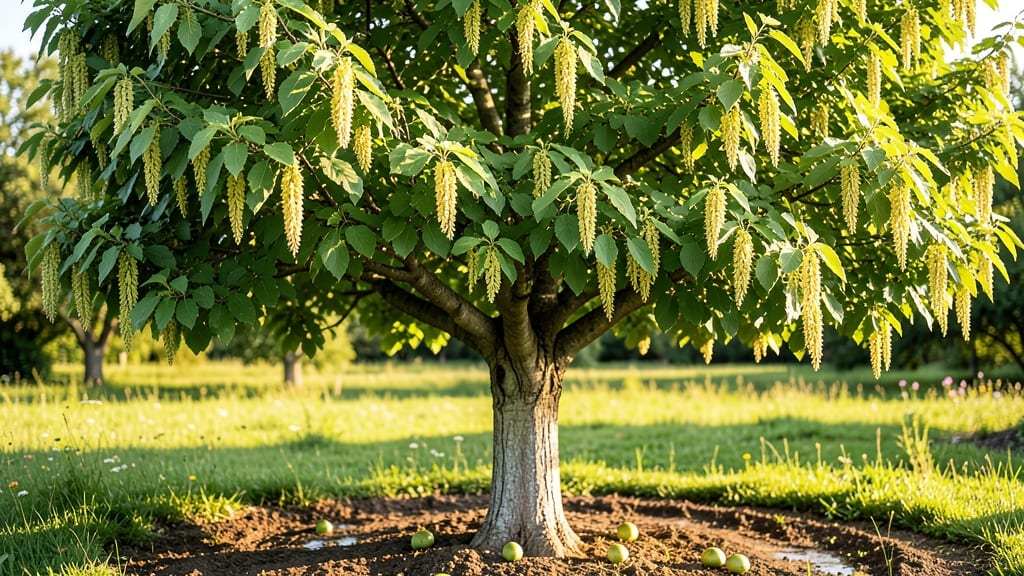
Your large lime tree needs pruning before it becomes a jungle canopy. ✂️ I’ve wrestled with unruly Persian and Bearss lime trees for years, and the right cuts transform them from wild vines into structured, fruit-bearing giants that actually fit in your yard.
Start with basic tools—a sharp bypass pruner, loppers for thicker branches, and a sturdy ladder. The goal is to open the canopy to sunlight and air, which means removing crossing branches, dead wood, and suckers growing from the base.
Prune in late winter or early spring before new growth begins—this gives the tree time to heal before summer heat sets in.
You’ll see the difference in just one season: more sunlight reaches the inner branches, fruit production doubles, and the tree’s shape becomes manageable. The key is patience—don’t over-prune in a single session, or you’ll shock the tree. Think of it like sculpting: small, deliberate cuts over time.
Works for both dwarf and standard varieties, though larger trees may need a helper (or a very tall ladder). Here’s how to do it without turning your citrus grove into a tangled mess.
📚 In This Guide
- What you need
- Instructions
- Tips and common mistakes
- Wrapping up and next steps
What you need
- ● Pruning shears: Sharp, bypass-style shears (for cuts up to ½ inch thick). Quantity: 1 pair.
- ● Loppers: Heavy-duty, long-handled loppers (for cuts up to 2 inches thick). Quantity: 1 pair.
- ● Pruning saw: Curved-tooth saw for larger branches (2+ inches thick). Quantity: 1.
- ● Ladder or extension pole: Sturdy, aluminum or fiberglass ladder (16+ feet tall) or a pruning pole with a saw attachment for high branches. Quantity: 1.
- ● Gloves: Heavy-duty, cut-resistant gloves (e.g., leather or synthetic blend). Quantity: 1 pair.
- ● Disinfectant: 70% isopropyl alcohol or a pruning sealant (e.g., Tanglefoot) to sterilize tools and wounds. Quantity: Small bottle.
- ● Heavy-duty trash bags: Contractor-grade bags (20+ gallon) for debris. Quantity: 2-3 bags.
- ● Safety gear: Safety glasses or goggles (ANSI-rated).
- ● Long sleeves and pants (wear lightweight, breathable fabrics).
- ● Closed-toe shoes or sturdy work boots.
- ● Pole pruner: For hard-to-reach branches without a ladder. Quantity: 1.
- ○ Tree wound dressing: Optional (e.g., Tanglefoot Tree Wound Pruning Seal) for large cuts. Quantity: Small tube.
- ● Work belt or pouch: To carry tools and supplies hands-free. Quantity: 1.
- ● Spray bottle with water: To clean tools mid-pruning and keep cuts moist. Quantity: 1.
- ● Notebook or app: To sketch your tree’s structure before pruning (e.g., iNaturalist or a simple notebook).
Step-by-Step guide to pruning a towering lime tree
Here's how I tame unruly growth while keeping your tree healthy and productive.
✂️ Step 1: Assess the Tree and Gather Tools
Start by examining your lime tree's canopy from multiple angles—look for branches that cross, grow inward, or rub against each other. These are your first targets. I also scan for dead, diseased, or broken limbs that need immediate removal. Gather your tools: a sharp pruning saw for thick branches, bypass pruners for medium-sized limbs, and hand pruners for smaller growth. Wear gloves to protect your hands from thorns and sap.
Check the weather forecast—prune on a dry, overcast day or in early morning when the tree is hydrated but not sweating from heat. Avoid pruning when rain is expected within 24 hours, as wet conditions can introduce fungal infections to fresh cuts. This is the moment that matters: proper timing prevents stress and disease.
✂️ Step 2: Remove Dead or Damaged Branches First
Begin with the easiest cuts: any branches that are dead, diseased, or broken beyond saving. Make clean cuts just outside the branch collar—the swollen area where the branch meets the trunk. This ensures the tree can seal the wound properly and prevents decay from entering the trunk. If a branch is diseased, sterilize your tools with rubbing alcohol between cuts to avoid spreading pathogens.
Don't skip this step, even if it seems minor. A single dead branch can harbor pests or diseases that spread to healthy wood. You'll notice the tree's overall health improve immediately after removing these problem branches—new growth will look stronger and more vibrant within weeks.
✂️ Step 3: Thin the Canopy for Better Airflow
Now focus on thinning the canopy to improve airflow and sunlight penetration. Remove branches that cross or grow inward, starting with the smaller ones first. Aim to open up the center of the tree by 20-30%—this reduces humidity inside the canopy and prevents fungal issues. I like to step back every few cuts to visualize the tree's shape and ensure I'm not over-thinning.
When thinning, cut back to a lateral branch or bud that grows outward from the trunk. Avoid leaving stubs—always make clean cuts just above a leaf node or bud. Here's the thing: thinning encourages the tree to produce more fruit by reducing competition for resources. You'll see an increase in lime production within a season or two.
✂️ Step 4: Shape the Tree for Balance and Structure
Next, shape the tree by selectively pruning branches to create a balanced, open structure. Focus on maintaining the tree's natural shape while removing any growth that disrupts airflow or blocks sunlight. For a large lime tree, I typically aim for a rounded canopy with a slightly taller center—this mimics the tree's natural growth habit and makes harvesting easier.
Use your pruners to trim back overgrown branches by 1/3 of their length to encourage bushier growth. Avoid cutting into old wood unless absolutely necessary—lime trees respond best to pruning of new growth. Real talk: if you're unsure about a cut, err on the side of caution and leave the branch. You can always prune more next year.
🌿 Step 5: Clean Up and Monitor Recovery
After pruning, remove all debris from the ground beneath the tree to prevent pests and diseases from taking hold. Sterilize your tools again with rubbing alcohol or a bleach solution to avoid cross-contamination. Apply a wound dressing only if the cuts are large—small cuts don't need it, as the tree will seal them naturally.
Water the tree deeply after pruning to help it recover. Monitor the tree closely for the first few weeks, watching for signs of stress like wilting leaves or oozing sap. If you notice any issues, adjust your care routine—lime trees are resilient, but they need time to bounce back after major pruning. You'll love how the tree looks once it fills back in with new, healthy growth.
Tips & tricks for pruning towering lime trees
Pruning a towering lime tree can feel intimidating, but these practical tips will help you tackle the job with confidence—without harming your tree.
Timing is Everything: The 24-hour weather window mentioned in Step 1 is non-negotiable for preventing fungal infections. If you must prune during a forecasted rain, do it in the morning and finish by midday to allow cuts to dry before evening moisture sets in. I've seen too many pruning mistakes caused by ignoring this simple rule—wet cuts invite trouble.
Tool Precision Matters: For Step 2, when removing dead branches, the branch collar is your best friend. If you're unsure where it is, look for that swollen ridge where the branch meets the trunk—it's the tree's natural healing zone. Using a sharp pruning saw or bypass pruners makes clean cuts that heal faster. Dull tools tear wood, creating larger wounds that take longer to seal.
Visualize Your Cuts: In Step 3, when thinning the canopy by 20-30%, step back every few branches to visualize the tree's shape. Imagine sunlight streaming through the center—this is your goal. I like to use a string line or even a friend's help to check for symmetry. Removing branches that grow inward creates space for new growth and prevents future rubbing that can damage bark.
Recovery Care: After pruning, the deep watering in Step 5 is crucial, but don't overdo it. Lime trees hate soggy roots, so water until the soil is moist 6 inches down, then let it drain. Monitor for stress signs like yellowing leaves—this is normal for a few weeks, but if it persists beyond that, your tree might need extra care like a balanced citrus fertilizer.
Pro Tips for Lime Tree Large
- Pruning a towering lime tree can feel intimidating, but these practical tips will help you tackle the job with confidence—without harming your tree.
- Timing is Everything: The 24-hour weather window mentioned in Step 1 is non-negotiable for preventing fungal infections.
- Tool Precision Matters: For Step 2, when removing dead branches, the branch collar is your best friend.
Frequently asked questions
Got questions about managing your towering lime tree large? You’re not alone! Pruning a mature lime tree can feel overwhelming, but these answers will help you navigate the process with confidence. Here’s what you need to know:
When is the best time to prune a large lime tree?
The ideal time is late winter or early spring (just before new growth starts). Avoid pruning in fall or summer—this can stress the tree or invite pests. For tropical lime varieties, prune lightly after harvest to maintain shape without disrupting fruit production.
How much can I trim without harming my lime tree?
Never remove more than 25% of the canopy in a single session. Over-pruning weakens the tree, reduces fruit yield, and invites disease. Focus on thinning out dense branches and opening the center for airflow. For large trees, spread pruning over 2–3 years if needed.
What if my lime tree has dead or diseased branches?
Remove them immediately—even outside the main pruning window. Use sterilized tools to cut 6–12 inches below the affected area (healthy wood). Bag and dispose of infected branches to prevent spreading. If disease persists, consult a local arborist for treatment options.
Can I prune a lime tree in full sun or shade?
Prune in morning sunlight to reduce stress and allow wounds to dry quickly. Avoid pruning on hot afternoons or during rainy periods, as this can slow healing. If your tree is in heavy shade, prune lightly to encourage airflow and prevent fungal issues.
Are there alternatives to traditional pruning for large lime trees?
Yes! Consider crown thinning (selective branch removal) or pollarding (hard pruning to encourage new growth) for dramatic size control. For non-fruit-bearing trees, escalator pruning (gradual height reduction) works well. Always research the method for your specific lime variety first.
Wrapping up and next steps
Pruning a large lime tree might seem daunting, but with the right tools, timing, and techniques, you can keep its towering canopy in check while promoting healthier growth. Remember, patience and precision are key—always prioritize safety and gradual progress. 🌿
Now that you’re armed with knowledge, grab your pruners and get ready to transform your lime tree into a well-shaped, productive beauty. Start small, observe your tree’s response, and adjust as needed. Happy pruning!
- Next step: Schedule your first pruning session during the dormant season (late winter or early spring).
- Pro tip: Take before-and-after photos to track your progress!