
Pruning
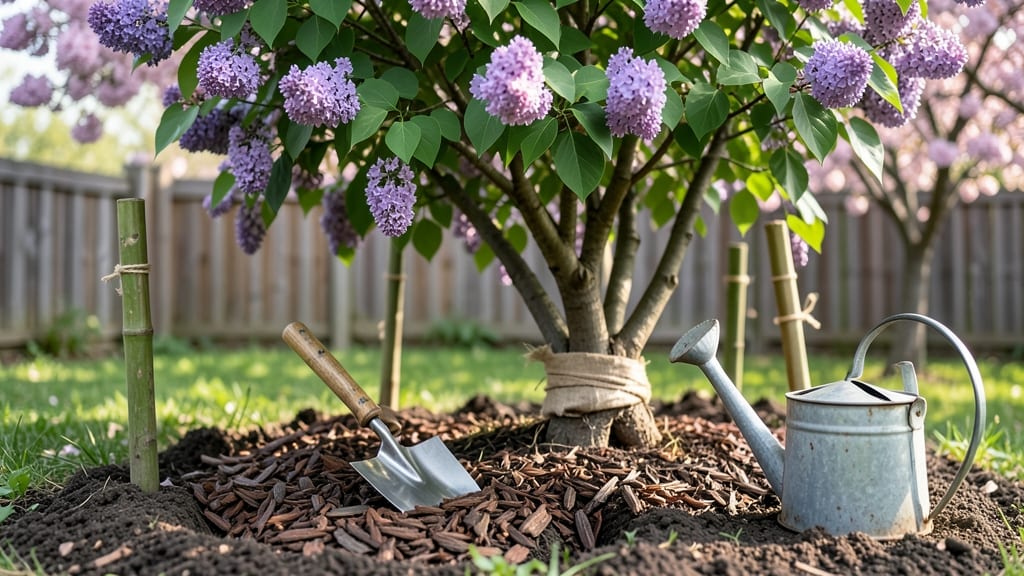
Replanting your lilac tree can turn last year’s struggle into next season’s showstopper—if you do it right. 🌿 The dormant season is your window, and proper root care makes all the difference between a wilting transplant and a thriving bush.
I’ve replanted mine twice, and the second time, I finally cracked the code on soil prep and watering that kept it strong.
Start by digging a hole twice as wide as the root ball but no deeper—lilacs hate being buried too deep. Amend the native soil with compost to loosen it up, and avoid fertilizing right away; fresh roots need energy, not extra nutrients.
The spacing matters too: give mature lilacs 6-10 feet between plants for airflow and sunlight.
Water deeply right after replanting, then keep the soil consistently moist for the first 4-6 weeks—no soggy roots, no drought stress. A good soaker hose or mulch ring helps maintain even moisture without the risk of rot.
By spring, you’ll see new shoots pushing through, and within a year, your lilac will reward you with those fragrant blooms.
Common mistakes? Over-trimming roots or replanting in summer heat. Lilacs are tough but not invincible—patience and the right conditions are key. With this method, my replanted lilac now blooms heavier than ever. Let’s get yours thriving too!
📚 In This Guide
- What you need
- Instructions
- Tips and common mistakes
- Wrapping up and next steps
What you need
- ● Lilac tree sapling or bare-root plant: Choose a healthy, disease-free specimen (1-3 years old for best results).
- ● Shovel or digging spade: Medium to large size (18-24 inches wide) for digging the hole.
- ● Garden trowel: For refining the planting hole and backfilling soil.
- ● Pruning shears (sterilized): Sharp, clean pair for trimming damaged roots or stems.
- ● Compost or well-aged manure: 5-10 gallons (mix 1 part compost to 3 parts native soil).
- ● Native soil or topsoil: 2-3 cubic feet (avoid heavy clay or sandy soil unless amended).
- ● Mulch (wood chips, bark, or straw): 2-3 inches thick (avoid fresh mulch—it can burn roots!).
- ● Watering can or hose with gentle spray nozzle: For thorough hydration.
- ○ Garden hose (optional but helpful): For soaking the root ball before planting.
- ○ Staking supplies (optional but recommended for young trees): 2-3 wooden stakes (1-2 inches wide, 4-6 feet tall).
- ● Soft tree tie or garden twine.
- ● Root stimulator: A powder or liquid to encourage root growth (follow label instructions).
- ● Soil pH tester: Lilacs prefer slightly alkaline soil (pH 6.0-7.0).
- ● Fertilizer (low-phosphorus, high-nitrogen): 10-10-10 or similar (apply sparingly—lilacs are light feeders!).
- ● Epsom salt (magnesium sulfate): 1 tablespoon dissolved in water for a post-planting boost.
- ● Planting grid or level: Ensures the tree is planted at the correct depth.
Step-by-Step guide to replanting a lilac tree
Here's how to give your lilac a fresh start with minimal stress and maximum root recovery.
🪴 Step 1: Prepare the New Planting Location
Choose a spot with 6-8 hours of sunlight and well-draining soil—lilacs hate soggy roots. Test drainage by digging a 12-inch deep hole and filling it with water; if it doesn’t drain within 2 hours, amend the soil with 2-3 inches of compost or sand. I always mark the north side of the hole with a stake to ensure proper orientation later.
Dig the hole twice as wide as the lilac’s root ball but no deeper—this encourages roots to spread horizontally where they’ll find nutrients. Loosen the sides of the hole with a shovel to prevent compaction when you replant. The ideal replanting time is early spring or fall, when temperatures are mild and the tree isn’t stressed by heat or cold.
🌱 Step 2: Carefully Remove and Inspect the Lilac
Water the lilac 24 hours before replanting to reduce root damage during removal. Dig a 12-inch radius around the base, cutting roots with a sharp shovel if needed. Lift the tree gently by its root ball, supporting the trunk with one hand to avoid snapping branches. Shake off old soil and inspect the roots—healthy roots are white or light tan; dark, mushy roots signal rot and should be trimmed away.
If the root ball is tightly bound, use your fingers or a small trowel to loosen the outer 1-2 inches of roots. This encourages new root growth outward rather than circling the root ball. Wrap the root ball in a burlap sack (if not already present) to protect it during transport to the new location. Real talk: If you see any broken stems, prune them back to a healthy bud immediately—they’ll only drain energy from root recovery.
⏰ Step 3: Replant with Proper Support and Watering
Place the lilac in the hole so the top of the root ball sits 1-2 inches above ground level—this prevents water from pooling at the trunk. Backfill with the native soil you removed, tamping lightly every 2 inches to eliminate air pockets. Water deeply (5 gallons) to settle the soil, then add a 2-inch layer of mulch (keeping it 6 inches away from the trunk) to retain moisture and regulate temperature.
Stake the lilac only if it’s taller than 6 feet or top-heavy; use two stakes on opposite sides, tied loosely with soft fabric strips to avoid girdling the trunk. Water every 2-3 days for the first 4 weeks, then taper to once a week once new growth appears. The key is consistency—lilacs need steady moisture to revive roots without drowning them.
☀️ Step 4: Prune and Protect for Recovery
Wait 2-3 weeks before pruning, giving the tree time to establish new roots. If you must prune, remove only dead or crossing branches, cutting just above a healthy outward-facing bud. Avoid heavy pruning—this stresses the tree and competes with root recovery. I like to prune in early spring after the lilac blooms, but replanting takes priority over flowering this year.
Protect the replanted lilac from direct afternoon sun for the first 2 weeks by providing light shade (like a sheer cloth) if temperatures exceed 85°F. Monitor for wilting or yellowing leaves—these are signs of transplant shock. If you see them, water deeply and check that the soil isn’t compacted around the roots. Lilacs are tough, but they need patience to bounce back strong.
Tips & tricks for perfect lilac tree replanting
Took me years to figure out these little details that make all the difference when replanting lilacs—don't skip them!
Soil Prep Secret: That 2-hour drainage test in Step 1 is non-negotiable. If water sits longer than 2 hours, your lilac will suffocate. I've seen people skip this and end up with root rot within months. For extra insurance, mix in 1 part perlite to 3 parts compost when amending heavy clay soil—it creates perfect air pockets for roots. The wider hole (twice as wide as the root ball) isn't just about space—it prevents the roots from circling, which is a common issue with replanted lilacs.
Root Handling Technique: When loosening those outer 1-2 inches of roots in Step 2, think of it like untangling headphones—you're creating space for new growth. I use my fingers more than tools because I've seen shovels slice through fine roots. Pro tip: If you notice any roots growing inward (they'll look like little rings), gently tease them outward with a chopstick. This simple step can double your tree's recovery rate.
Watering Wisdom: Those first 5 gallons in Step 3 should go in slowly—aim for a steady stream so water penetrates deep. I use a garden hose with a slow setting and let it run for 10-15 minutes in one spot. The mulch layer isn't just decoration—it's your moisture regulator. Keep it 2 inches thick but maintain that 6-inch clearance from the trunk to prevent rot. And here's what nobody tells you: If your soil feels dry 2 inches down after watering, you're not watering enough.
Recovery Timeline: The 2-3 weeks pruning wait in Step 4 is crucial—this gives roots time to establish before the tree diverts energy to new growth. I've seen people prune too soon and end up with weak branches that snap in wind. For the first 2 weeks of shade protection, I use a lightweight shade cloth (50% block) tied loosely to stakes—it diffuses light without suffocating the tree. Watch for those leaves turning yellow; that's your tree's SOS signal for compacted soil or overwatering.
Pro Tips for Lilac Tree Replant
- Took me years to figure out these little details that make all the difference when replanting lilacs—don't skip them!
- Soil Prep Secret: That 2-hour drainage test in Step 1 is non-negotiable.
- Root Handling Technique: When loosening those outer 1-2 inches of roots in Step 2, think of it like untangling headphones—you're creating space for new growth.
Frequently asked questions
Got questions about replanting your lilac tree? You’re not alone!
Here are some of the most common concerns—and straightforward answers—to help you revive your lilac with confidence.
When is the best time to replant a lilac tree?
Replant your lilac in early spring (just before buds swell) or fall (4–6 weeks before frost). Avoid extreme heat or cold—these times stress roots. Spring replanting gives lilacs time to establish before summer’s heat, while fall allows roots to settle before winter dormancy. Pro tip: If replanting in summer, water deeply every 2–3 days to prevent shock.
How do I prepare the new planting hole for my lilac?
The hole should be twice as wide as the root ball but only as deep. Loosen the soil at the bottom to encourage root spread. Mix native soil with compost or aged manure (1:1 ratio) for nutrients. Avoid amended soil—lilacs thrive in well-draining, slightly acidic soil (pH 6.0–7.0). Warning: Never add fertilizer at planting; it burns tender roots.
Can I replant a lilac with bare roots, or should I keep the root ball?
Both work, but root-ball transplants (with soil intact) have a higher survival rate because roots stay moist and undisturbed. Bare-root lilacs need immediate replanting (soak roots in water for 1–2 hours first). If buying potted lilacs, remove the container and tease roots gently if circling the root ball. Pro tip: Trim any broken roots with clean pruners.
My lilac leaves are wilting after replanting—what went wrong?
Wilting often signals root stress or overwatering. Check these fixes:
- Watering: Water deeply once a week (more in extreme heat) but avoid soggy soil.
- Sun exposure: Lilacs need full sun (6+ hours/day)—move if shaded by new growth.
- Soil compaction: Gently loosen soil around the base if roots can’t breathe.
Are there alternatives if my lilac won’t survive replanting?
If your lilac struggles, consider hardier alternatives like:
- Dwarf lilacs (e.g., ‘Miss Kim’)—compact, low-maintenance, and cold-tolerant.
- Butterfly bush (Buddleia)—drought-resistant and attracts pollinators.
- Mock orange (Philadelphus)—fragrant, disease-resistant, and thrives in partial shade.
Wrapping up and next steps
Replanting your lilac tree is a rewarding way to ensure it thrives for seasons to come! 🌱 By carefully preparing the soil, trimming roots, and choosing the right location, you’re giving your tree the best chance to flourish.
Remember—patience and proper care will pay off with vibrant blooms and lush foliage.
Now that you’re equipped with the know-how, take the next step—mark your calendar for the ideal replanting window and gather your tools. Whether you’re a seasoned gardener or a beginner, your lilac will thank you for the love and effort! 🌸