
Pruning
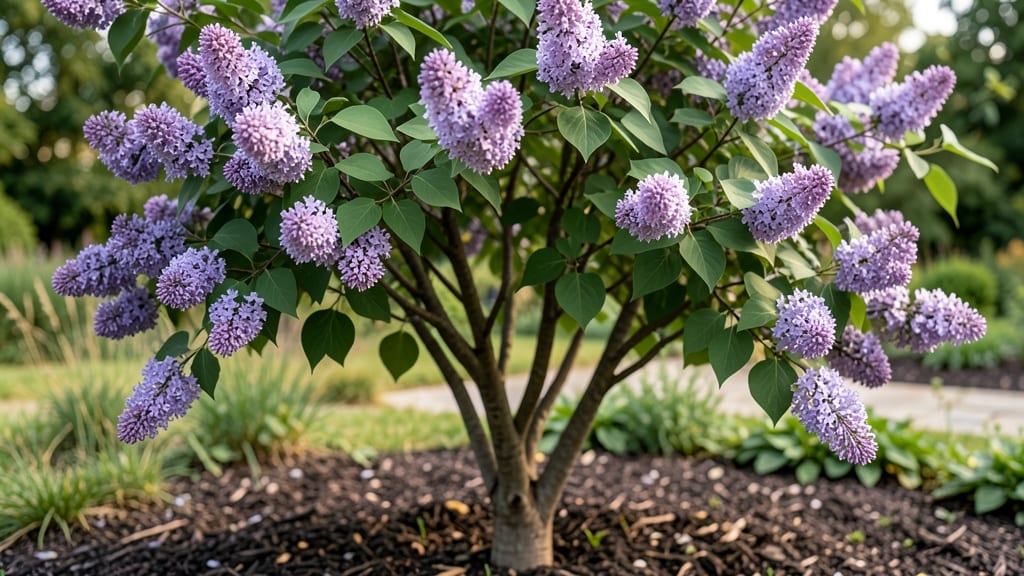
Ohio’s spring air becomes irresistible when the lilac tree bursts into bloom—those fragrant purple clouds that turn every yard into a perfume factory. 🌸 I’ve learned the hard way that pruning these hardy shrubs isn’t just about shaping; it’s about unlocking their full potential for years of showstopping fragrance and lush foliage.
The key? A strategic year-round approach that works with Ohio’s unpredictable climate, from our humid summers to early frosts.
Plant lilacs in well-draining soil with full sun (they’ll tolerate partial shade but bloom less). Ohio’s Zone 5-6 climate means timing matters: prune immediately after flowering in early summer, then again lightly in late winter to remove dead wood.
Most gardeners skip the winter pruning, but that’s when you set up next year’s blooms—cutting back just before buds swell gives you that classic tiered shape while encouraging stronger growth.
By mid-summer, you’ll see why this works: your lilac will be covered in buds for next spring, with fewer pests (like borers) and better air circulation. The secret’s in the timing—prune too early and you lose flowers; too late and you risk winter damage.
I’ve had lilacs last 15+ years with this method, their scent still filling my yard by Memorial Day.
Ohio gardeners know these trees thrive with minimal fuss, but the pruning details make all the difference. Whether you’re dealing with an established shrub or a new transplant, these steps keep your lilac healthy, fragrant, and looking its best through every season.
📚 In This Guide
- What you need
- Instructions
- Tips and common mistakes
- Wrapping up and next steps
What you need
- ● Pruning shears: Bypass pruners (sharp, 6–8” blades) for clean cuts on small branches.
- ● Loppers: Bypass or anvil (18–24” handles) for thicker branches (½–2” diameter).
- ● Pruning saw: Curved-tooth for stubborn, woody stems (2–4” diameter).
- ● Gloves: Heavy-duty, cut-resistant (gardening or pruning-specific) to protect from thorns.
- ● Disinfectant: 70% isopropyl alcohol or rubbing alcohol (1–2 oz) to sterilize tools between cuts.
- ● Rag or paper towels: For wiping tools clean.
- ● Trash bags: Heavy-duty (2–3) for debris (lilacs produce lots of clippings!).
- ● Ladder: Sturdy, extendable (10–15’ height) for high branches (if needed).
- ● Hand pruners: Compact bypass for precision trimming.
- ● Pole saw: For very high branches (20’+).
- ○ Pruning sealant: Optional (e.g., tree paint) for large cuts (½”+ diameter) to prevent disease.
- ● Notebook & pen: To sketch your lilac’s shape or track pruning notes.
- ● Mulch: Shredded bark or pine straw (2–3 bags) to refresh the base after pruning.
- ● Know your lilac’s age: Young trees (1–3 years) need minimal pruning; mature trees (4+ years) benefit from rejuvenation cuts.
- ● Check the forecast: Prune on a dry, cool day (avoid rain for 24 hours post-pruning).
- ● Gather safety gear: Sunglasses (to shield from debris) and closed-toe shoes.
- ● Study your lilac’s growth: Identify dead, crossing, or overcrowded branches before starting.
Step-by-step guide to pruning lilac trees in Ohio
Ohio’s climate demands smart pruning to keep lilacs blooming strong year after year.
✂️ Step 1: Prune Immediately After Flowering
Timing is everything with lilacs—wait until 2-4 weeks after blooms fade to prune. This ensures you don’t cut off next year’s flower buds, which form on old wood. I always mark the blooming cycle on my calendar so I never miss the window.
Remove any dead, diseased, or crossing branches first. Cut back to the nearest outward-facing bud or branch collar to encourage outward growth. Use sharp, clean pruners to make smooth cuts—ragged edges invite pests and disease. You’ll see a cleaner structure almost immediately, with more air circulating through the canopy.
✂️ Step 2: Lightly Shape in Late Summer
About 6-8 weeks after flowering, give your lilac a light shaping trim. This is when new growth begins, but buds for next year’s blooms haven’t formed yet. Focus on thinning out crowded branches to improve airflow—this prevents fungal issues that thrive in damp, shaded wood.
Never remove more than 20-30% of the plant’s total growth in one season. I like to step back and look at the tree from all sides to spot any branches that disrupt the natural shape. Cut just above a leaf node or bud, angled slightly downward to keep water from pooling.
✂️ Step 3: Rejuvenate Older Trees in Early Spring
If your lilac is over 10 years old and blooming poorly, it’s time for a rejuvenation cut. Do this in early spring, before buds swell but before leaves emerge. Cut back ⅓ to ½ of the oldest stems to the ground—this stimulates vigorous new growth from the base.
Don’t panic if the tree looks bare afterward. Lilacs are tough—they’ll send up fresh shoots within weeks. I’ve seen 20-year-old lilacs bounce back completely after this treatment. Water deeply after pruning to help the tree recover faster, especially in Ohio’s dry summers.
✂️ Step 4: Clean Up Year-Round Maintenance
Remove any suckers or water sprouts as soon as you spot them—these drain energy from the main plant. I check my lilacs every 4-6 weeks during growing season to stay ahead of these pests. Also, rake up fallen leaves and debris around the base to prevent fungal buildup over winter.
In late winter, before buds swell, do a final inspection for any dead or weak branches. A little maintenance now means fewer surprises later. Ohio’s changing seasons can stress trees, so consistent care keeps lilacs thriving for decades.
Tips & tricks for pruning lilac trees in Ohio
Ohio’s lilacs reward careful pruning with years of fragrant blooms—here’s how to avoid common mistakes and get the best results.
Timing is everything: The 2-4 week window after blooms fade is critical because lilac buds form on old wood. I’ve learned the hard way—pruning too early cuts off next year’s flowers! Mark your calendar for when your lilacs finish blooming, then count those weeks. If you miss it, wait until late summer for light shaping instead.
The right cut makes all the difference: Always cut just above an outward-facing bud or branch collar—never leave stubs. I use a sharp pruner and make clean cuts at a 45-degree angle to prevent water pooling. For thicker branches, make a second cut slightly above the first to avoid tearing. This technique keeps your lilac healthy and encourages new growth in the right direction.
Don’t overdo it in one season: The 20-30% growth limit in Step 2 prevents shocking the plant. I’ve seen lilacs stressed beyond recovery when people cut too aggressively. Focus on removing dead wood and thinning crowded branches—this improves airflow and reduces fungal risks. A little patience now means bigger blooms later.
Rejuvenation cuts work wonders: For older lilacs over 10 years, cutting back ⅓ to ½ of the oldest stems in early spring stimulates dramatic new growth. I’ve revived 20-year-old lilacs that looked spent—just be patient. Water deeply after pruning to help the tree recover, especially during Ohio’s dry summers. The results are worth the wait!
Pro Tips for Lilac Tree Ohio
- Ohio’s lilacs reward careful pruning with years of fragrant blooms—here’s how to avoid common mistakes and get the best results.
- Timing is everything: The 2-4 week window after blooms fade is critical because lilac buds form on old wood.
- The right cut makes all the difference: Always cut just above an outward-facing bud or branch collar—never leave stubs.
Frequently asked questions
Got questions about growing and pruning lilac trees in Ohio?
Here are some of the most common ones—plus expert answers to help your fragrant canopy thrive year-round!
When is the best time to prune lilacs in Ohio?
Prune your lilac tree right after flowering (late May to early June) to avoid cutting off next year’s blooms. Never prune in fall or winter—this can stimulate late-season growth that’s vulnerable to cold damage. Ohio’s climate means timing is key!
How much can I trim back a mature lilac tree?
For mature lilacs, never remove more than 1/3 of the plant in a single year. Focus on shaping by trimming back old wood (3–4 years old) to encourage new growth. Use sharp pruners to make clean cuts just above a bud or branch collar.
Why aren’t my lilacs blooming this year?
Lilacs bloom on old wood, so over-pruning (especially in late summer/fall) can stunt flowers. Check for:
- Dead or diseased branches (remove them immediately).
- Insufficient sunlight (lilacs need 6+ hours daily).
- Poor soil drainage (amend with compost if needed).
Can I grow lilacs in containers in Ohio?
Yes! Dwarf varieties like ‘Miss Kim’ thrive in containers (15+ gallon pots). Use well-draining soil and move pots to a sunny spot in summer. Winter care: Insulate with burlap or move to a sheltered area if temps drop below 10°F.
Are there lilac alternatives for Ohio with less maintenance?
If lilacs feel high-maintenance, try:
- Butterfly bush (Buddleia) – Drought-tolerant, attracts pollinators.
- Weigela – Blooms on new wood (easier pruning).
- Deutzia – Low-maintenance, fragrant white flowers.
Pro Tip:
Label your lilac branches with colored flags (e.g., red for “cut next year,” green for “leave”). This helps track which stems to prune for healthier blooms—no guesswork!
Wrapping up and next steps
Your Ohio lilac tree is now primed for a fragrant, thriving canopy year-round! 🌸 By mastering seasonal pruning—from late winter to early summer—and using the right tools, you’ll reward yourself with stunning blooms and lush foliage for decades.
Remember, patience and consistency are key: a little care now means big rewards later.
Ready to transform your yard? Grab your pruners and schedule your next pruning session—your lilac’s future starts with one well-timed cut. Happy gardening! 🌿