
Pruning
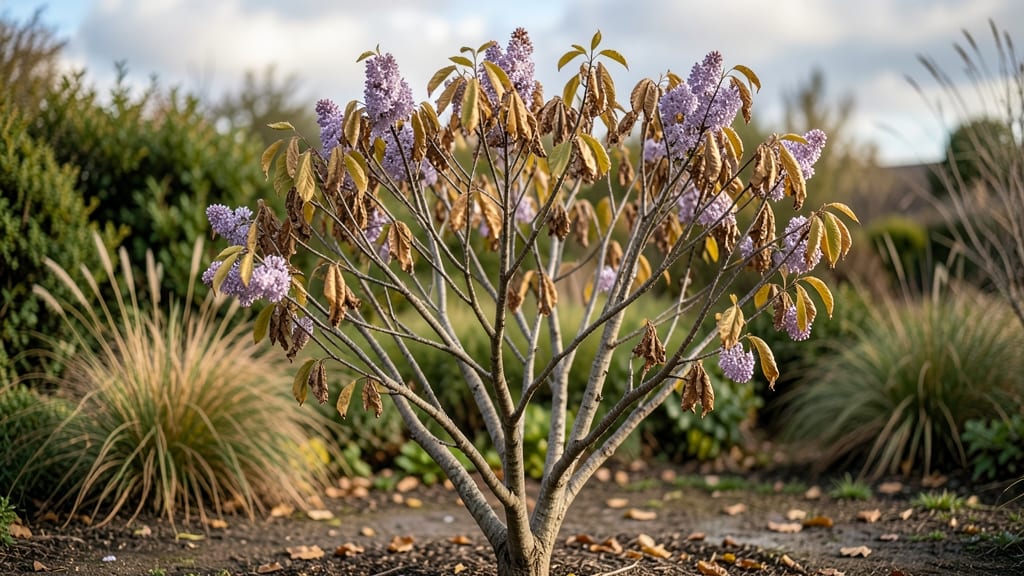
The lilac tree in autumn is sending its golden leaves as a signal—it’s time to prune for next spring’s showstopper blooms. ✂️ I’ve learned the hard way—skipping this step means fewer flowers and leggy branches by summer.
The key is timing: prune after blooms fade but before hard frost, when pests are less active and the tree stores energy for new growth.
Start by removing dead or crossing branches first—these compete for nutrients. Then cut back last year’s growth by about ⅓ to encourage bushier blooms. Think of it like giving your lilac a fresh haircut: shorter layers mean more energy for flowers, not just leaves.
A sharp pair of pruners and a sunny afternoon are all you need.
What you’ll get is a tree that bursts into color in spring, with blooms so dense they’ll make neighbors ask for cuttings. The foliage stays healthier too, resisting winter damage better than unpruned branches. Just avoid heavy pruning—this isn’t about drastic changes, but refining the shape for next season’s glory.
Works for both old lilacs and new plantings, though mature trees might need a second light trim in early spring. The best part? You’ll notice the difference in just a few months—no waiting years for results. Let’s get those blooms ready!
📚 In This Guide
- What you need
- Instructions
- Tips and common mistakes
- Wrapping up and next steps
What you need
- ● Pruning shears: Sharp, bypass-style shears (for small branches, 4–6 inches in diameter). Quantity: 1 pair.
- ● Loppers: Long-handled, bypass or anvil-type (for medium branches, 6–2 inches in diameter). Quantity: 1 pair.
- ● Pruning saw: Bow or folding saw (for thick branches, 2+ inches in diameter). Quantity: 1.
- ● Gloves: Heavy-duty, cut-resistant (to protect hands from thorns and rough bark). Quantity: 1 pair.
- ● Disinfectant: 70% isopropyl alcohol or diluted bleach solution (to sterilize tools between cuts). Quantity: Small bottle or spray.
- ● Rags or paper towels: For wiping tools clean.
- ● Ladder or step stool: Sturdy and tall enough to reach the tree’s canopy safely. Height: Adjustable or 6+ feet.
- ● Trash bags or bucket: For collecting pruned branches and debris. Size: Large enough to hold 5+ gallons.
- ● Hand pruners with a long reach: Extendable shears for high branches without a ladder.
- ● Safety goggles: To shield eyes from debris.
- ● Marking twine or flags: For tagging branches to prune later (if working in stages).
- ○ Tree wound dressing: Controversial but optional for large cuts (consult local experts first!).
- ● Camera or phone: To document the tree’s structure before and after pruning.
Step-by-step instructions for autumn lilac tree pruning
Here’s how to refresh your lilac for next spring’s showiest blooms—without sacrificing its health.
✂️ Step 1: Time Your Pruning for Late Autumn
Prune after leaves drop but before hard frost, ideally in November. This timing lets the tree heal before winter dormancy while avoiding early cold snaps that stress fresh cuts. Look for brown leaves clinging to branches—this signals the tree has entered its dormant phase.
Wait until temperatures stay below 40°F at night for at least a week. Pruning too early can trigger new growth that won’t survive frost, while waiting too late risks winter dieback. A light frost on the ground confirms the tree’s readiness.
✂️ Step 2: Remove Dead or Weak Wood First
Start by cutting out dead branches—they’re easy to spot as they’re gray, brittle, or missing leaves. Use clean, sharp pruners to make cuts at the branch collar (the swollen area where the branch meets the trunk). Never leave stubs; this prevents disease entry.
Next, remove weak or crossing branches that rub against others. These create wounds and compete for energy. Focus on branches thinner than a pencil—they won’t contribute much to next year’s blooms. Toss these in the yard waste; composting them risks spreading disease.
✂️ Step 3: Thin the Canopy for Airflow
Step back and visualize the tree’s shape. Lilacs bloom on old wood, so avoid heavy cutting—just lightly thin the center to let sunlight and air reach inner branches. Remove 10-20% of the total branches, focusing on those growing inward or upward.
Make cuts just above an outward-facing bud or side branch. This encourages outward growth and prevents a dense, shaded center. You’ll see the tree’s natural vase shape emerge—this is your goal. Avoid cutting more than a third of the canopy in one season.
🪴 Step 4: Clean and Protect the Tree
After pruning, sterilize your tools with rubbing alcohol to prevent spreading disease. Remove all fallen leaves and debris from the base—this reduces overwintering pests. Apply a 2-inch layer of mulch (like shredded bark) around the tree, keeping it 6 inches away from the trunk.
Water deeply if autumn has been dry, but avoid overwatering. The tree should enter winter with moist but not soggy soil. A light frost on the mulch confirms it’s protected. This prep ensures the tree stores energy for vibrant spring blooms.
⏰ Step 5: Plan for Spring Maintenance
Mark your calendar for early spring, just as buds swell but before they open. This is when you’ll do light shaping cuts to encourage fuller blooms. Avoid heavy pruning now—it removes next year’s flowers, which form on last year’s growth.
Watch for suckers (shoots at the base) in spring—they drain energy from blooms. Remove them immediately. Your autumn cuts will pay off with denser, more abundant blooms next year. The key is patience and precision.
Tips & tricks for perfect autumn lilac pruning
These small adjustments will help you avoid common mistakes and maximize your lilac's spring performance.
Timing is Everything: I can't stress this enough—the November window is critical. If you prune too early (like October), you risk encouraging new growth that won't survive winter. If you wait until December, you might be too late for proper healing before frost. The key is that light frost on the ground—this confirms your tree is truly dormant and ready for pruning.
The Right Tools Make All the Difference: Using dull pruners can crush branches and create ragged cuts that invite disease. Invest in a good pair of bypass pruners—they make clean cuts at the branch collar without leaving stubs. And always sterilize your tools with rubbing alcohol between cuts, especially if you're working with multiple trees or branches.
Visualize the Final Shape: Before making any cuts in Step 3, step back and imagine your tree's natural vase shape. Lilacs bloom on old wood, so we're not removing growth that produces flowers—just opening up the center. Focus on creating an open center with branches spaced about 6-12 inches apart. This airflow prevents fungal issues and encourages stronger blooms.
Mulch Matters More Than You Think: That 2-inch layer of mulch isn't just decoration—it's protection. Apply it after pruning to insulate roots from temperature swings. Keep it 6 inches away from the trunk to prevent rot. In particularly dry autumns, this mulch layer also helps retain moisture while protecting against winter desiccation.
Pro Tips for Lilac Tree In Autumn
- These small adjustments will help you avoid common mistakes and maximize your lilac's spring performance.
- Timing is Everything: I can't stress this enough—the November window is critical.
- The Right Tools Make All the Difference: Using dull pruners can crush branches and create ragged cuts that invite disease.
Frequently asked questions
Got questions about pruning your lilac tree in autumn?
Here are the answers to some of the most common queries—so you can keep your tree healthy and blooming beautifully next spring!
When is the exact best time to prune lilacs in autumn?
The ideal window is right after flowering (late June to early July) for most lilacs, but if you missed it, late summer to early autumn (August-September) is the next best time. Avoid pruning after mid-September, as new growth won’t harden off before winter.
Can I prune lilacs in autumn if I’ve never done it before?
Autumn is a great time for beginner-friendly pruning—just focus on removing dead, diseased, or crossing branches first. Skip heavy shaping unless you’re confident. For first-timers, follow our layered-cut method to avoid over-pruning.
Will pruning lilacs in autumn kill them or stunt their spring blooms?
Not if done correctly! Lilacs bloom on old wood, so avoid cutting back more than 1/3 of the plant. Heavy autumn pruning can reduce next year’s flowers, but light trimming (like removing suckers or weak stems) keeps them thriving. Think of it as a spring prep, not a harsh cutback!
What if my lilac tree has no leaves in autumn—should I still prune?
Yes! Leafless lilacs are easier to prune because you can see the structure clearly. Focus on:
- Dead or damaged branches (they’ll be brittle or discolored).
- Water sprouts (fast-growing, weak stems).
- Crossing branches (rubbing can harm the tree).
Are there any lilac varieties that shouldn’t be pruned in autumn?
Most lilacs (like Syringa vulgaris) tolerate autumn pruning, but dwarf varieties (e.g., ‘Little Leaf’ or ‘Miss Canada’) may struggle with late-season cuts. If unsure, stick to light shaping or wait until early spring (before buds swell). Always research your specific cultivar!
What do I do if I accidentally over-pruned my lilac in autumn?
Don’t panic! If you’ve cut back more than 1/3 of the plant, it may take a year to recover. Focus on:
- Watering deeply (but not over-saturating).
- Avoiding fertilizers until spring (new growth needs energy).
- Protecting from late frosts if regrowth appears.
Wrapping up and next steps
Autumn is the perfect time to shape your lilac tree for a show-stopping spring bloom—and with the right layered pruning technique, you’re setting the stage for years of vibrant color!
Remember, patience and precision are key: focus on thinning out crowded branches, removing dead wood, and encouraging airflow to keep your tree thriving. Whether you’re a seasoned gardener or just starting, every careful cut brings you closer to that dreamy, fragrant spring display.
Ready to take the next step? Mark your calendar for late autumn or early winter—just before the first frost—and grab your tools. Your lilac’s future blooms will thank you! 🌸✂️