
Pruning
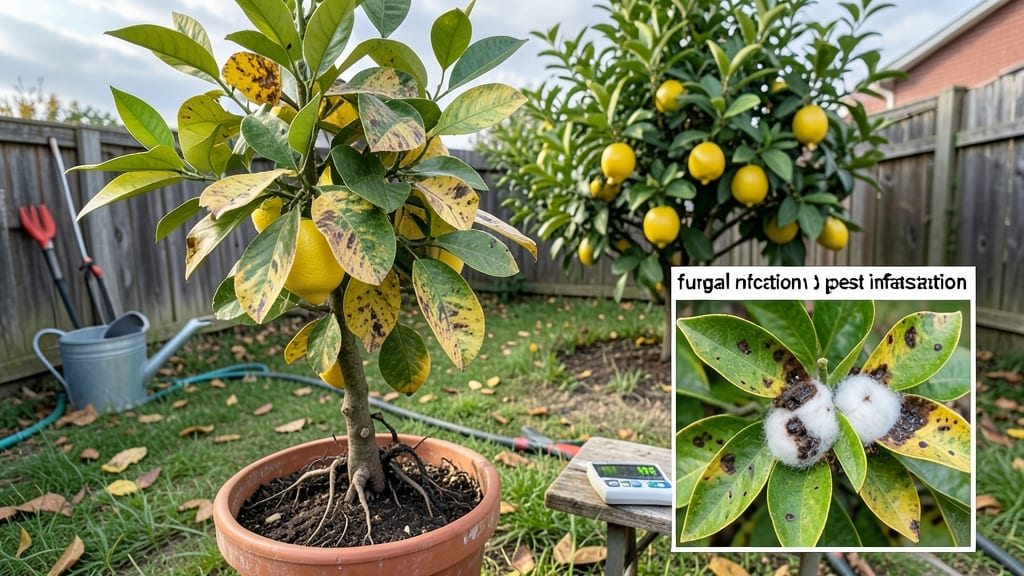
Your sick lemon tree’s drooping leaves might be fixable in just 3 days—if you catch the problem early. 🌿 I’ve nursed back more than my share of struggling citrus trees, and the key is knowing what’s wrong before it’s too late.
Yellowing leaves, crispy edges, or sticky sap? Each symptom points to a different fix, and acting fast means the difference between a comeback and a write-off.
Most sick lemon trees fall into three categories: water stress (over or under), pests (like spider mites or scale), or nutrient issues (too much salt or not enough iron). The good news?
Each has a targeted solution—whether it’s adjusting your watering routine, spraying neem oil, or flushing the soil with plain water. I’ll walk you through how to diagnose the exact problem and revive your tree before it’s too late.
By the end, you’ll have a clear plan to bring your lemon tree back to life—no guesswork. Think lush green leaves, fragrant blooms, and juicy fruit again. The secret? Acting now, not waiting until the branches are bare. Let’s get your tree thriving in record time.
This works for both potted and in-ground lemon trees, whether you’re dealing with a young sapling or a mature tree. The steps are simple but effective—no fancy tools or expensive treatments needed. Ready to save your citrus?
Root Causes Behind Ailing Trees
When your lemon tree starts showing signs of distress—yellowing leaves, wilting branches, or stunted growth—it’s often a cry for help from the roots up. Understanding the why behind these symptoms is the first step to reviving your tree.
Below, we break down the most common culprits, backed by science, so you can diagnose and act fast.
Lemon trees, like most citrus, are not fans of soggy roots. When soil stays too wet for too long, it suffocates the roots, cutting off oxygen and inviting fungal infections like root rot (caused by Phytophthora or Fusarium fungi).
- Signs: Yellowing leaves (especially lower ones), mushy roots, or a foul smell from the soil.
- Why it happens:
- Containers without drainage holes trap excess water, while heavy clay soil holds moisture like a sponge.
- Overzealous watering—especially in cooler weather—tricks the tree into thinking it’s drought-stricken when it’s actually drowning.
- Actionable fix:
- Check soil moisture by sticking your finger 2–3 inches deep; water only when dry.
- Amend heavy soil with perlite or sand to improve aeration.
- Repot in well-draining soil (a mix of potting soil, perlite, and compost works well).
While too much water is deadly, too little can scorch your lemon tree just as effectively. Heatwaves or neglectful watering cause physiological drought, where the tree can’t pull enough moisture from the soil, leading to leaf drop and crispy edges.
- Signs: Dry, brittle leaves, wilting even when watered, or leaves curling at the edges.
- Why it happens:
- Citrus trees need 1–1.5 inches of water per week (more in extreme heat). Shallow watering only wets the topsoil, leaving roots parched.
- Evaporative stress: Hot, dry winds or full-sun exposure without shade can dry out leaves faster than roots can replenish water.
- Actionable fix:
- Water deeply at the base (not overhead) in the early morning or late afternoon to reduce evaporation.
- Mulch with straw or wood chips to retain moisture and regulate soil temperature.
- Provide afternoon shade during heatwaves (a sheer curtain or temporary shade cloth helps).
Fungi and bacteria thrive in the perfect storm of warm, humid conditions and stressed trees. Common offenders include citrus canker (Xanthomonas bacteria), anthracnose (Colletotrichum fungus), and sooty mold (a secondary invader that feeds on honeydew from sap-sucking pests).
| Disease | Symptoms | Why It Starts |
|---|---|---|
| Citrus Canker | Raised, oozing lesions on leaves/stems; premature leaf drop. | Spread by wind, tools, or contaminated water. Thrives in humidity >80% and on wounded tissue. |
| Anthracnose | Dark, sunken spots on leaves/fruit; wilting flowers. | Loves wet foliage (e.g., overhead watering) and weak trees. |
| Root Rot | Yellowing leaves, stunted growth, roots that turn brown/mushy. | Caused by Phytophthora or Pythium in waterlogged soil. |
Actionable fix:
- Prune infected leaves/stems with sterilized tools (rubbing alcohol or bleach solution), then dispose of them in the trash (not compost).
- Apply copper fungicide (like Copper Sulfate) every 2–3 weeks during humid seasons.
- Improve air circulation by spacing plants 6+ feet apart and avoiding overhead watering.
Sap-sucking pests like aphids, scale insects, and spider mites weaken lemon trees by draining nutrients and leaving behind toxic waste (honeydew). This stress makes trees vulnerable to secondary infections like sooty mold.
- Signs:
- Aphids: Sticky residue (honeydew) on leaves; curled or yellowing leaves.
- Scale: Bumpy, brown/white shells on stems; wilting branches.
- Spider mites: Tiny webs on undersides of leaves; speckled, bronze-colored leaves.
- Why it happens:
- Pests target stressed trees (e.g., underwatered or over-fertilized).
- Dry conditions (low humidity) encourage spider mites, while humid environments favor aphids/scale.
- Actionable fix:
- Blast pests off with a strong spray of water (disrupts their life cycle).
- Use neem oil (1 tsp per quart of water) or insecticidal soap for mild infestations.
- Introduce beneficial insects like ladybugs or lacewings for natural control.
Lemon trees are heavy feeders, and imbalances in nutrients can mimic disease symptoms. The most common offenders:
| Nutrient | Deficiency Symptoms | Toxicity Symptoms | |||||||||||||||
|---|---|---|---|---|---|---|---|---|---|---|---|---|---|---|---|---|---|
| Nitrogen (N) | Yellowing lower leaves (chlorosis); stunted growth. | Excessive leafy growth (but weak, pale leaves); reduced fruit. | |||||||||||||||
| Iron (Fe) | Yellowing between veins (interveinal chlorosis); small leaves. | Rare, but can cause leaf scorch in high pH soils. | |||||||||||||||
| Zinc (Zn) | Stunted growth; small, distorted leaves. | Leaf cupping or necrosis (brown edges). |
| Symptom | Likely Cause | Solution |
|---|---|---|
| Yellow leaves (lower first) | Nitrogen deficiency | Apply a balanced fertilizer (10-10-10) or compost. |
| Pale green/yellow leaves | Iron deficiency | Spray with chelated iron or add iron sulfate to soil. |
| Purple stems/leaves | Phosphorus deficiency | Use a bone meal or phosphate fertilizer. |
| Brown leaf edges | Potassium deficiency | Feed with potassium-rich fertilizer (like banana peel tea). |
👨🍳 Pro Tips for Feeding
- Test your soil (pH 6.0–7.0 is ideal for citrus).
- Use organic matter (well-rotted compost or worm castings) to improve soil health.
- Avoid over-fertilizing—too much salt burns roots!
Lemon trees hate soggy roots but also need consistent moisture. Drooping or crispy leaves? You’re probably over- or underwatering.
🥘 Adjust Your Watering Routine
- Check the Soil 🌡️ - Stick your finger 2 inches into the soil. If it’s dry, water deeply.
If it’s damp, wait. - Overwatered? Let the top 3–4 inches dry out before watering again. - Underwatered? Give it a slow, deep drink (avoid shallow watering).
- Improve Drainage 🚿
- Ensure your pot has drainage holes and use a mix of potting soil + perlite/sand.
- If planting in ground, choose a well-draining spot (avoid clay-heavy soil).
- Mulch for Moisture Control 🌿
- Apply a 2-inch layer of mulch (straw or wood chips) around the base to retain moisture and regulate temperature.
⏰ Watering Schedule Cheat Sheet
- Potted lemon trees: Water every 7–10 days (less in winter).
- Outdoor trees: Water 1–2 times per week (more in heatwaves).
- Always water in the morning to reduce evaporation and fungal risk.
Aphids, spider mites, or scale insects can sap your tree’s strength, leading to wilting and yellowing leaves.
🔪 Pest Control Steps
- Blast Them Off 💦
- Spray leaves with a strong stream of water to dislodge pests.
- Use Insecticidal Soap 🧼
- Mix 1 tbsp mild soap + 1 quart water and spray directly on pests (test on a small area first).
- Introduce Beneficial Insects 🐞
- Ladybugs and lacewings eat aphids naturally—buy them online or attract them with companion plants like marigolds.
🎯 Prevention Tips
- Inspect new plants before bringing them home.
- Encourage natural predators (birds, frogs) by adding a small water feature.
- Avoid chemical pesticides—they harm beneficial insects too!
With these fixes, your lemon tree should start perking up within days! 🌟 Stay consistent with care, and soon you’ll be harvesting juicy lemons instead of diagnosing problems. Need a quick recap? Bookmark this guide for your next citrus rescue mission! 🚀
Frequently asked questions
Why are my lemon tree leaves turning yellow but staying green at the veins?
This classic symptom points to an iron deficiency, common in citrus trees. The yellowing between veins (interveinal chlorosis) happens when the tree can't absorb iron, often due to high soil pH or compacted soil. Try applying chelated iron or iron sulfate to the soil, and test your soil pH—lemon trees thrive in 6.0-7.0 pH range
Can I save my lemon tree if the roots look mushy and smell bad?
You might be dealing with root rot, a fungal disease that spreads fast. The good news is you can still save it if you act quickly! Prune away all mushy roots, repot in fresh well-draining soil mix (potting soil + perlite), and water only when the top 2 inches are dry. Keep the tree in bright, indirect light while it recovers.
What should I do if my lemon tree has tiny webs on the leaves?
Those webs are a dead giveaway for spider mites, which thrive in dry, dusty conditions. Start by wiping leaves with a damp cloth to remove webs and mites, then spray with neem oil solution (1 tsp per quart of water) every 5-7 days for 2 weeks. Increase humidity around the plant by misting nearby foliage or placing the pot on a tray of pebbles with water.
How often should I fertilize a sick lemon tree?
When your tree is recovering, less is more—over-fertilizing can burn roots. Start with a balanced citrus fertilizer (like 6-6-6) every 6-8 weeks during growing season (spring-fall). For nutrient deficiencies, use targeted supplements (like chelated iron) instead of general fertilizer. Always water thoroughly before and after fertilizing.
Can I use household items to treat my lemon tree's problems?
Yes! For pests, mix 1 tablespoon mild dish soap with 1 quart water and spray directly on affected areas (test on a small leaf first). For fungal issues, a baking soda solution (1 tsp baking soda + 1 quart water + few drops of oil) can help—but always follow up with proper fungicide for serious infections. Remember, these are temporary fixes for minor issues.